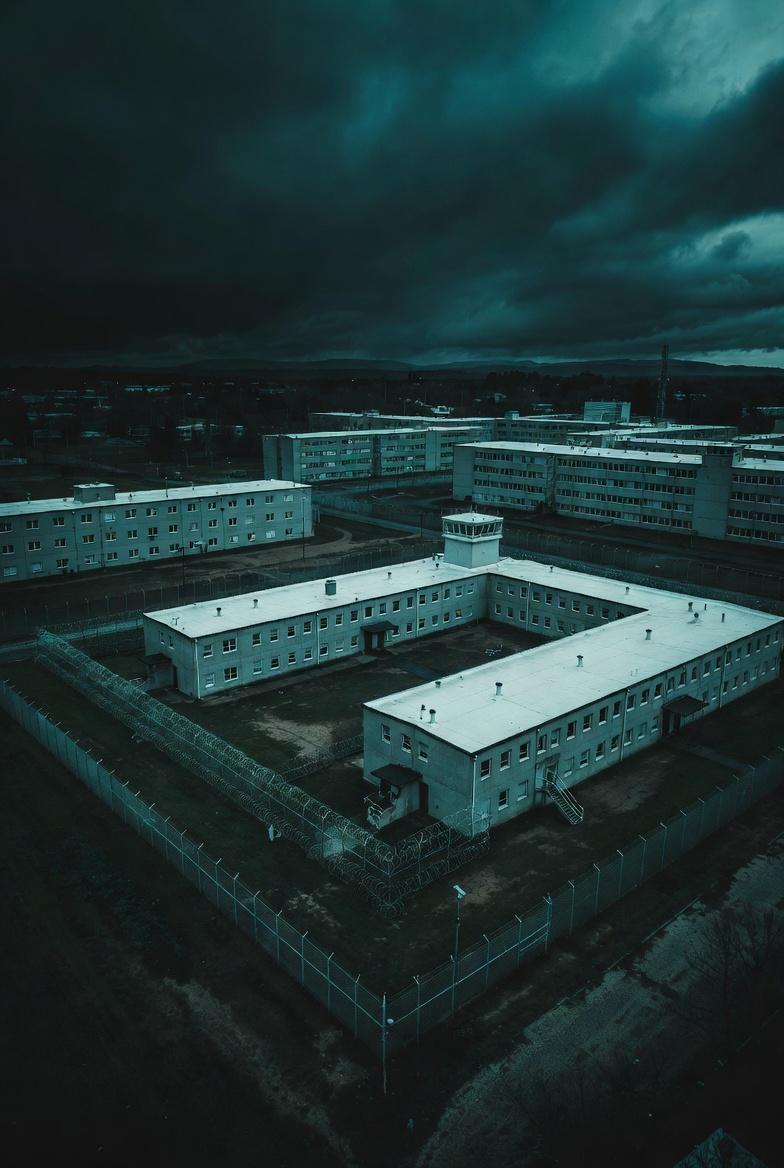
CDCR - Holton Conservation (Fire) Camp #16 is a medium-security facility located at 12653 North Little Tujunga Canyon Road in Sylmar, California, within Los Angeles County. Operated by the California Department of Corrections and Rehabilitation, this conservation camp houses male inmates who participate in the state's firefighting program. The facility sits in the rugged terrain of the San Gabriel Mountains foothills, providing an environment conducive to wildland firefighting training and conservation work.
Families seeking information about inmates at Holton Conservation Camp #16 can search records through official CDCR channels. Visitation policies differ from traditional prisons due to the camp's specialized nature. Loved ones can send money through approved vendors and maintain contact through mail correspondence. Understanding arrest records and booking details helps families navigate the system more effectively.
Holton Conservation Camp #16 distinguishes itself as part of California's unique conservation camp program, where carefully screened inmates train and serve as wildland firefighters. Located in Sylmar's mountainous terrain near Little Tujunga Canyon, this facility prepares inmates to respond to wildfires, floods, and other natural disasters throughout California. Unlike traditional correctional facilities with cell blocks and security fences, conservation camps feature dormitory-style housing and minimal perimeter security, reflecting the trust placed in participants. Inmates at Holton Camp #16 work alongside California Department of Forestry and Fire Protection (CAL FIRE) professionals, gaining valuable firefighting skills while reducing their sentences and contributing to public safety during California's increasingly severe fire seasons.
Holton Conservation Camp #16 houses a select population of male inmates who meet strict eligibility criteria for the conservation camp program. Participants must be minimum-security classified, demonstrate good behavior, have fewer than eight years remaining on their sentences, and possess acceptable physical fitness levels for demanding firefighting work. Violent offenders, sex offenders, and those with arson convictions are excluded from the program. Most inmates at conservation camps have been convicted of non-violent offenses including drug-related crimes, property crimes, and theft. All participants are sentenced inmates rather than pre-trial detainees, as the program requires commitment to completing firefighting training and emergency response duties throughout their placement at the camp.
Living conditions at Holton Conservation Camp #16 differ significantly from traditional correctional facilities. Inmates reside in open dormitory-style barracks rather than individual cells, reflecting the minimum-security nature of conservation camps. The environment emphasizes crew cohesion and teamwork essential for firefighting operations. Meals are served in a common dining area and must provide sufficient nutrition to support the physically demanding work required of firefighters. Recreation opportunities include outdoor activities suited to the mountain location, though time off is limited during fire season when crews may be deployed on short notice for emergency response.
Medical services address both routine healthcare needs and injuries that may occur during training or firefighting operations. Mental health support is available through CDCR programs. The camp maintains a grievance process allowing inmates to address concerns, though the collaborative atmosphere of conservation camps typically fosters more direct communication between inmates and staff than found in traditional prisons. Physical fitness is continuously monitored as it directly affects firefighting capability and inmate safety.
The primary program at Holton Conservation Camp #16 centers on wildland firefighting training and emergency response. Inmates receive comprehensive instruction in fire suppression techniques, hand crew operations, chainsaw use, and wilderness survival skills. They train to construct fire lines, conduct controlled burns, and respond to various natural disasters. Beyond firefighting, inmates participate in conservation work including trail maintenance, erosion control, and habitat restoration throughout California's public lands. Educational opportunities may include GED preparation for those without high school diplomas, though academic programs take secondary priority to the firefighting mission. Substance abuse programming helps participants address underlying addiction issues that often contributed to their incarceration. The camp experience itself serves as a powerful rehabilitative program, building discipline, teamwork, and marketable skills that support successful reentry into society upon release.
Work assignments at Holton Conservation Camp #16 focus almost entirely on firefighting and conservation activities rather than traditional prison industries. Inmates work in hand crews that deploy to wildfire incidents throughout California, often on short notice during fire season. When not actively fighting fires, crews perform essential conservation work including fuel reduction projects, clearing brush and dead vegetation that increases fire hazards, maintaining firebreaks, and improving forest health. Camp maintenance duties include food service, facility upkeep, and equipment maintenance to ensure readiness for emergency deployment. The physically demanding nature of this work requires inmates to maintain peak physical condition while developing skills valuable for post-release employment in firefighting, forestry, or related fields.
Conservation camps have been part of California's correctional landscape since the 1940s, when the state recognized that minimum-security inmates could contribute to wildfire suppression while benefiting from the rehabilitative aspects of outdoor work. Holton Conservation Camp #16, situated in the strategic Sylmar location near Los Angeles, has served this mission for decades, though specific founding dates for individual camps are often not publicly documented. The camp location in Little Tujunga Canyon provides quick access to the San Gabriel Mountains and surrounding areas prone to wildfires. Over the years, California has expanded and refined its conservation camp program, with facilities like Holton Camp #16 playing crucial roles during major fire emergencies affecting Southern California. Today, conservation camps remain vital to California's emergency response infrastructure, providing trained crews at significantly lower cost than conventional firefighting resources while offering inmates meaningful rehabilitation opportunities.
Visitation at Holton Conservation Camp #16 operates differently from traditional CDCR prisons due to the camp's conservation mission and potential for crew deployments during emergencies. Visitors must bring valid government-issued photo identification and should expect outdoor visiting areas reflecting the camp setting. Dress codes prohibit clothing resembling inmate attire or that is overly revealing. Prospective visitors must complete an approval process before their first visit, which includes background checks to ensure facility security. Families should contact the camp directly before traveling to confirm visitation schedules, as crews may be deployed fighting fires or performing emergency work, making inmates unavailable. Visitation policies may be more flexible than traditional prisons but remain subject to operational needs and the camp's primary firefighting mission.
Mail sent to inmates at Holton Conservation Camp #16 should be addressed with the inmate's full name, CDCR number, and the facility address: 12653 North Little Tujunga Canyon Road, Sylmar, CA 91342. All incoming mail is inspected according to CDCR regulations. Books and magazines must come directly from approved vendors or publishers rather than personal sources. Inmates can make phone calls through approved telephone accounts that families fund, though call availability may be limited during deployments or busy fire seasons. Families should check with CDCR regarding current policies on email or electronic messaging systems, as these services continue evolving within the correctional system. Maintaining regular contact helps support inmates through their camp experience and rehabilitation journey.
Sponsored and Powered by our Partner TruthFinder
Quick Facts
Should I Be Concerned? — Family Guide
CDCR - Holton Conservation (Fire) Camp #16 maintains a strong safety record with zero reported staff assaults and operates under medium security protocols designed for lower-risk inmates engaged in conservation work. The facility's focus on fire camp operations typically results in lower violence rates compared to traditional prisons. Visitors should expect standard security procedures, and contact the facility in advance to confirm current visiting policies and any access restrictions related to fire season operations.
Neighborhood & Getting There
Sylmar is located in the San Fernando Valley region of Los Angeles County, approximately 25 miles north of downtown Los Angeles. The facility sits in the foothills near the Angeles National Forest, about 45 minutes from major metro areas depending on traffic. The area is accessible via I-210 and local canyon roads. Nearby hotels and services are available in the San Fernando Valley communities of Mission Hills, Pacoima, and Sun Valley. The region experiences seasonal fire activity that impacts facility operations and visitor access during peak fire season.