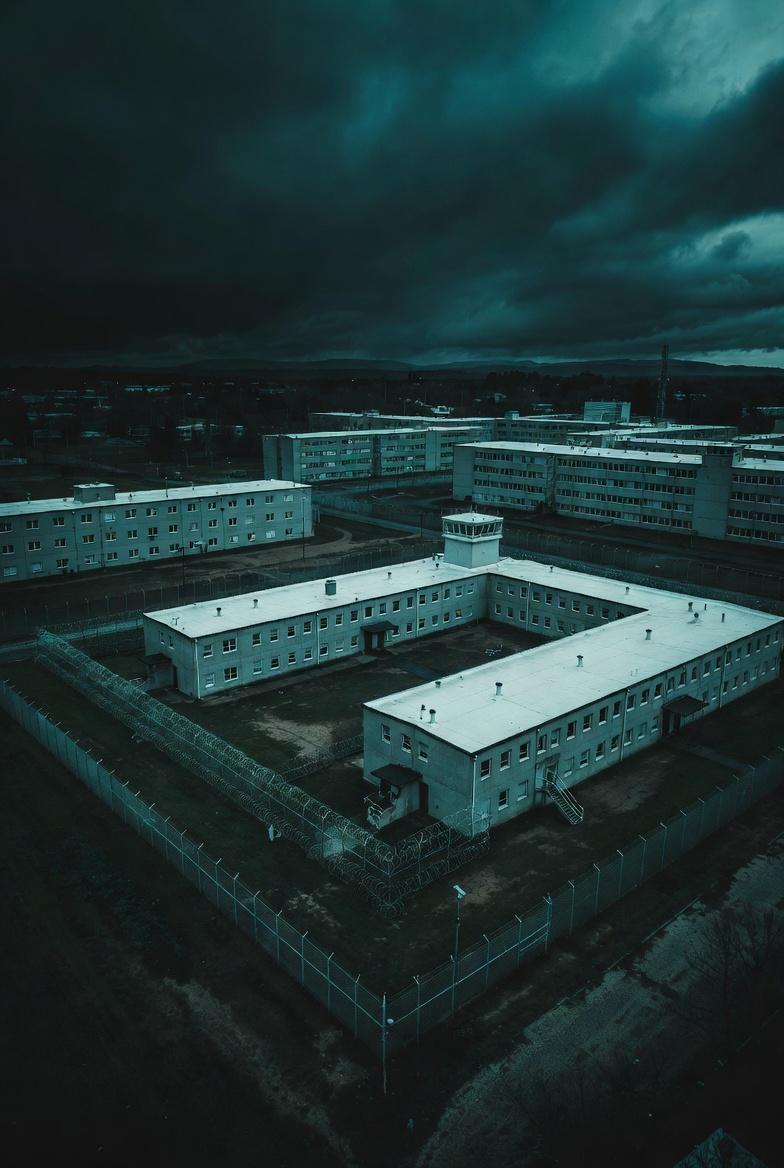
High Desert State Prison (HDSP) is a medium-security correctional facility for adult male offenders operated by the California Department of Corrections and Rehabilitation. Located at 475-750 Rice Canyon Road in Susanville, Lassen County, California, HDSP serves as one of several state prisons in the northeastern region of California. The facility maintains medium-security custody levels and houses inmates convicted of various felony offenses throughout the California state prison system.
Families seeking information about inmates at High Desert State Prison can use inmate search tools to locate their loved ones, verify custody status, and access arrest records. Visitors can send money through approved vendor services, schedule visits according to facility guidelines, and maintain contact through mail and phone systems established by CDCR for this Susanville facility.
High Desert State Prison's location in Susanville places it in California's rural northeastern corner, far from the state's major urban centers where most inmates originate. This geographic isolation in Lassen County creates significant travel challenges for families visiting from Southern California and the Bay Area, often requiring overnight stays and long-distance travel. The facility's position in a high-desert climate region subjects both staff and inmates to extreme temperature variations, with cold winters and warm summers characteristic of the area's elevation and geography. HDSP serves an important role in California's dispersed prison network, helping to distribute the inmate population across diverse geographic regions of the state.
High Desert State Prison houses adult male offenders classified at medium-security levels within the California Department of Corrections and Rehabilitation system. The inmate population consists of individuals convicted and sentenced for various felony offenses under California state law, including property crimes, drug offenses, violent crimes, and other serious violations. Inmates at HDSP have completed the reception and classification process at other CDCR facilities and have been transferred to Susanville based on custody level, program needs, security considerations, and bed space availability. The medium-security designation indicates inmates require more supervision than minimum-security populations but less intensive monitoring than maximum-security or high-risk offenders housed in other California facilities.
Inmates at High Desert State Prison are housed in medium-security dormitory-style or cell-based housing units depending on their specific custody classification and behavioral records. Daily routines include scheduled meal times in dining facilities, with food services meeting nutritional standards established by CDCR regulations. Recreation opportunities include outdoor exercise yards and indoor dayrooms where inmates can participate in physical activities during designated periods. Medical services are provided through on-site healthcare staff who address routine medical needs, chronic conditions, and emergency situations, with more serious cases referred to outside hospitals when necessary.
Mental health services are available for inmates requiring psychological support, counseling, or psychiatric treatment. The facility operates under CDCR's established grievance process, allowing inmates to formally address concerns about conditions, treatment, or administrative decisions through written appeals reviewed at multiple levels. Housing assignments consider factors including security classification, program participation, disciplinary history, and compatibility with other inmates to maintain institutional safety and order throughout the Susanville facility.
High Desert State Prison offers educational programs for inmates seeking to improve their academic credentials, including preparation for the General Educational Development (GED) certificate for those without high school diplomas. Vocational training opportunities provide inmates with marketable job skills in various trades to enhance employment prospects upon release. Substance abuse treatment programs address addiction issues through counseling, group therapy, and recovery-focused curricula designed to reduce recidivism related to drug and alcohol dependency. Religious services accommodate diverse faith traditions, with volunteer chaplains and community religious organizations providing worship opportunities, spiritual counseling, and faith-based programming. Re-entry preparation programs help inmates transition back to their communities by teaching practical life skills, job search techniques, and resources for housing and support services available after release from custody.
Inmates at High Desert State Prison participate in various work assignments that support facility operations and provide vocational experience. Inside job assignments include kitchen and food service positions, facility maintenance and janitorial duties, laundry operations, and clerical work supporting administrative functions. These institutional work assignments keep the prison functioning while teaching inmates work habits, responsibility, and time management skills. Depending on custody level and institutional needs, some inmates may qualify for work assignments outside the secure perimeter in supervised settings. Participation in work programs can affect inmate classification, earn credits toward sentence reduction, and provide minimal compensation deposited into inmate trust accounts at HDSP.
High Desert State Prison was established as part of California's significant prison expansion during the late twentieth century, when the state experienced dramatic increases in incarceration rates and needed additional bed space to house growing inmate populations. The facility was constructed in Susanville to provide correctional capacity in California's northeastern region, bringing employment opportunities to Lassen County's rural economy. Susanville and the surrounding area became home to multiple state correctional facilities, transforming the region into a significant hub for California's prison system.
Over the years since opening, High Desert State Prison has served as a medium-security institution housing thousands of California inmates transferred from reception centers and other facilities. The prison has experienced the operational challenges common to medium-security institutions, including managing diverse inmate populations, staffing needs, and evolving correctional standards. Today, HDSP continues fulfilling its role within CDCR's statewide correctional system, providing secure custody and programming for male offenders in northeastern California.
Visitation at High Desert State Prison requires advance approval through CDCR's visitor application process, which includes background checks for all potential visitors. Approved visitors must present valid government-issued photo identification upon arrival at the Susanville facility. Dress code requirements prohibit clothing that resembles inmate attire, revealing or sexually provocative garments, and items that could pose security concerns. Visitors should review CDCR's specific dress code guidelines before traveling to HDSP. Visitation scheduling follows the facility's established calendar, with different housing units assigned specific visiting days and times. Families should contact High Desert State Prison in advance to confirm current visitation procedures, verify their approval status, understand scheduling requirements, and learn about any temporary modifications to visiting policies.
Mail sent to inmates at High Desert State Prison must include the inmate's full legal name, CDCR identification number, and the correct mailing address: PO Box 3030, Susanville, CA 96127-3030. All incoming mail is inspected according to CDCR security protocols, and prohibited items will be rejected. Books, magazines, and educational materials must be shipped directly from approved vendors, publishers, or bookstores to comply with institutional security policies. Inmates can make outgoing phone calls to approved numbers through the facility's telephone system, which requires families to establish prepaid accounts with the contracted phone service provider. Families should verify current policies regarding electronic messaging or email services, as CDCR continues expanding digital communication options at various facilities including HDSP.
Sponsored and Powered by our Partner TruthFinder
Quick Facts
Should I Be Concerned? — Family Guide
HDSP's medium-security status and zero reported staff assaults indicate a relatively stable facility environment. With occupancy data unavailable, current conditions remain uncertain, but the absence of recent assault incidents suggests manageable operations. Visitors should expect standard security procedures including searches and identification verification; plan visits during designated windows and bring valid ID.
Neighborhood & Getting There
High Desert State Prison sits in rural Lassen County near Susanville, California, approximately 290 miles northeast of Sacramento and 350 miles from San Francisco. The area is remote, characterized by high desert terrain and limited urban amenities. Susanville (nearest town, 20+ miles) offers basic lodging and services along Highway 299/395 corridor. Visitors should prepare for long drives, fuel up before arriving, and check road conditions during winter months when mountain passes can close.