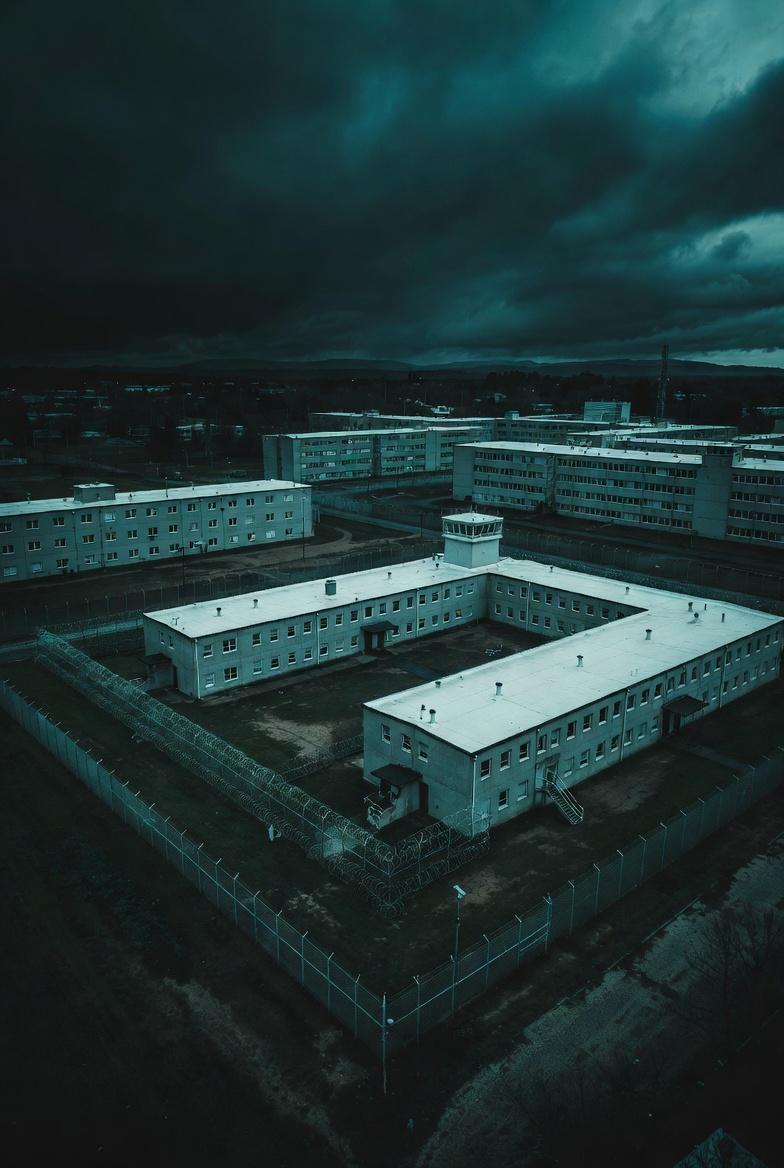
CDCR Gabilan Adult Conservation Fire Camp #38 is a medium-security facility located in Soledad, California, operated by the California Department of Corrections and Rehabilitation. This specialized conservation camp houses male inmates who participate in the state's fire response program. The camp sits in the remote terrain near Monterey County, positioning inmates to respond quickly to wildfires and other natural disasters throughout California. As part of the CDCR conservation camp system, Gabilan emphasizes physical fitness, teamwork, and public service.
Families seeking information about inmates at Gabilan Fire Camp #38 can use JailData's inmate search tools to locate their loved ones and access arrest records. Our resources help families understand how to send money, schedule visits, and maintain contact through mail correspondence with inmates participating in this unique firefighting program.
Gabilan Adult Conservation Fire Camp #38 stands apart as one of California's specialized conservation camps dedicated to training inmates as wildland firefighters. Unlike traditional correctional facilities, this camp focuses on preparing inmates for emergency response to wildfires, floods, and other natural disasters across California. Inmates participate in rigorous physical training and learn firefighting techniques under California Department of Forestry and Fire Protection supervision. The camp environment emphasizes outdoor work, discipline, and community service rather than traditional incarceration. Inmates assigned to Gabilan must meet specific criteria including minimum-security classification, physical fitness standards, and good institutional behavior. This assignment offers inmates opportunities for sentence reduction, skill development, and meaningful contribution to public safety during California's increasingly severe fire seasons.
Gabilan Fire Camp #38 houses male inmates who have been carefully selected from the broader CDCR population based on stringent criteria. Inmates assigned to conservation camps must be minimum or medium-security classifications with limited time remaining on their sentences. They cannot have convictions for certain violent offenses, arson, or sexual crimes. Most residents are sentenced inmates rather than pre-trial detainees, as the program requires stability and commitment. The population consists of individuals who have demonstrated good institutional behavior and meet physical fitness requirements necessary for demanding firefighting work. Ages typically range from young adults to middle-aged inmates capable of strenuous outdoor labor. This specialized population represents inmates motivated for rehabilitation through service, with many viewing their fire camp assignment as an opportunity for personal transformation and skill development before release.
Living conditions at Gabilan Fire Camp #38 differ significantly from traditional prison settings. Inmates reside in dormitory-style barracks rather than cells, reflecting the camp's emphasis on teamwork and communal responsibility. The remote location provides access to outdoor recreation and training areas essential for firefighting preparation. Meals are provided in a common dining area, with nutrition designed to support the physical demands of conservation work. Medical services are available on-site for routine care, with emergency and specialized treatment accessed through nearby facilities. Mental health support focuses on adjustment to the demanding camp environment and preparation for eventual release. The grievance process follows standard CDCR procedures, allowing inmates to address concerns through formal channels. Recreation opportunities include physical training, sports, and outdoor activities that build stamina for emergency response work. The overall environment emphasizes discipline, physical conditioning, and preparation for the unpredictable demands of wildfire season.
Programs at Gabilan Fire Camp #38 center on firefighting training and conservation work skills. Inmates receive extensive instruction in wildland firefighting techniques, including fire line construction, equipment operation, and safety protocols required for emergency response. Physical fitness training is mandatory, preparing inmates for the demanding conditions of active fire suppression. Educational opportunities include GED preparation for inmates lacking high school diplomas, though academic programs are secondary to the camp's primary firefighting mission. Vocational training focuses on forestry, emergency response, and heavy equipment operation skills transferable to civilian employment. Substance abuse programming addresses addiction issues that may have contributed to criminal behavior, with emphasis on maintaining sobriety in the structured camp environment. Religious services and counseling support spiritual development. Re-entry programs help inmates prepare for release by connecting firefighting experience with potential employment opportunities in fire services, forestry, and emergency management fields.
Work assignments at Gabilan Fire Camp #38 revolve around conservation projects and emergency response readiness. Inmates spend considerable time maintaining fire breaks, clearing brush, and conducting fuel reduction projects throughout California's wildlands. When wildfires occur, inmate fire crews deploy under professional firefighter supervision to construct fire lines and support suppression efforts. Camp maintenance assignments include kitchen duty, facilities upkeep, and grounds maintenance essential to daily operations. Inmates also participate in community service projects such as trail maintenance, erosion control, and habitat restoration in state and federal lands. Unlike traditional prison industries, work at Gabilan emphasizes outdoor labor, physical conditioning, and public service rather than manufacturing or commercial production. This work provides inmates with marketable skills while contributing significantly to California's fire prevention and emergency response infrastructure.
Gabilan Adult Conservation Fire Camp #38 was established as part of California's long-standing partnership between the Department of Corrections and the California Department of Forestry and Fire Protection. The conservation camp program dates back decades, arising from the need for additional firefighting resources during California's fire seasons and the recognition that inmates could provide valuable public service while developing job skills. Located in the rugged terrain near Soledad, Gabilan's remote position allows quick deployment to fires throughout central California. The camp has participated in responses to numerous major wildfires over the years, with inmate crews earning respect for their contributions under dangerous conditions. While specific construction dates and major incidents at Gabilan remain part of operational records, the camp continues its essential role in California's fire suppression strategy. Today, conservation camps like Gabilan face evolving challenges including more severe fire seasons and changing inmate populations, yet they remain vital components of the state's emergency response infrastructure.
Visitation at Gabilan Fire Camp #38 follows CDCR conservation camp policies, which typically differ from traditional prison visits due to the camp's remote location and operational demands. Visitors must complete an approval process before their first visit, including background checks through the CDCR visitor application system. Valid government-issued photo identification is required for all adult visitors. Dress codes prohibit clothing resembling inmate attire or overly revealing garments. Due to the camp's firefighting mission, visitation schedules may be limited or cancelled when crews are deployed to emergencies. The remote location requires careful planning for travel and timing. Families should call the facility well in advance to confirm visiting hours, verify their approval status, and ensure the inmate is present at camp rather than on assignment. Contact visits may be permitted in the more relaxed camp environment compared to higher-security facilities.
Families can contact inmates at Gabilan Fire Camp #38 through standard CDCR mail procedures. Correspondence should be addressed with the inmate's full name, CDCR number, and facility address: Route 1, Box 103, Soledad, CA 93960-0397. All incoming mail is inspected according to CDCR regulations. Books and publications must come directly from approved vendors to be accepted. Inmates can make outgoing phone calls through the facility's telephone system using prepaid telephone accounts that families can fund. Phone privileges depend on the inmate's behavior and the camp's operational schedule. Due to the camp's work demands and potential deployment during fire season, communication opportunities may be less frequent than at traditional facilities. Families should check current CDCR policies regarding electronic messaging systems that may be available for conservation camp populations.
Sponsored and Powered by our Partner TruthFinder
Quick Facts
Should I Be Concerned? — Family Guide
Gabilan Fire Camp #38 maintains a medium security classification with zero reported staff assaults, indicating a relatively stable facility environment. Conservation camps typically house lower-custody inmates engaged in productive work programs, which generally supports safer conditions. Visitors should expect standard security procedures and check current visiting policies before arrival, as fire camps may have scheduling variations due to fire season operational demands.
Neighborhood & Getting There
Located in Soledad, California, near Monterey County, Gabilan Fire Camp #38 sits in the rural Salinas Valley region approximately 100 miles south of San Francisco and 45 minutes from Monterey. The area is characterized by agricultural land and mountainous terrain. Nearby Soledad offers basic services and limited lodging. Highway 101 provides primary access from major population centers. The facility's remote location reflects its conservation mission in fire-prone regions.