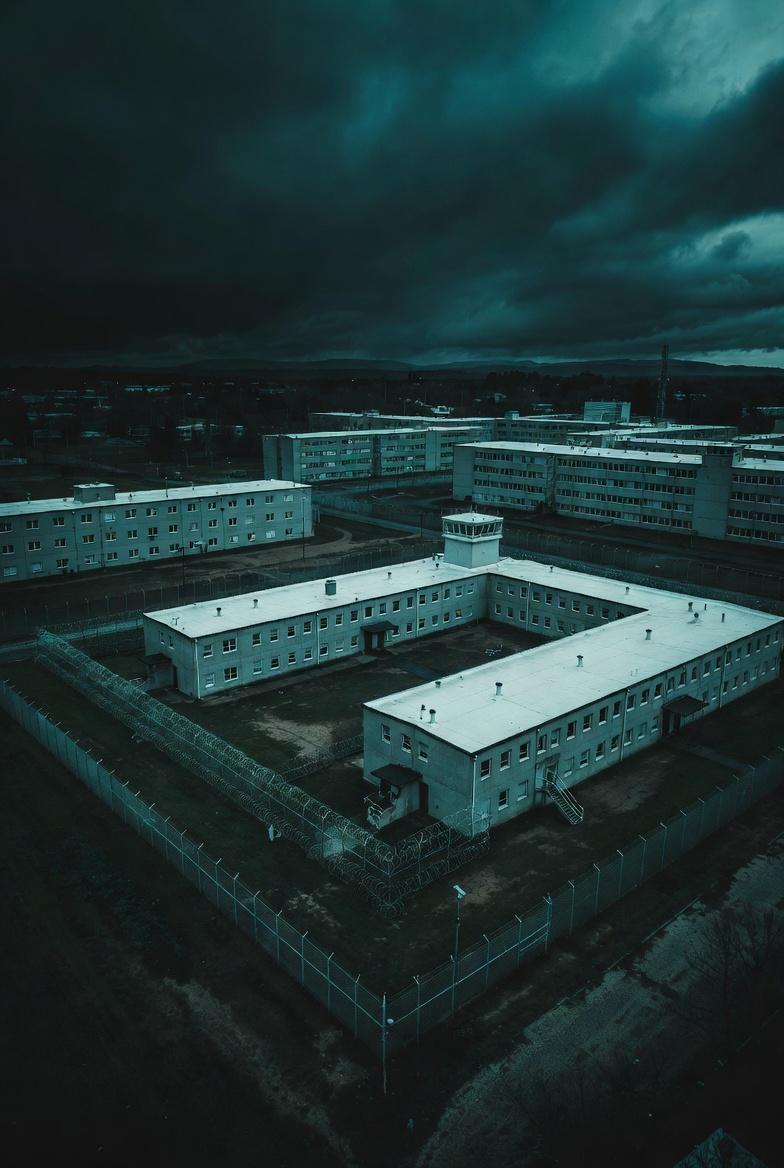
CDCR Francisquito Adult Conservation Fire Camp #4 is a medium-security conservation camp operated by the California Department of Corrections and Rehabilitation in partnership with CAL FIRE. Located at 3510 North San Francisquito Canyon Road in Saugus, California, this male facility sits in the rugged San Francisquito Canyon area. The camp houses minimum and medium-security male inmates who have been carefully screened and selected to participate in wildland firefighting and conservation work programs throughout the state.
Families seeking information about loved ones at Francisquito Fire Camp #4 can search inmate records through the CDCR website. Visitation policies, procedures for sending money, and arrest record information are available through official CDCR channels. The remote canyon location requires advance planning for visits and communication with incarcerated individuals at this specialized conservation facility.
Francisquito Adult Conservation Fire Camp #4 operates as one of California's specialized conservation camps where screened inmates train and work as wildland firefighters. Participants in this program respond to fires, natural disasters, and environmental emergencies throughout California alongside CAL FIRE and other emergency services. Inmates at conservation camps like Francisquito must meet strict eligibility requirements, including no history of violent crimes, sexual offenses, arson, or certain other convictions. The camp's location in San Francisquito Canyon provides direct access to wilderness areas requiring fire suppression and conservation work, making it strategically positioned for emergency response throughout the region.
The inmate population at Francisquito Fire Camp #4 consists exclusively of carefully screened minimum and medium-security male offenders who have volunteered for the conservation camp program. Inmates accepted into fire camp programs typically have non-violent offense histories and demonstrate good institutional behavior. These individuals are serving sentences for various crimes but have been deemed suitable for the rigorous physical demands and trust required for wildland firefighting work. The population includes both state prisoners serving determinate sentences and those nearing release dates. All participants must pass physical fitness standards and complete specialized training in firefighting techniques, tool use, and emergency response. Fire camp inmates generally represent lower-risk custody classifications within the California corrections system and work toward successful community reintegration.
Living conditions at Francisquito Fire Camp #4 differ significantly from traditional prison facilities, reflecting the camp's conservation mission and operational requirements. Inmates are housed in barracks-style dormitories rather than cells, with open sleeping arrangements that accommodate the fire crew structure. The remote canyon location means the camp operates as a relatively self-contained facility with dining halls providing meals to support the physically demanding firefighting and conservation work. Recreation opportunities are limited compared to traditional prisons but reflect the outdoor nature of the camp setting. Medical services are available on-site for routine needs, with more serious medical issues requiring transport to appropriate facilities. Mental health services follow CDCR standards. The grievance process allows inmates to address concerns through official channels. Daily routines revolve around physical training, tool maintenance, and readiness for emergency deployment, creating a structured environment focused on fire suppression preparedness and conservation project completion throughout the active fire season and year-round environmental work assignments.
Programs at Francisquito Fire Camp #4 center primarily on wildland firefighting training and conservation work skills. Inmates receive comprehensive instruction in fire suppression techniques, hand crew operations, chainsaw certification, and emergency response protocols. The conservation camp program itself serves as intensive vocational training, teaching marketable skills in forestry, land management, and emergency services. Educational opportunities may include GED preparation for eligible participants. Substance abuse programming addresses addiction issues that may have contributed to criminal behavior, supporting successful reentry. Religious services and spiritual programming are available to meet inmates' faith needs. Re-entry preparation focuses heavily on leveraging fire camp experience and certifications for post-release employment in firefighting, forestry, landscaping, and related fields, with many former fire camp participants finding careers in emergency services and conservation work upon release.
Work assignments at Francisquito Fire Camp #4 focus almost entirely on wildland firefighting and conservation projects. Inmates work as hand crews performing fuel reduction, creating firebreaks, clearing brush, and maintaining forest health throughout California's wildlands. During active fire season, crews deploy to emergency incidents, working alongside professional firefighters to suppress wildfires threatening communities and natural resources. Conservation work includes trail maintenance, habitat restoration, erosion control, and environmental cleanup projects. Inside the camp, inmates maintain facility operations including food service, grounds keeping, and equipment maintenance. All work assignments support the camp's mission of providing trained firefighting resources while offering inmates meaningful work experience and skills applicable to post-release employment opportunities in environmental and emergency services fields.
Francisquito Adult Conservation Fire Camp #4 is part of California's long-standing conservation camp program, which began in the 1940s as a partnership between the California Department of Corrections and state forestry agencies. The specific establishment date of Camp #4 in San Francisquito Canyon is not publicly documented in available records, but the site has served for decades as a strategic fire response location in the mountains north of Los Angeles. The San Francisquito Canyon area, historically significant for water resources serving Southern California, provides ideal terrain for training firefighting crews and positioning them for rapid response to wildfires in the region. California's conservation camp system expanded significantly during the mid-twentieth century and continues today with approximately three dozen camps statewide. Francisquito Fire Camp #4 maintains its role as a critical resource for wildland fire suppression and conservation work, providing trained inmate hand crews ready to deploy throughout California during emergencies.
Visitation at Francisquito Fire Camp #4 follows CDCR conservation camp policies, which typically differ from traditional prison visiting procedures. All visitors must be on the inmate's approved visiting list and present valid government-issued photo identification. The remote canyon location requires advance planning and awareness of road conditions, particularly during winter months. Dress code requirements prohibit clothing that resembles inmate attire or is otherwise deemed inappropriate. Conservation camps generally maintain less restrictive visiting environments than traditional prisons, reflecting the lower-security classification of participants. Families should contact the facility directly before traveling to confirm current visiting hours, procedures, and any special restrictions that may apply. The isolated location means careful attention to directions and travel time is essential for successful visits.
Mail to inmates at Francisquito Fire Camp #4 should be addressed with the inmate's full name, CDCR number, and facility address at 3510 North San Francisquito Canyon Road, Saugus, CA 91350. All incoming mail is subject to inspection according to CDCR regulations. Books and publications must come directly from approved vendors to comply with security protocols. Inmates can typically make outgoing telephone calls using authorized phone accounts that families establish through CDCR's contracted phone service provider. Prepaid collect calling and debit account options allow inmates to maintain contact with approved phone numbers. Families should verify current communication policies directly with the facility, as conservation camps may have different procedures than traditional prisons.
Sponsored and Powered by our Partner TruthFinder
Quick Facts
Should I Be Concerned? — Family Guide
Francisquito Fire Camp #4 maintains a medium security designation with zero reported staff assaults, indicating a stable institutional environment. This conservation camp emphasizes structured work programs that generally promote safer conditions than traditional facilities. Visitors should expect standard security procedures including ID verification and visiting hours restrictions; contact the facility directly to confirm current policies and any pandemic-related modifications.
Neighborhood & Getting There
Located in Saugus, California, approximately 30 miles north of downtown Los Angeles in Santa Clarita area, this fire camp sits in the San Francisquito Canyon region. The facility is nestled in Angeles National Forest terrain, accessible via State Route 14 and local canyon roads. Nearby services include Santa Clarita hotels and restaurants, about 15-20 minutes away. The location offers scenic foothill access but requires navigating canyon roads for visitation.