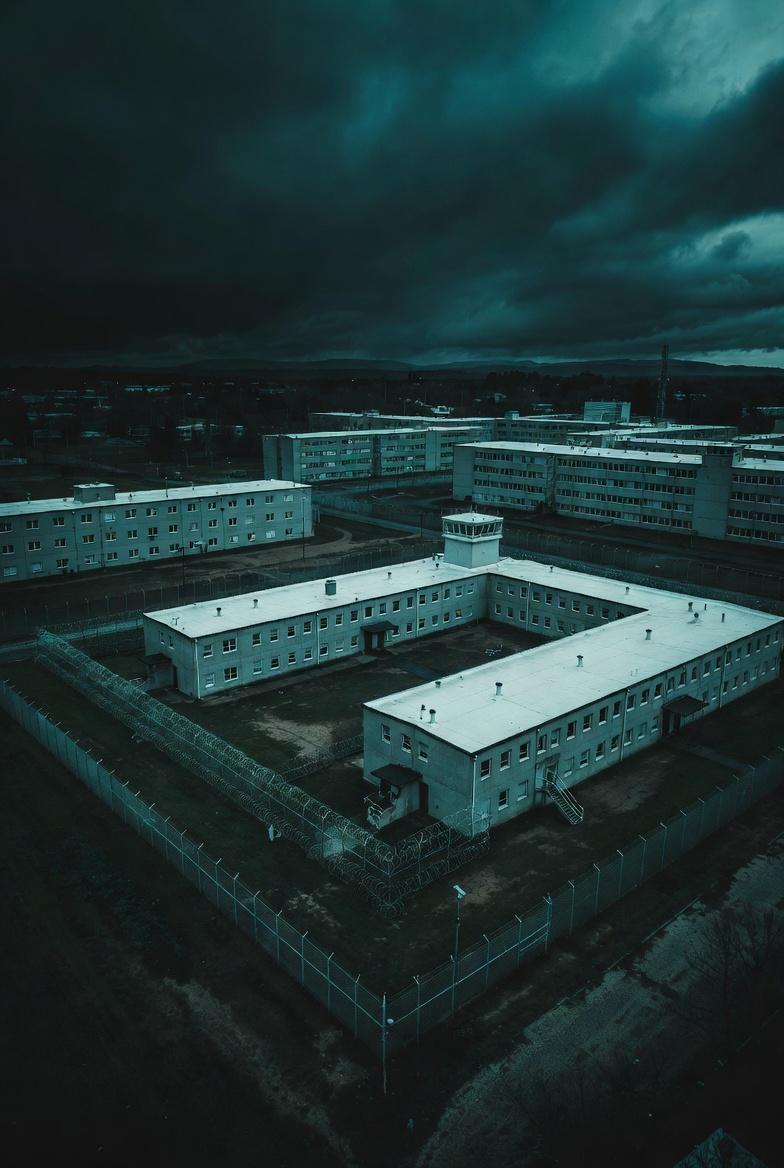
Folsom State Prison is a medium-security correctional facility located at 300 Prison Road in Represa, Sacramento County, California. Operated by the California Department of Corrections and Rehabilitation (CDCR), FSP houses adult male offenders. The facility serves as one of California's historic prisons, functioning as a critical component of the state correctional system while maintaining modern operational standards for medium-security incarceration.
Families seeking information about inmates at Folsom State Prison can conduct inmate searches through CDCR resources, send money for commissary accounts, schedule approved visits, and access arrest records. All correspondence should be mailed to PO Box 715071, Represa, CA 95671. Understanding facility procedures helps families maintain meaningful connections with incarcerated loved ones.
Folsom State Prison stands as one of California's most historically significant correctional institutions, earning its place in American cultural consciousness. The prison's distinctive granite walls and Victorian-era architecture reflect its origins in California's early statehood period. Beyond its historical prominence, Folsom operates as a contemporary medium-security facility balancing preservation of its heritage with modern correctional practices. The institution's location in Represa, along the American River, distinguishes it geographically from other California facilities. Folsom's dual identity as both a working prison and historical landmark creates unique operational considerations within the CDCR system.
Folsom State Prison houses a medium-security male inmate population consisting primarily of sentenced offenders serving terms for various felony convictions. The facility's classification system accommodates inmates who have demonstrated appropriate institutional behavior but require more supervision than minimum-security settings. Offenders at FSP may be serving time for property crimes, drug offenses, and various violent crimes deemed suitable for medium-security custody. The population includes both younger offenders and long-term inmates who have been reclassified from higher security levels based on conduct and programming participation. CDCR assigns inmates to Folsom based on security classification, geographic considerations, and bed space availability throughout the state system.
Inmates at Folsom State Prison reside in housing units appropriate for medium-security custody, with configurations ranging from traditional cell blocks to more contemporary dormitory-style arrangements depending on the specific section of the facility. Incarcerated individuals receive three meals daily prepared in accordance with CDCR nutritional standards and dietary accommodation policies. Recreation opportunities include outdoor yard time, gymnasium access when available, and dayroom activities subject to security protocols and facility scheduling. Medical services are provided through on-site health care staff for routine and urgent needs, with specialized treatment available through referrals to regional medical facilities. Mental health services include crisis intervention, ongoing counseling, and psychiatric care for those with diagnosed conditions. Inmates experiencing concerns about conditions or treatment may file grievances through the established CDCR appeals process, which provides administrative review of complaints at multiple levels.
Folsom State Prison offers educational programming including adult basic education and GED preparation for inmates seeking to complete their high school equivalency. Vocational training opportunities provide skills development in various trades that support both institutional operations and post-release employment prospects. Substance abuse programming addresses addiction issues through group counseling, educational curricula, and therapeutic community models for eligible participants. Religious services accommodate multiple faith traditions with volunteer chaplains and approved religious programming. Re-entry preparation programs help inmates develop release plans, including housing resources, employment strategies, and community connections. Program availability and individual participation depend on security classification, sentence length, institutional conduct, and bed space in program-specific housing units.
Work assignments at Folsom State Prison include essential institutional maintenance positions such as kitchen workers, janitors, laundry staff, and groundskeepers that keep the facility operational. Inmates may work in support roles for various departments under staff supervision. Some assignments provide vocational skill development that corresponds with training programs. Work opportunities depend on security classification, demonstrated responsibility, and institutional needs. Participation in work assignments may affect privilege levels and can factor into custody reviews. Wages for institutional work assignments follow CDCR compensation schedules, with earnings applied to restitution, victim compensation, and personal accounts.
Folsom State Prison was established in the nineteenth century during California's early development as a state, constructed using granite quarried by inmate labor. The facility was built to address the growing need for secure incarceration as California's population expanded following the Gold Rush era. Its distinctive stone construction and fortress-like appearance reflected architectural standards of that period. Over more than a century of operation, Folsom has undergone numerous expansions, modernizations, and operational changes while maintaining its core structure. The prison has witnessed significant events in California corrections history, adapting through different eras of penal philosophy and reform. Today, Folsom continues serving as an active medium-security institution within the CDCR system while maintaining its historical significance in American corrections.
Visitation at Folsom State Prison requires advance approval through the CDCR visiting application process, with all visitors subject to background screening. Approved visitors must present valid government-issued photo identification upon arrival and comply with facility dress code regulations that prohibit revealing clothing, specific colors, and items that could pose security concerns. Visiting schedules vary based on housing unit assignments and institutional needs. Families should contact the facility directly before traveling to confirm current visiting hours, procedures, and any temporary restrictions. The visitation process includes security screening and check-in procedures that visitors should expect. Maintaining regular visits helps support inmates during incarceration and strengthens family connections essential for successful reintegration.
All mail to inmates at Folsom State Prison must include the inmate's full legal name, CDCR identification number, and be sent to PO Box 715071, Represa, CA 95671. Incoming correspondence is subject to inspection according to CDCR mail policies. Books and publications must be shipped directly from approved vendors to comply with security regulations. Inmates can make telephone calls using approved phone accounts that families can fund through CDCR's telephone service provider. Families should verify current policies regarding electronic messaging systems or email services that may be available through contracted vendors, as these services have expanded in some California facilities.
Sponsored and Powered by our Partner TruthFinder
Quick Facts
Should I Be Concerned? — Family Guide
Folsom State Prison's Medium security classification indicates a stable operational environment with standard safety measures in place. With zero reported staff assaults, the facility demonstrates effective security management. Visitors should expect standard procedures including security checks, identification requirements, and dress codes. Plan visits in advance, arrive early, and follow all facility guidelines to ensure a smooth and safe visit.
Neighborhood & Getting There
Folsom State Prison is located in Represa, a small unincorporated community in Sacramento County, California, approximately 25 miles northeast of downtown Sacramento. The rural setting is in the Sierra Nevada foothills with limited immediate commercial services. Sacramento International Airport and major hotels are about 30-40 minutes away via Highway 50. The area offers scenic views but limited dining and lodging options near the facility itself; most visitors stay in nearby Folsom or Sacramento.