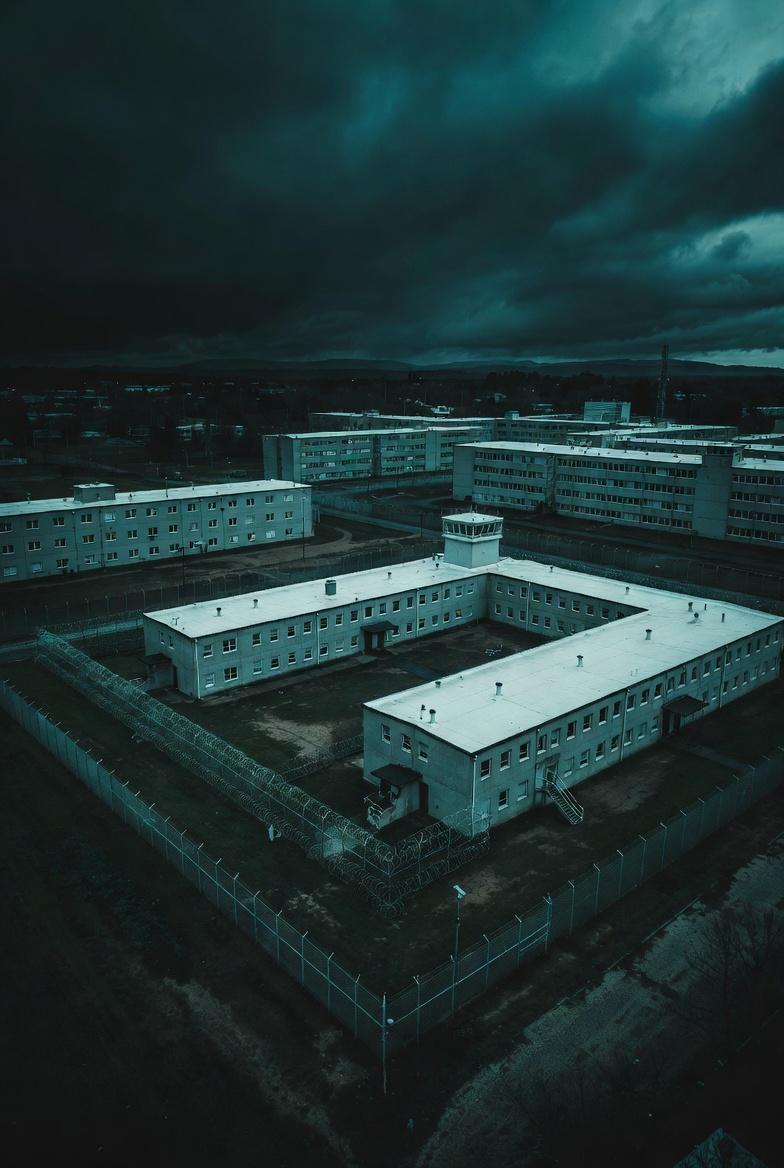
CDCR - Devil's Garden Adult Conservation (Fire) Camp #40
State Prison | 96101 County — California
Devil's Garden Adult Conservation (Fire) Camp #40 is a medium-security facility operated by the California Department of Corrections and Rehabilitation located at 2300 County Road 74 in Alturas, California. Situated in rural Modoc County in California's northeastern corner, this conservation camp houses male inmates who have volunteered and been selected for the state's firefighting and conservation work programs. The facility operates as part of CDCR's conservation camp system, preparing inmates for wildland firefighting and natural resource management.
Families seeking information about inmates at Devil's Garden Fire Camp can use inmate locator services to verify placement. Due to the camp's remote location and specialized mission, contacting the facility before planning visits is essential. Families can send money through approved CDCR channels and maintain contact through mail correspondence with inmates participating in this unique program.
Devil's Garden Fire Camp #40 stands apart as one of California's specialized conservation camps where inmates volunteer for intensive wildland firefighting training and emergency response duty. Located in the remote forests near Alturas in Modoc County, this facility represents a significant opportunity for eligible inmates to reduce their sentences while serving California communities during wildfire season and natural disasters. Participants work alongside Cal Fire professionals, gaining valuable skills in fire suppression, fuel reduction, trail maintenance, and habitat restoration. The camp's isolation in northeastern California's rugged terrain provides an environment focused entirely on conservation work rather than traditional incarceration, offering participants a chance to contribute meaningfully to public safety while developing employable skills for their eventual release.
Devil's Garden Fire Camp #40 houses a carefully selected population of male inmates who have volunteered for the conservation camp program. Participants must meet strict eligibility criteria established by CDCR, typically excluding those convicted of certain violent crimes, arson, or sex offenses. Inmates generally serve sentences for non-violent or lower-level offenses and must have minimum custody classification. All residents are sentenced inmates rather than pre-trial detainees, as the program requires commitment to completing firefighting training and work assignments. The population consists of individuals physically capable of performing strenuous outdoor labor and willing to respond to emergency calls at any time. These inmates have demonstrated good behavior in other institutions and seek opportunities for sentence reduction through conservation work credits earned while serving California communities.
Living conditions at Devil's Garden Fire Camp #40 differ significantly from traditional correctional facilities. Inmates reside in dormitory-style barracks designed to accommodate the conservation crew structure, with sleeping quarters reflecting the camp's focus on teamwork and rapid emergency response capability. The facility provides three daily meals with increased caloric content to sustain the physically demanding work these inmates perform. Medical services address routine healthcare needs and work-related injuries, with more serious cases transferred to appropriate facilities. Mental health support is available, though the camp environment emphasizes physical fitness and outdoor work. Recreation time is limited compared to traditional prisons, as inmates spend considerable hours training, maintaining equipment, and responding to emergency calls during fire season. The grievance process follows standard CDCR procedures, allowing inmates to address concerns formally. The camp's remote location means fewer amenities than urban facilities, but participants generally accept these conditions as part of their commitment to the conservation program and the opportunities it provides for personal growth and sentence reduction.
Programs at Devil's Garden Fire Camp #40 center almost entirely on firefighting training, conservation work, and emergency response preparation. Inmates receive extensive instruction in wildland fire suppression techniques, chainsaw operation, hand tool use, fire line construction, and safety protocols required for Cal Fire certification. Physical fitness training is mandatory to maintain the conditioning necessary for strenuous firefighting work. While traditional educational programs like GED classes may be limited due to the camp's work focus, inmates gain practical vocational skills in forestry, land management, and emergency services that can lead to employment after release. Substance abuse programming may be available during downtime between fire seasons. The entire camp experience serves as a form of rehabilitation through structured work, discipline, and public service. Inmates earn time credits that can significantly reduce their sentences while building self-esteem through meaningful contributions to California's emergency response capabilities.
Work assignments at Devil's Garden Fire Camp #40 revolve entirely around conservation and emergency response activities. Inmates form trained hand crews that respond to wildfires throughout California and neighboring states during fire season, working long shifts constructing fire lines, clearing brush, and protecting communities under Cal Fire supervision. Between emergency calls, crews perform fuel reduction projects, removing dead vegetation that increases fire risk in forests and wildlands. Additional work includes trail construction and maintenance, habitat restoration, reforestation efforts, and watershed protection projects throughout Modoc County and surrounding areas. Camp maintenance duties include facility upkeep, equipment repair, and meal preparation to support the crew's operational readiness. Unlike traditional prison industries, these work assignments directly benefit public lands and emergency services while providing inmates with marketable outdoor and emergency response skills.
Devil's Garden Adult Conservation Fire Camp #40 was established as part of California's conservation camp program, which began in the 1940s through partnership between the California Department of Corrections and the California Department of Forestry and Fire Protection (Cal Fire). The camp takes its name from the Devil's Garden plateau region of northeastern Modoc County, an area characterized by volcanic terrain, high desert, and dense forests requiring active fire management. Over decades, the facility has evolved with California's changing wildfire challenges, with conservation camps becoming increasingly vital as fire seasons lengthened and intensified. The camp has housed generations of inmate firefighters who have protected California communities during countless wildfire emergencies. Despite the program's proven success in both fire suppression and inmate rehabilitation, specific incidents and expansions at this particular camp remain undocumented in public records. Today, Devil's Garden Fire Camp #40 continues its essential mission, training and deploying inmate hand crews as a crucial component of California's wildfire response infrastructure.
Visitation at Devil's Garden Fire Camp #40 operates differently than traditional CDCR facilities due to the camp's remote location and operational requirements. Visitors must bring valid government-issued photo identification and should expect limited visiting hours that accommodate the camp's work schedule and emergency response obligations. The dress code prohibits clothing resembling inmate attire or that could be deemed inappropriate. All visitors require prior approval through CDCR's standard visitor application process, which includes background checks. Scheduling visits requires understanding that inmates may be unavailable due to fire assignments or training exercises, particularly during summer fire season when crews deploy on short notice. The camp's rural Alturas location means limited nearby accommodations and services. Families should absolutely call ahead to confirm visiting days, hours, and whether their inmate will be available, as the camp's emergency response mission can affect visitation without advance notice.
To send mail to an inmate at Devil's Garden Fire Camp #40, address correspondence with the inmate's full name, CDCR number, facility name, and complete mailing address: 2300 County Road 74 PO Box 100, Alturas, CA 96101. All incoming mail undergoes inspection according to CDCR regulations. Families may send books, magazines, and educational materials only through CDCR-approved vendors to ensure compliance with security policies. Inmates can make outgoing telephone calls using the facility's phone system once families establish prepaid accounts through the approved telecommunications provider. Due to the camp's work-focused environment and frequent deployments, communication opportunities may be more limited than at traditional facilities. Email or tablet-based messaging availability depends on current CDCR technology programs, which families should verify directly with the department as these services expand throughout the prison system.
Sponsored and Powered by our Partner TruthFinder
Quick Facts
Should I Be Concerned? — Family Guide
Devil's Garden Fire Camp #40 maintains a strong safety record with zero staff assaults, reflecting the careful screening of participants in this specialized program. Medium security and the nature of work-focused conservation camps create a generally stable environment. Visiting is permitted with standard CDCR protocols; contact the facility in advance to confirm current visiting hours and any fire season restrictions that may affect access.
Neighborhood & Getting There
Devil's Garden Fire Camp #40 is located in remote northeastern California near Alturas, in Modoc County, approximately 320 miles north of Sacramento and 280 miles northeast of the Bay Area. The facility sits in rugged forest and rangeland terrain characteristic of the Warner Mountains region. Alturas is the nearest town (about 30 miles south), offering limited lodging options. Highway 299 and US-395 provide primary access; visitors should plan for significant driving time from major California metros.