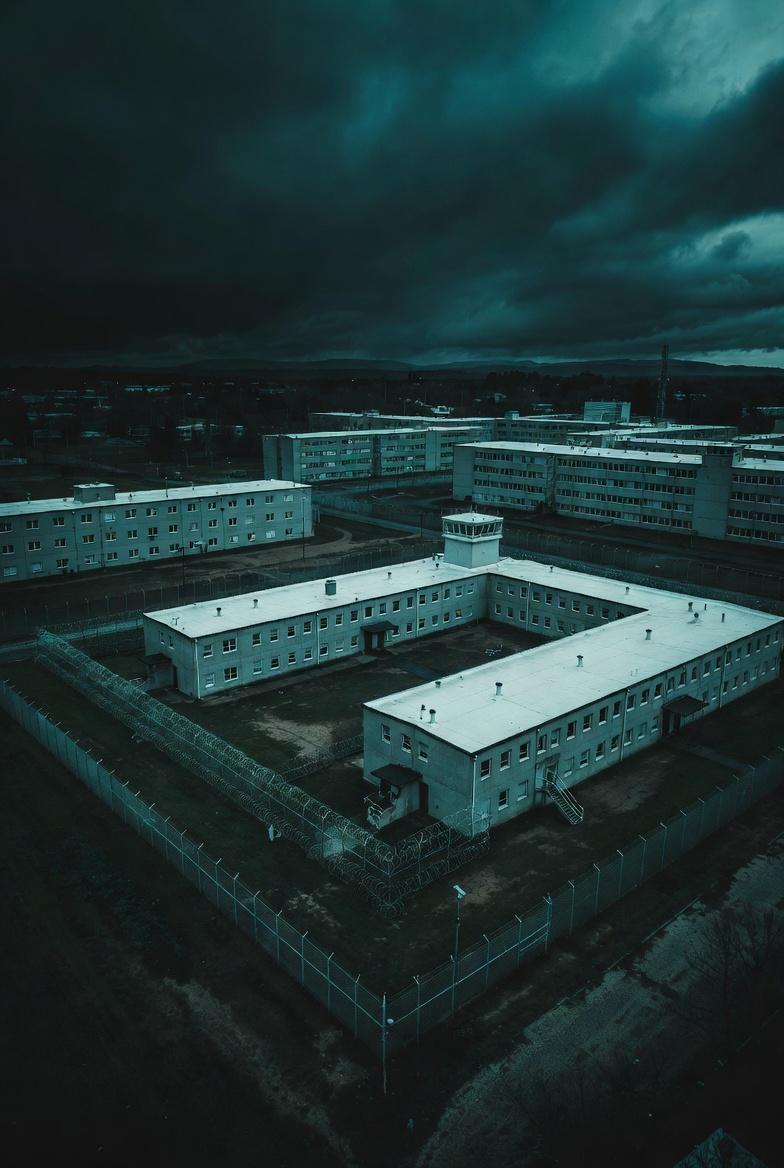
CDCR - Delta Adult Conservation (Fire) Camp #8
State Prison | California County — California
Delta Adult Conservation (Fire) Camp #8 is a medium-security correctional facility located at 6246 Lambie Road in Suisun City, Solano County, California. Operated by the California Department of Corrections and Rehabilitation (CDCR), this conservation camp houses male inmates who participate in fire suppression and conservation work throughout California. As part of the state's conservation camp program, this facility serves a specialized role in preparing inmates for wildland firefighting and emergency response.
Families seeking to locate an inmate at Delta Fire Camp #8 can use the CDCR inmate locator system with the inmate's name or identification number. Services available to support incarcerated individuals include sending money for commissary purchases, scheduling approved visits, and accessing public arrest records through appropriate channels to understand case details and sentencing information.
Delta Adult Conservation (Fire) Camp #8 operates as part of California's distinctive conservation camp system, which trains eligible inmates to serve as wildland firefighters alongside Cal Fire professionals. Unlike traditional correctional facilities focused solely on custody, this camp prepares inmates for emergency response to wildfires, natural disasters, and other environmental incidents throughout Northern California. Inmates selected for Delta Fire Camp #8 must meet strict eligibility criteria, demonstrating good institutional behavior and physical fitness requirements. The camp's location in Suisun City positions crews to respond rapidly to fire emergencies in Solano County and surrounding regions, providing valuable public service while offering participants work experience and skill development that supports successful reentry.
Delta Adult Conservation (Fire) Camp #8 houses a carefully selected population of male inmates who have been classified as medium-security and meet specific eligibility requirements for conservation camp placement. Inmates assigned to fire camps typically have non-violent offense histories and demonstrate stable institutional behavior. The population consists of sentenced individuals serving time in the California prison system who have volunteered for the demanding physical work of wildland firefighting. Inmates with serious violent convictions, sex offenses, arson charges, or certain medical conditions are generally excluded from conservation camp programs. The camp population maintains smaller numbers compared to traditional prisons, creating a more structured work-focused environment where residents train as firefighting crew members and participate in conservation projects when not responding to emergencies.
Delta Adult Conservation (Fire) Camp #8 provides dormitory-style housing designed to accommodate the unique operational needs of a working fire camp. Living quarters differ significantly from traditional cell-based housing, with barracks-style arrangements that reflect the camp's emphasis on crew cohesion and rapid emergency response capability. Inmates follow a regimented daily schedule centered around physical fitness training, fire suppression skills development, and readiness for deployment to active incidents. Meals are served in a communal dining area and must meet nutritional standards appropriate for the physically demanding nature of firefighting work. Medical services address routine healthcare needs and treatment for work-related injuries, with more serious conditions requiring transfer to facilities with comprehensive medical units. Mental health support is available through CDCR programming. The camp maintains a formal grievance process allowing inmates to address concerns about conditions, treatment, or policy violations through administrative channels. Recreation time is limited compared to traditional facilities due to the work-focused mission and deployment schedules during fire season.
Educational and rehabilitative programming at Delta Adult Conservation (Fire) Camp #8 focuses primarily on fire suppression training, emergency response skills, and conservation work techniques. Inmates receive extensive instruction in wildland firefighting methods, chainsaw operation, hand tool use, fire line construction, and safety protocols certified by Cal Fire standards. While the camp's primary mission centers on firefighting readiness, participants may access correspondence-based educational programs including GED preparation for those without high school credentials. Vocational training occurs primarily through hands-on conservation work including trail maintenance, habitat restoration, and fuel reduction projects. Substance abuse programming may be available through self-help groups or visiting counselors. Religious services are provided through volunteer chaplains on a regular schedule. The conservation camp experience itself serves as a significant reentry preparation program, building work ethic, teamwork skills, and certified firefighting credentials that can support post-release employment opportunities in related fields.
Work assignments at Delta Adult Conservation (Fire) Camp #8 revolve entirely around fire suppression and conservation activities rather than traditional prison industries. Inmates serve as trained wildland firefighting crew members who respond to wildfires, assist with prescribed burns, and provide emergency support during natural disasters throughout California. During non-fire periods, crews perform conservation work including creating and maintaining fire breaks, clearing brush and dead vegetation to reduce fire hazards, building and repairing trails, stream restoration, and other environmental projects on public lands. Camp maintenance duties including food service, grounds keeping, and facility upkeep are assigned on a rotating basis. This outdoor work program provides valuable public service while offering inmates physically demanding employment that builds skills and demonstrates community contribution.
Delta Adult Conservation (Fire) Camp #8 represents part of California's longstanding conservation camp program, which has utilized inmate labor for fire suppression and conservation work for decades. The specific founding date of Camp #8 in Suisun City is not publicly documented in available records, though California's conservation camp system began in the 1940s as a partnership between the Department of Corrections and the Division of Forestry (now Cal Fire). The Suisun City location strategically positions crews to protect communities in Solano County and respond to fires in the North Bay and Central Valley regions. Over the years, conservation camps have evolved from basic labor programs to sophisticated firefighting operations where inmates receive professional training and work alongside career firefighters. Delta Fire Camp #8 continues serving its essential role in California's wildfire response infrastructure, particularly important as climate conditions have intensified fire seasons. The facility operates year-round, maintaining readiness for emergency deployment while conducting conservation projects during quieter periods.
Visitation at Delta Adult Conservation (Fire) Camp #8 follows CDCR regulations with modifications reflecting the camp's operational requirements and smaller population. Visitors must be on the inmate's approved visiting list and provide valid government-issued photo identification upon arrival. Appropriate attire is required, with restrictions on clothing colors that resemble inmate uniforms or could create security concerns. Physical contact may be limited to brief greetings and farewells depending on facility policy. Families should understand that visitation schedules may be disrupted during fire season when crews are deployed to active incidents, sometimes for extended periods. It is essential to call the facility ahead of time at the provided mailing address to confirm visiting hours, verify the inmate's current location, and understand any temporary restrictions due to emergency deployments or operational needs specific to conservation camp operations.
Mail to inmates at Delta Adult Conservation (Fire) Camp #8 should be addressed with the inmate's full legal name, CDCR identification number, and the facility address: 6246 Lambie Road Suisun City, CA 94585. All incoming correspondence is subject to inspection for contraband and prohibited items. Book shipments must come directly from approved vendors to comply with CDCR regulations. Inmates can make outgoing telephone calls through the facility phone system once friends and family establish prepaid accounts with the designated telephone service provider. Email and electronic messaging services may be available through CDCR's approved systems, though access can be limited during fire deployments. Families should verify current communication options and account setup procedures as these services and providers change periodically within the California corrections system.
Sponsored and Powered by our Partner TruthFinder
Quick Facts
Should I Be Concerned? — Family Guide
Delta Adult Conservation Camp #8 maintains a Medium security classification with zero reported staff assaults, indicating a generally safe environment. Fire camps typically house motivated, lower-custody inmates engaged in meaningful work programs. When visiting, follow all facility rules, plan your trip during posted visiting hours, and bring valid identification.
Neighborhood & Getting There
Delta Adult Conservation Camp #8 is located in Suisun City, California, in Solano County, approximately 45 miles northeast of San Francisco and 90 minutes from the Bay Area. The facility sits in a rural area surrounded by open space and conservation land. Nearby amenities include basic lodging in Suisun City and Fairfield, with highway access via Interstate 80. The region offers typical Central Valley infrastructure with restaurants and services along major corridors.