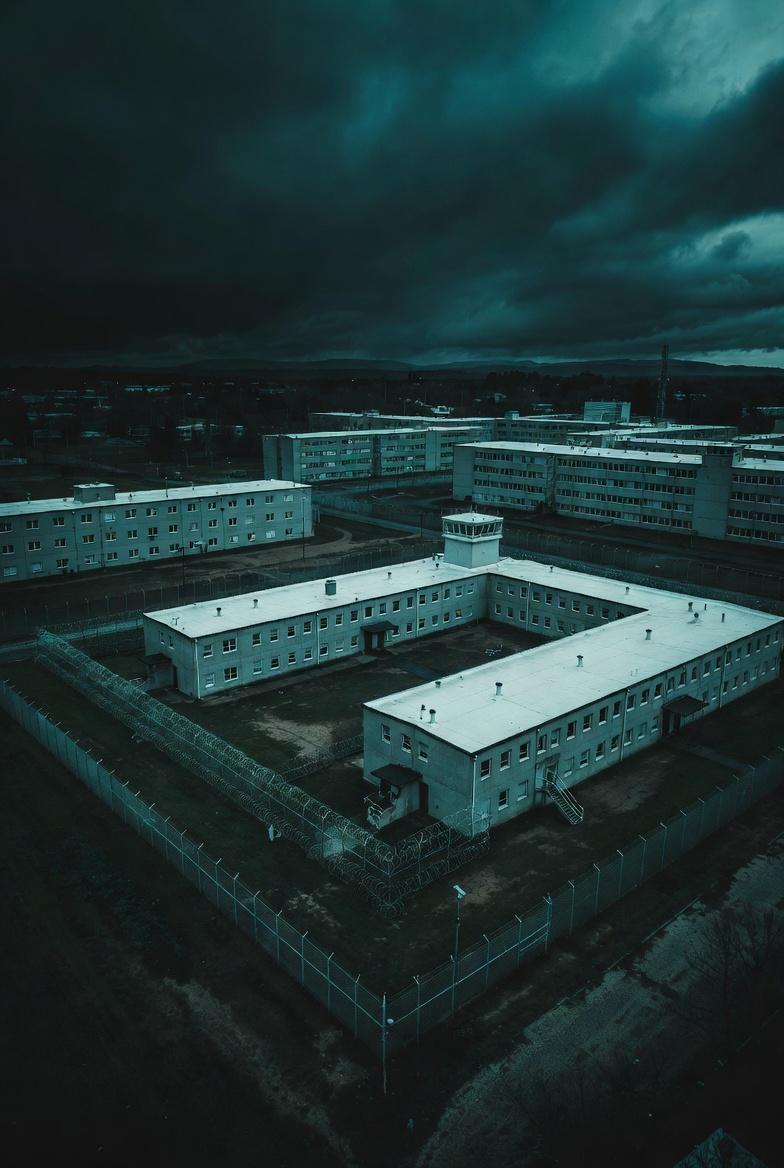
CDCR - Deadwood Adult Conservation (Fire) Camp #23
State Prison | California County — California
CDCR Deadwood Adult Conservation Fire Camp #23 is a medium-security facility located at 17148 McAdams Creek Road in Fort Jones, Siskiyou County, California. Operated by the California Department of Corrections and Rehabilitation, this conservation camp houses male inmates who have been selected to participate in firefighting and conservation work programs. The facility serves as both a correctional institution and a critical resource for California's wildfire response infrastructure in the northern part of the state.
Families seeking information about inmates at Deadwood Fire Camp can use the CDCR inmate locator system to search for loved ones. Visitors can send money through approved CDCR channels, schedule visits according to camp guidelines, and access arrest records through official county and state resources to stay connected with incarcerated family members.
Deadwood Fire Camp #23 distinguishes itself as one of California's specialized conservation camps where inmates work alongside the California Department of Forestry and Fire Protection (CAL FIRE). Located in the rugged terrain of Siskiyou County near Fort Jones, this facility focuses exclusively on training and deploying inmate firefighting crews for wildfire suppression, fuel reduction projects, and emergency response throughout Northern California. Inmates at Deadwood must meet strict eligibility requirements, including non-violent offense histories and physical fitness standards, making this a privilege assignment within the CDCR system that offers valuable skills training and reduced security restrictions compared to traditional prisons.
Deadwood Fire Camp #23 houses a carefully selected population of male inmates who have demonstrated good behavior and met specific eligibility criteria. Inmates must be classified as minimum or medium security with non-violent offense histories, as violent offenders, sex offenders, and arsonists are excluded from conservation camp placement. The population consists of sentenced inmates serving time for various non-violent crimes including property offenses, drug-related convictions, and other felonies. These men have volunteered for the demanding physical work and training required for firefighting duties. The camp maintains a smaller population than traditional prisons, fostering a more structured, work-focused environment where inmates prepare for emergency deployment throughout California's fire season.
Living conditions at Deadwood Fire Camp #23 reflect its conservation camp designation, differing significantly from traditional correctional facilities. Inmates typically reside in barracks-style dormitory housing rather than individual cells, with fewer security restrictions than standard prisons. The focus remains on maintaining a structured, disciplined environment centered around firefighting readiness and conservation work. Meals are provided to meet the nutritional needs of inmates engaged in physically demanding labor, with dining facilities accommodating the camp population. Medical services address routine healthcare needs and work-related injuries, with more serious conditions referred to appropriate CDCR medical facilities. Mental health resources are available through CDCR protocols. Recreation time is limited due to work schedules but includes opportunities for physical fitness essential to firefighting duties. The grievance process follows standard CDCR procedures, allowing inmates to address concerns through formal channels while maintaining the camp's operational focus on emergency response readiness.
Programs at Deadwood Fire Camp #23 center primarily on firefighting training and conservation work skills. Inmates receive extensive instruction in wildfire suppression techniques, chainsaw operation, hand tool use, fire line construction, and emergency response protocols through partnerships with CAL FIRE. While the camp's primary focus is firefighting preparation and deployment, educational opportunities may include GED preparation for eligible inmates. Vocational training inherently occurs through hands-on conservation work, including forest management, fuel reduction, trail maintenance, and habitat restoration projects. Substance abuse programming may be available through CDCR resources, addressing rehabilitation needs. Religious services are typically provided on a periodic basis. Re-entry preparation becomes particularly valuable as inmates develop marketable skills in forestry, emergency response, and wildland firefighting that can lead to employment opportunities upon release, with some former fire camp participants pursuing careers with fire agencies.
Work assignments at Deadwood Fire Camp #23 focus almost exclusively on conservation and emergency response activities. Inmates serve on hand crews that deploy to active wildfires throughout California during fire season, working 24-hour shifts on fire lines under CAL FIRE supervision. When not deployed to emergencies, crews perform vital conservation work including brush clearance, fuel reduction projects, trail construction and maintenance, forest thinning, and habitat improvement throughout Siskiyou County and surrounding areas. Inside camp operations require inmates to maintain facilities, prepare meals, and handle administrative support tasks. This work provides valuable training, reduces sentences through participation credits, and contributes significantly to California's fire protection capabilities.
The establishment date of Deadwood Fire Camp #23 reflects California's long history of utilizing inmate labor for conservation and firefighting purposes, a program that dates back to the 1940s when the state recognized the need for additional wildfire suppression resources. Like other conservation camps in the CDCR system, Deadwood was created to address California's ongoing wildfire challenges while providing inmates with rehabilitation opportunities through meaningful work. Located in the forested regions of Siskiyou County near Fort Jones, the camp's remote placement strategically positions crews near high fire-risk areas requiring quick response. Over decades of operation, the facility has deployed countless crews to major California wildfires, earning recognition for contributions to public safety. The camp continues its critical role today as California faces increasingly severe fire seasons, maintaining readiness to respond to emergencies while offering inmates skill development and a pathway toward successful reintegration into society.
Visitation at CDCR Deadwood Fire Camp #23 follows California Department of Corrections guidelines specific to conservation camps. Visitors must be on the inmate's approved visiting list and present valid government-issued photo identification upon arrival. Dress code requirements prohibit clothing resembling inmate attire or overly revealing garments, with specific restrictions outlined in CDCR policies. Due to the camp's remote location in Fort Jones and its operational nature as a firefighting facility, visiting schedules may be limited and subject to change based on crew deployment status during fire season. Families should call ahead to confirm visiting hours and inmate availability, as crews may be deployed to emergency incidents with little notice. The approval process for new visitors requires advance application, and background checks are conducted before visitation privileges are granted.
To send mail to an inmate at Deadwood Fire Camp #23, address correspondence with the inmate's full name and CDCR identification number, followed by the facility address at 17148 McAdams Creek Road, Fort Jones, CA 96032. All incoming mail is subject to inspection according to CDCR regulations. Books and publications must be sent directly from approved vendors to comply with security protocols. Inmates can typically make phone calls through established CDCR telephone systems, requiring families to set up prepaid accounts with approved vendors. Due to the camp's focus on firefighting operations, communication may be limited during emergency deployments when crews are actively working fire lines away from the facility.
Sponsored and Powered by our Partner TruthFinder
Quick Facts
Should I Be Concerned? — Family Guide
As a Medium security fire camp facility with zero reported staff assaults, CDCR - Deadwood Adult Conservation (Fire) Camp #23 maintains a relatively safe operational environment. The specialized nature of fire camps typically houses lower-risk, work-motivated inmates engaged in conservation activities. When visiting, expect standard security procedures and plan visits during designated hours; call ahead to confirm visitation schedules and any facility-specific restrictions.
Neighborhood & Getting There
Fort Jones is a small rural community in Siskiyou County in far northern California, located approximately 60 miles north of Redding and 280 miles north of Sacramento. The facility sits in the scenic Klamath River Valley region with limited urban infrastructure nearby. The closest hotels and services are in Yreka (45 minutes south) or Mount Shasta area (35 minutes north). Highway 96 provides primary access; plan for rural mountain driving conditions, especially during winter months.