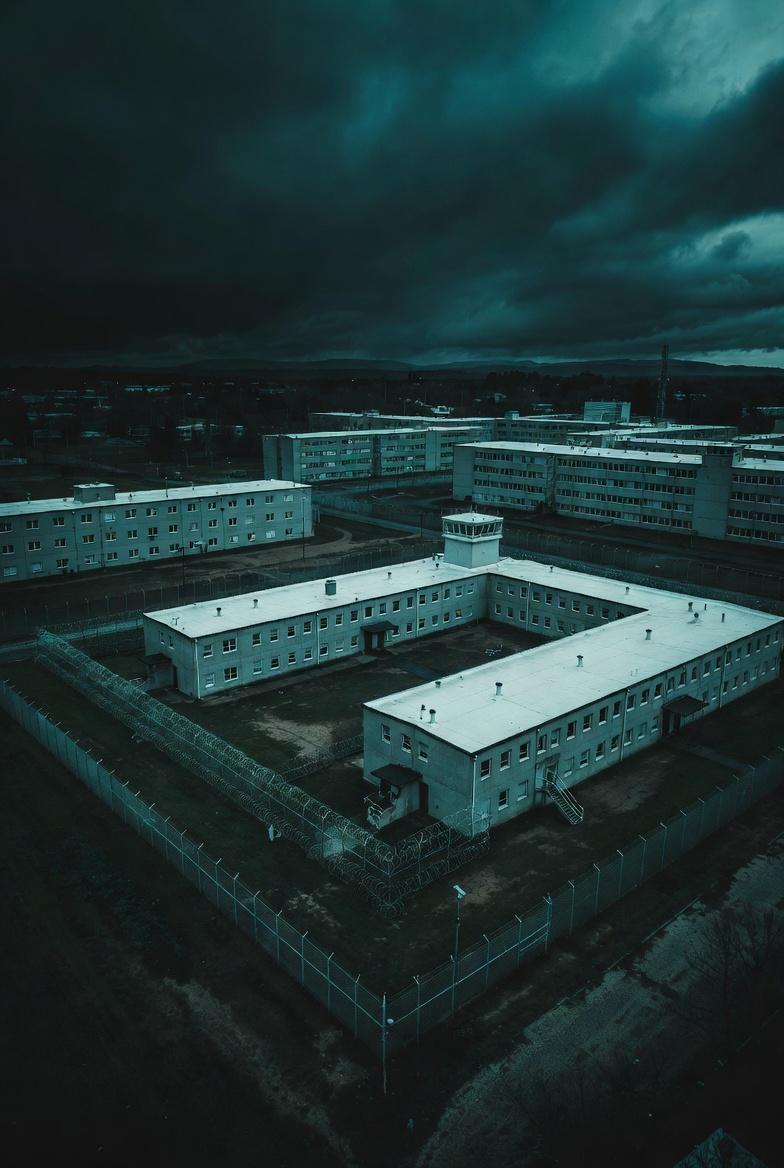
CDCR - Cuesta Adult Conservation (Fire) Camp #24
State Prison | California County — California
Cuesta Adult Conservation Fire Camp #24 operates as a medium-security facility within the California Department of Corrections and Rehabilitation system, located at 635 North Santa Rosa Street in San Luis Obispo, California County. This specialized institution houses male inmates who participate in the state's conservation camp program, providing critical wildfire suppression and emergency response services to California communities. The camp represents a unique component of California's correctional system that combines incarceration with valuable public service.
Families seeking information about inmates at Cuesta Fire Camp #24 can search for their loved ones through the CDCR inmate locator system. Approved visitors can send money through authorized channels, schedule visits according to camp guidelines, and access public arrest records through official California corrections resources.
Cuesta Adult Conservation Fire Camp #24 distinguishes itself as one of California's specialized conservation camps where eligible inmates train and serve as wildland firefighters. Rather than traditional prison warehousing, participants at this San Luis Obispo facility undergo rigorous physical training and learn firefighting techniques to combat wildfires threatening California communities. Inmates work alongside California Department of Forestry and Fire Protection personnel, responding to emergencies throughout the region. This program offers participants an opportunity to develop marketable skills, demonstrate responsibility through public service, and potentially earn sentence reductions while contributing meaningfully to fire suppression efforts that protect lives and property across the state.
The conservation camp population consists exclusively of male inmates who have been carefully screened and selected from the broader California prison system. Participants must meet specific eligibility criteria, including minimum custody classification, physical fitness standards, and clean disciplinary records. Inmates with violent crime convictions, sexual offenses, or arson-related charges are typically excluded from fire camp placement. The population generally includes individuals convicted of non-violent offenses who have demonstrated good behavior and willingness to participate in demanding physical work. All participants are sentenced inmates rather than pre-trial detainees, as the program requires stability and longer-term commitment to complete training and participate in fire suppression operations throughout California's fire season.
Living conditions at Cuesta Fire Camp #24 differ significantly from traditional prison environments, reflecting the camp's emphasis on work readiness and team cohesion. Inmates reside in dormitory-style barracks rather than individual cells, fostering the cooperative atmosphere necessary for effective firefighting crews. Daily routines center around physical fitness training, equipment maintenance, and readiness for emergency response deployments. Meals are designed to provide adequate nutrition for physically demanding work, with dining conducted in communal settings.
Medical services address both routine healthcare needs and work-related injuries, with particular attention to physical conditioning requirements. Mental health resources support inmates adjusting to the camp environment and dealing with the stresses of dangerous firefighting work. Recreation time is limited compared to traditional prisons, as the focus remains on training and operational readiness. Inmates follow a structured grievance process through CDCR channels to address concerns. The camp environment emphasizes discipline, teamwork, and responsibility, preparing participants for both emergency response and eventual reintegration into society.
Programming at Cuesta Fire Camp #24 centers primarily on wildland firefighting training and certification. Inmates receive instruction in fire suppression techniques, chainsaw operation, hand tool use, fire line construction, and emergency medical response. Physical fitness training constitutes a daily requirement, ensuring crew members maintain the conditioning necessary for demanding field operations. While educational programming may be more limited than traditional prisons due to operational demands, participants can often pursue GED completion through correspondence or available instructors.
Substance abuse programming helps address underlying issues that contributed to criminal behavior, supporting long-term rehabilitation. Religious services provide spiritual support within the camp setting. The conservation camp experience itself serves as a comprehensive re-entry program, teaching work ethic, responsibility, teamwork, and marketable skills that enhance post-release employment prospects, particularly in firefighting, forestry, and related fields throughout California.
Work assignments at Cuesta Fire Camp #24 focus primarily on wildfire suppression and emergency response rather than traditional prison industries. Inmates train as organized fire crews, maintaining constant readiness for deployment throughout California. When not actively fighting fires, crews engage in fire prevention work including fuel reduction, brush clearing, trail maintenance, and fire break construction in surrounding wildlands. Camp maintenance duties include facility upkeep, equipment maintenance, kitchen operations, and groundskeeping. The physically demanding nature of conservation camp work develops discipline and job skills while providing essential public services that save California taxpayers millions of dollars annually in firefighting costs.
The California conservation camp program developed from emergency needs during World War II when traditional firefighting resources were depleted. The program expanded throughout subsequent decades as California recognized the value of trained inmate fire crews for addressing the state's recurring wildfire challenges. Cuesta Fire Camp #24 was established in San Luis Obispo County to provide emergency response coverage for the central coast region, strategically positioned to protect communities and wildlands in this fire-prone area.
The camp has operated under California Department of Corrections and Rehabilitation oversight in partnership with CAL FIRE, evolving its training methods and safety protocols over time. Throughout its operational history, crews from Cuesta have responded to major California wildfires, earning recognition for their contributions to public safety. Today, the facility continues its mission of providing trained firefighting resources while offering eligible inmates opportunities for rehabilitation through meaningful public service in one of California's most challenging correctional program environments.
Visitation at Cuesta Fire Camp #24 follows CDCR guidelines but may be more restricted than traditional prisons due to the facility's operational nature and frequent crew deployments. Approved visitors must present valid government-issued photo identification and complete the visitor application process in advance. Dress code requirements prohibit clothing resembling inmate attire or attire deemed inappropriate for a correctional setting. Children must be accompanied by approved adult guardians.
Because fire crews may be deployed on short notice to emergency incidents throughout California, visitation schedules can be disrupted without warning. Families should call the facility ahead of time to confirm their loved one's availability and current visitation hours. Processing times and security screenings apply to all visitors. The camp's remote location and operational demands mean visitation experiences differ from traditional prison visits, requiring flexibility and understanding from families.
Mail sent to inmates at Cuesta Fire Camp #24 should include the inmate's full name, CDCR number, and the facility address: 635 North Santa Rosa Street, San Luis Obispo, CA 93405. All incoming mail undergoes security screening before delivery. Correspondence must follow CDCR regulations regarding prohibited content and materials.
Books and magazines must typically be sent directly from approved vendors rather than personal sources. Inmates can make phone calls through established CDCR telephone accounts that families can fund through authorized providers. Phone access may be limited due to training schedules and emergency deployments. Email or electronic messaging availability depends on current CDCR system capabilities at conservation camps, which historically have been more limited than traditional prison facilities due to the camp environment.
Sponsored and Powered by our Partner TruthFinder
Quick Facts
Should I Be Concerned? — Family Guide
Cuesta Adult Conservation Camp #24 maintains a strong safety record with zero reported staff assaults, reflecting effective management of its medium security population. The facility's focus on structured work programs and inmate training reduces typical institutional tensions. Visitors should expect standard security screening procedures and confirm visiting eligibility and schedule in advance with facility staff.
Neighborhood & Getting There
Cuesta Camp is located in San Luis Obispo County, approximately 240 miles northwest of Los Angeles and 145 miles south of San Francisco in California's Central Coast region. The facility sits near the city of San Luis Obispo, a college town with highway access via US-101. Visitors will find hotels, restaurants, and services within 10-15 minutes of the facility. The area features coastal pine forests and moderate year-round weather typical of the region.