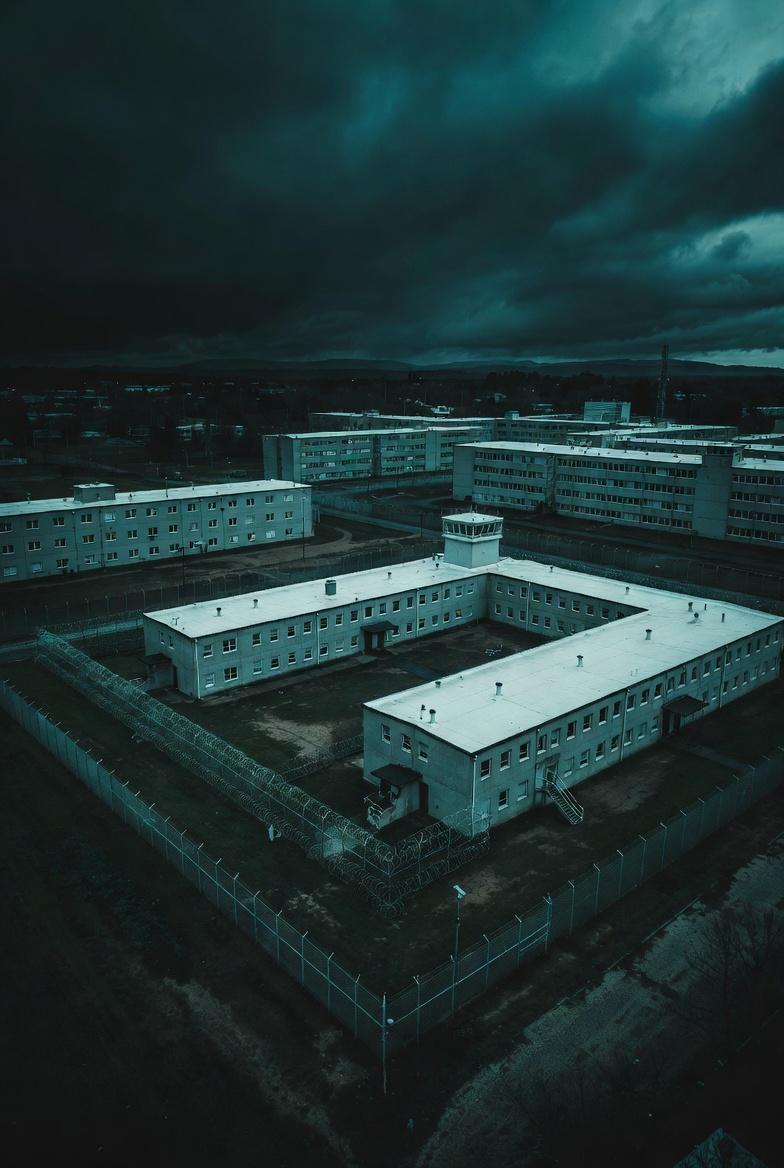
The Correctional Training Facility, commonly known as CTF or Soledad, is a medium-security state prison for adult male offenders operated by the California Department of Corrections and Rehabilitation. Despite references to San José in some records, the facility is actually located in Soledad, California, in Monterey County along Highway 101 North. The prison is part of California's extensive correctional system and houses men convicted of various offenses requiring medium-security custody levels.
Families seeking information about inmates at CTF can conduct searches through the CDCR's official inmate locator system. The facility accepts correspondence at its Soledad mailing address and offers visitation opportunities for approved family members and friends. Understanding the facility's procedures for sending money, scheduling visits, and maintaining contact can help families stay connected with their incarcerated loved ones.
The Correctional Training Facility is distinctive within the California prison system for being one of the older institutions in the CDCR network located in the Salinas Valley region. The facility's location in Soledad has made it a central correctional institution for the Monterey County area and surrounding regions. The prison's medium-security classification allows for a broader range of programs and privileges compared to maximum-security facilities, while still maintaining appropriate security protocols. The facility's emphasis on training and rehabilitation programs, as reflected in its name, has historically focused on preparing inmates for eventual release through vocational education and work assignments that develop practical job skills applicable to civilian employment.
The Correctional Training Facility houses adult male inmates classified at the medium-security level within the California corrections system. The population includes individuals convicted of a range of felony offenses, from property crimes and drug-related convictions to more serious violent offenses that don't require maximum-security housing. All inmates at CTF are sentenced prisoners who have completed their classification process and been assigned to this facility based on their custody level, programming needs, and available bed space. The facility does not house pre-trial detainees, as those individuals remain in county jail facilities. CTF's population may include inmates participating in various rehabilitation programs, those working toward educational goals, and individuals preparing for parole consideration or eventual release back into their communities.
Inmates at the Correctional Training Facility are housed in a combination of dormitory-style housing units and traditional cell blocks appropriate for medium-security custody. The facility provides three daily meals prepared according to nutritional standards set by the CDCR and accommodates religious and medical dietary requirements. Recreation opportunities include access to outdoor yards during designated times, where inmates can participate in sports, exercise, and socialization within security guidelines. Medical services are available through on-site healthcare staff who address routine medical needs, chronic care management, and emergency situations. Mental health services include crisis intervention, counseling, and psychiatric care for inmates with diagnosed conditions.
The facility operates under CDCR policies that allow inmates to file grievances through an established administrative process when they have concerns about their treatment, living conditions, or facility operations. Inmates have access to the law library to research legal matters and prepare documents related to their cases. Personal property allowances permit inmates to possess approved items within their housing areas, including clothing, hygiene products, and limited personal effects purchased through the prison canteen system.
The Correctional Training Facility offers educational programs designed to help inmates improve their academic skills and earn credentials. GED preparation classes are available for those without high school diplomas, and adult basic education serves inmates needing foundational literacy and numeracy instruction. Vocational training programs provide hands-on instruction in trades that can lead to employment after release, though specific offerings may vary based on facility resources and instructor availability. Substance abuse treatment programs address addiction issues through group counseling, therapeutic communities, and recovery support groups. Religious services and spiritual programming are provided for multiple faith traditions, with chaplains and volunteer clergy conducting services and study groups. Re-entry programs help inmates prepare for release by covering topics such as job searching, housing resources, family reunification, and community support systems that can assist with successful reintegration.
Work assignments at the Correctional Training Facility provide inmates with opportunities to develop employment skills while maintaining facility operations. Inside job assignments include positions in food services, facility maintenance, janitorial services, laundry operations, and clerical support roles. These positions teach responsibility, time management, and vocational skills applicable to civilian employment. Some inmates may qualify for prison industry assignments that involve manufacturing or production work, which typically offers slightly higher wages than standard institutional jobs. Work assignments are made based on custody level, behavior record, skills, and facility needs. Inmates who maintain good work performance records may receive positive reports for parole consideration and gain valuable experience that can help with post-release employment prospects.
The Correctional Training Facility has been part of California's state prison system for decades, though specific founding details are not definitively documented in available records. The facility was established during a period when California was expanding its correctional infrastructure to address growing inmate populations and the need for medium-security housing. Located in Soledad along Highway 101, the prison has served the California Department of Corrections through various administrative changes, including the system's reorganization into the California Department of Corrections and Rehabilitation. Over the years, the facility has undergone modifications and updates to meet evolving standards for correctional operations, safety, and inmate services. Today, CTF continues to function as a medium-security institution within the CDCR system, housing male inmates and providing programs aimed at rehabilitation and preparation for eventual release.
Visitation at the Correctional Training Facility is available to approved visitors who have completed the application process required by the CDCR. All visitors must provide valid government-issued photo identification and may be subject to background checks before approval. The facility enforces a dress code prohibiting revealing clothing, gang-related items, and attire that resembles inmate or staff uniforms. Visitors should avoid wearing clothing colors that match inmate uniforms. Scheduling procedures and visiting hours vary, so families should contact the facility directly before planning a visit to confirm current procedures and times. Processing time for visitor applications can take several weeks, so families should apply well in advance of planned visits. Visitors must follow all security procedures, which may include searches and metal detector screening before entering the facility.
To send mail to an inmate at the Correctional Training Facility, address correspondence with the inmate's full name and CDCR identification number, followed by the facility's mailing address: PO Box 688, Soledad, CA 93960-0686. All incoming mail is subject to inspection according to CDCR policy. Inmates can receive books and magazines only when sent directly from approved vendors or publishers. Families can set up telephone accounts through the CDCR's approved phone service provider, allowing inmates to make collect or prepaid calls during designated times. Some facilities in the California system offer email and electronic messaging services, though availability varies by institution. Families should verify current communication options and any associated costs directly with the facility.
Sponsored and Powered by our Partner TruthFinder
Quick Facts
Should I Be Concerned? — Family Guide
CDCR - Correctional Training Facility (CTF) maintains a medium-security classification with zero reported staff assaults, indicating a relatively stable and secure environment. The facility prioritizes inmate management and visitor safety through standard security procedures. When visiting, expect standard security screening, allow extra time for entry processing, and follow all posted facility rules to ensure a safe visit.
Neighborhood & Getting There
CTF is located in Soledad along Highway 101 North in Monterey County, approximately 90 miles south of San Jose and 120 miles north of Los Angeles. The facility sits in a rural region of California's Central Coast. Visitors should plan 2-3 hours driving time from San Jose. Nearby lodging options are limited; most visitors stay in Salinas (30 miles north) where hotels and highway services are readily available along US-101.