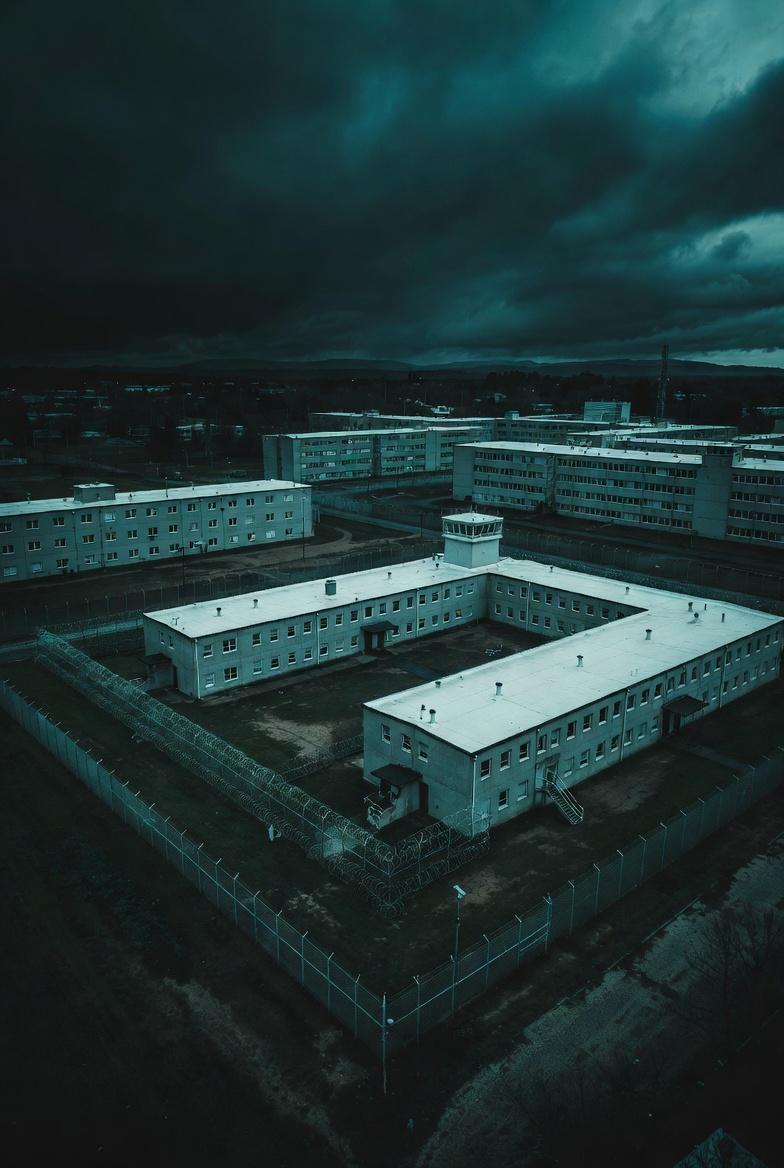
CDCR - Chamberlain Creek Adult Conservation (Fire) Camp #17
State Prison | California County — California
Chamberlain Creek Adult Conservation Fire Camp #17 is a medium-security facility operated by the California Department of Corrections and Rehabilitation located at 15800 Highway 20 in Fort Bragg, Mendocino County, California. This conservation camp houses male inmates who have been selected to participate in wildland firefighting and emergency response programs. The facility operates as part of California's extensive conservation camp system, which partners with the California Department of Forestry and Fire Protection.
Families seeking information about inmates at Chamberlain Creek can use online inmate locator tools through the CDCR website. Visiting arrangements, sending money to inmate accounts, and accessing arrest records require advance planning and adherence to specific departmental regulations for conservation camps.
Chamberlain Creek Fire Camp #17 distinguishes itself as part of California's unique conservation camp program, where eligible inmates receive specialized training in wildland firefighting, disaster response, and conservation work. Unlike traditional correctional facilities, this camp emphasizes outdoor work assignments and emergency response capabilities. Inmates stationed here work alongside CAL FIRE professionals during wildfire seasons and participate in year-round conservation projects throughout Mendocino County. The camp's location in Fort Bragg places it strategically in a region prone to wildfires, making it a critical resource for California's firefighting infrastructure. This model offers inmates valuable skills, reduced custody levels, and opportunities for earlier release consideration.
Chamberlain Creek Fire Camp #17 houses a carefully selected population of male inmates who meet specific eligibility criteria for conservation camp placement. Inmates assigned here typically have minimum-security or medium-security classifications with no history of violent crimes, arson, sexual offenses, or escape attempts. Most residents are serving sentences for non-violent property crimes, drug offenses, or other offenses that don't disqualify them from firefighting duties. All inmates must be physically fit, medically cleared for strenuous outdoor work, and within a certain timeframe from their release date. The population is entirely sentenced inmates who have volunteered for the program, as conservation camp placement requires consent and commitment to the rigorous physical demands of wildland firefighting and conservation work.
Living conditions at Chamberlain Creek Fire Camp #17 differ significantly from traditional prison settings, reflecting the camp's mission-oriented environment. Inmates reside in dormitory-style barracks or housing units designed to accommodate firefighting crews, with less restrictive security measures than typical correctional facilities. The daily schedule revolves around physical training, firefighting preparation, and conservation work assignments. Meals are provided to meet the nutritional needs of inmates engaged in physically demanding labor, with higher caloric content during active fire seasons. Recreation opportunities exist during non-working hours, though the work itself provides substantial physical activity. Medical services are available on-site for routine care, with more serious conditions requiring transport to regional facilities. Mental health services are accessible through CDCR protocols. The grievance process follows standard CDCR procedures, allowing inmates to formally address concerns about living conditions, work assignments, or staff interactions through written appeals reviewed by camp administration and departmental oversight.
Programs at Chamberlain Creek Fire Camp #17 center on firefighting training, emergency response skills, and conservation education. Inmates receive extensive instruction from CAL FIRE personnel in wildland firefighting techniques, fire behavior, equipment operation, and safety protocols. The primary vocational training involves chainsaw operation, hand tool proficiency, and wilderness survival skills applicable to post-release employment in forestry and fire services. While traditional educational programs like GED classes may be limited compared to larger facilities, inmates gain certifications in firefighting and emergency response recognized by employers. Substance abuse programming is available through CDCR's established curriculum, addressing addiction issues that contributed to criminal behavior. Religious services and counseling occur regularly through visiting chaplains and volunteers. Re-entry programs focus on translating firefighting experience into civilian employment opportunities, with some former conservation camp participants finding careers in forestry, landscaping, and emergency services upon release.
Work assignments at Chamberlain Creek Fire Camp #17 primarily involve wildland firefighting and conservation projects throughout Mendocino County and surrounding regions. During fire season, inmates deploy as hand crews to active wildfires across California, constructing fire lines, clearing brush, and supporting professional firefighters. Outside fire season, crews engage in fuel reduction projects, trail maintenance, forest thinning, erosion control, and habitat restoration work on public lands. Inside the camp, inmates maintain facilities, prepare equipment, and handle kitchen and administrative duties. This work provides valuable experience, physical conditioning, and potential job skills for post-release employment in outdoor industries.
The California conservation camp system, of which Chamberlain Creek Fire Camp #17 is part, originated in the 1940s through partnership between the California Department of Corrections and the Division of Forestry. These camps were established to provide trained labor for wildfire suppression and conservation work while offering inmates opportunities for reduced custody and skill development. Chamberlain Creek's specific establishment date in the Fort Bragg area reflects California's recognition of Mendocino County's fire risk and conservation needs. Over the decades, the camp has evolved with improved training standards, modernized facilities, and enhanced safety protocols. Conservation camps faced scrutiny during major fire seasons when inmate crews played crucial roles in protecting communities. The program has demonstrated success in rehabilitation, with many former participants avoiding recidivism. Today, Chamberlain Creek continues serving as a vital resource for California's emergency response infrastructure while providing inmates a pathway toward successful reintegration.
Visitation at Chamberlain Creek Fire Camp #17 operates under CDCR conservation camp guidelines, which typically allow more flexible visiting arrangements than traditional prisons. Visitors must bring valid government-issued photo identification and undergo approval processes before their first visit. Dress code requirements prohibit clothing resembling inmate attire or overly revealing garments. The visitor approval process requires background checks, which can take several weeks to complete. Scheduling visits may require advance notification, particularly during fire season when crews may be deployed away from the facility. Families should expect standard security procedures including sign-in protocols and possible searches. Because conservation camps have unique operational demands and deployment schedules, families should contact the facility directly before traveling to confirm visiting hours and inmate availability.
To send mail to an inmate at Chamberlain Creek Fire Camp #17, address correspondence with the inmate's full name, CDCR identification number, and facility address: 15800 Highway 20, Fort Bragg, CA 95437. All incoming mail undergoes inspection for contraband and prohibited items. Books and magazines must come directly from approved vendors or publishers to be accepted. Inmates can make phone calls using approved phone account systems, which families can fund through CDCR-contracted providers. Phone accounts require advance setup and funding by family members. Email and electronic messaging services may be available through CDCR's approved vendors, though availability varies. Families should verify current communication options and provider information through official CDCR resources.
Sponsored and Powered by our Partner TruthFinder
Quick Facts
Should I Be Concerned? — Family Guide
This Medium security fire camp maintains a strong operational safety record with zero reported staff assaults. The specialized conservation program typically involves lower-risk, work-capable inmates selected for fire suppression duties. Visit safety is reasonable given the security classification and established inmate work assignments. Confirm visiting eligibility and hours before traveling, as fire camp schedules may vary with seasonal firefighting demands.
Neighborhood & Getting There
Located in Fort Bragg on the Mendocino Coast, approximately 150 miles north of San Francisco (3-hour drive). The facility sits in rural Northern California surrounded by redwood forests and coastal terrain. Fort Bragg offers limited lodging options including small hotels and motels along Highway 1. Visitors should plan for a scenic but lengthy drive; the nearest significant airport is in San Francisco. Local amenities are modest; services are concentrated in Fort Bragg's downtown area.