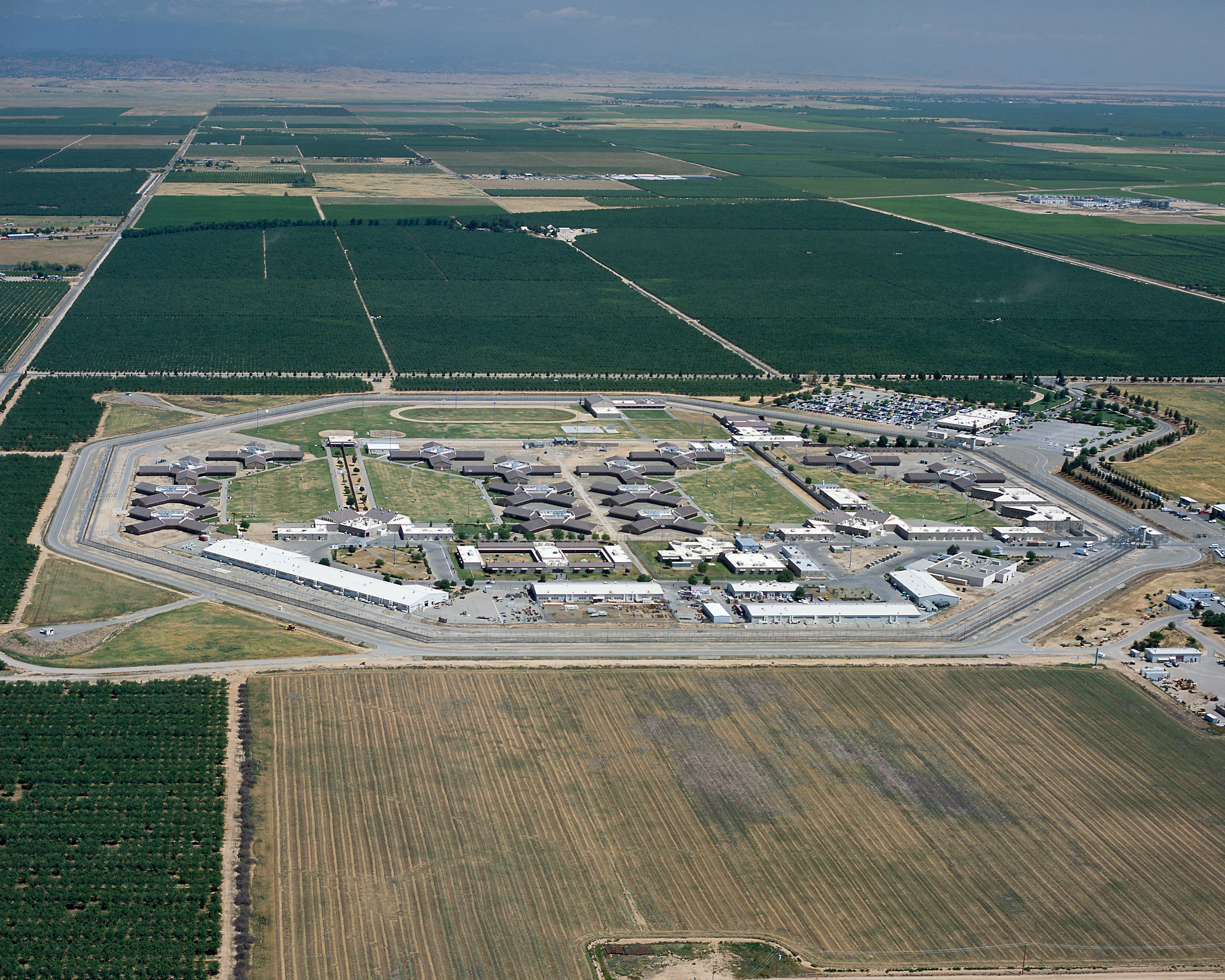
Central California Women's Facility (CCWF)
State Prison | Madera County — California | California Department of Corrections and Rehabilitation
Central California Women's Facility, located at 23370 Road 22 in Chowchilla, Madera County, California, is operated by the California Department of Corrections and Rehabilitation. Established in 1990, CCWF serves as one of California's primary women's correctional institutions, housing female offenders across minimum, medium, and maximum security levels. Under the leadership of Warden Derral Adams, the facility currently houses 3,676 inmates despite a design capacity of 2,004, making it significantly overcrowded.
Families seeking information about incarcerated loved ones at CCWF can search inmate records through the California Department of Corrections locator system. The facility provides multiple ways for families to maintain contact, including regular visitation, phone privileges, and mail correspondence. Information about sending money to inmates, scheduling visits, and accessing arrest records can help families stay connected during the incarceration period.
Central California Women's Facility stands as California's largest women's prison facility and one of the largest female correctional institutions in the United States. Located in the rural Central Valley community of Chowchilla, CCWF is part of a corrections complex that includes the adjacent Valley State Prison. The facility's size and multi-level security classification system allow it to house women with diverse security needs and offense histories under one administrative umbrella. Operating at nearly double its intended capacity, CCWF represents a significant component of California's response to female incarceration, providing comprehensive services from intake and classification to long-term housing for women serving sentences ranging from short-term to life imprisonment.
CCWF houses 3,676 female inmates convicted of crimes ranging from non-violent property offenses to serious violent felonies. The population includes women classified across three security levels: minimum security inmates who demonstrate low risk, medium security offenders requiring moderate supervision, and maximum security prisoners convicted of serious crimes or presenting management challenges. Most inmates at CCWF are sentenced offenders serving determinate or indeterminate terms rather than pre-trial detainees. The facility maintains specialized housing units for vulnerable populations, including older adults, inmates with mobility limitations, and those requiring protective custody. CCWF also houses inmates participating in reception and classification processes before potential transfer to other California women's facilities, though many remain at CCWF for the duration of their sentences.
Housing at Central California Women's Facility includes a combination of traditional cell blocks and dormitory-style housing units depending on security classification. Minimum security inmates typically reside in open dormitories with bunk beds, while medium and maximum security prisoners are housed in cells with more restrictive movement. Inmates receive three meals daily prepared in centralized kitchens, with special dietary accommodations available for medical or religious requirements. Recreation opportunities include outdoor yards with exercise equipment, indoor dayrooms, and designated times for physical activity based on housing unit and security level. Medical services are provided through on-site healthcare facilities staffed by physicians, nurses, and mental health professionals. Mental health programming addresses the significant psychological needs within the female population, including trauma-informed care and crisis intervention. Inmates can file grievances through the formal institutional appeals process when concerns about conditions, treatment, or rights violations arise.
CCWF offers educational programs including adult basic education, GED preparation, and post-secondary courses through correspondence programs. Vocational training provides job skills in areas such as office technology, building maintenance, and food service to improve employment prospects after release. Substance abuse treatment programs address the widespread addiction issues affecting the female inmate population, offering both group therapy and intensive residential treatment tracks. Religious services accommodate multiple faith traditions with volunteer chaplains and designated worship spaces. Pre-release and re-entry programs help inmates prepare for return to the community through life skills classes, parenting education, and connections to community resources. The facility also provides cognitive behavioral programming targeting criminal thinking patterns and decision-making skills to reduce recidivism risks.
Work assignments at CCWF include institutional support positions such as kitchen workers, janitorial staff, laundry operators, and facility maintenance crews. Inmates work in administrative offices performing clerical duties, in the library assisting with circulation and organization, and in warehouse operations managing supplies. Some inmates participate in Prison Industry Authority programs that provide job training while producing goods or services. Landscaping and grounds maintenance crews keep the extensive facility property maintained. These work assignments provide inmates with structure, work experience, and modest wages that can be used for commissary purchases or saved for release. Jobs are assigned based on security classification, behavior history, skills, and institutional needs.
Central California Women's Facility opened in October 1990 in response to growing numbers of incarcerated women in California's prison system during the expansion era of the late 1980s and early 1990s. The facility was constructed in Chowchilla alongside Valley State Prison as part of a larger corrections complex in the agricultural Central Valley region. CCWF was designed to consolidate female inmates from overcrowded facilities throughout California and provide comprehensive programming for women offenders. Over the decades, the facility has expanded beyond its original 2,004-inmate capacity to accommodate California's female prison population growth, resulting in significant overcrowding. The institution has experienced challenges related to healthcare adequacy, particularly following federal oversight of California prison medical systems. Today, CCWF continues serving as a cornerstone of California's women's corrections system under the California Department of Corrections and Rehabilitation.
Visiting at Central California Women's Facility requires prior approval through the California Department of Corrections visiting application process. All visitors age 18 and older must present valid government-issued photo identification, while minors must be accompanied by approved adults and provide birth certificates. Dress code regulations prohibit clothing that resembles inmate attire, revealing clothing, and certain colors specified by institutional policy. Visitors should avoid wearing excessive jewelry or bringing prohibited items. Visitation schedules vary by housing unit and security level, with specific days and times assigned. Families should contact CCWF in advance at the facility mailing address to confirm current visiting hours, obtain applications, and verify any policy changes before traveling to Chowchilla, as rules and schedules can change.
Mail should be addressed with the inmate's full legal name, CDCR number, and facility address: Central California Women's Facility, PO Box 1508, Chowchilla, CA 93610-1501. All incoming mail is inspected for contraband and must follow California Department of Corrections regulations regarding acceptable content. Books and publications must be sent directly from approved vendors, publishers, or bookstores rather than individuals. Inmates can receive phone privileges to call approved numbers, with families responsible for establishing prepaid phone accounts or accepting collect calls. Costs for phone services vary by provider. Families should verify current procedures for electronic messaging or email systems, as these services may be available through contracted vendors.
Sponsored and Powered by our Partner TruthFinder
Quick Facts
Should I Be Concerned? — Family Guide
CCWF operates across all security levels with zero reported staff assaults, indicating a relatively stable safety environment. However, the facility's severe overcrowding at 183% capacity presents challenges for security management and inmate services. Visitors should expect thorough security screening and follow all posted guidelines strictly. Call ahead to confirm visiting schedules and bring valid identification to ensure smooth entry and a safe visit.
Neighborhood & Getting There
Central California Women's Facility is located in Chowchilla, a rural community in Madera County in the San Joaquin Valley, approximately 150 miles north of Los Angeles and 200 miles south of the Bay Area. The nearest major city is Fresno, about 30 miles away with regional airport access. Chowchilla is primarily agricultural with limited lodging; most visitors stay in Fresno or Visalia. Highway 99 provides direct access, making the facility roughly 3-4 hours from major metro areas.