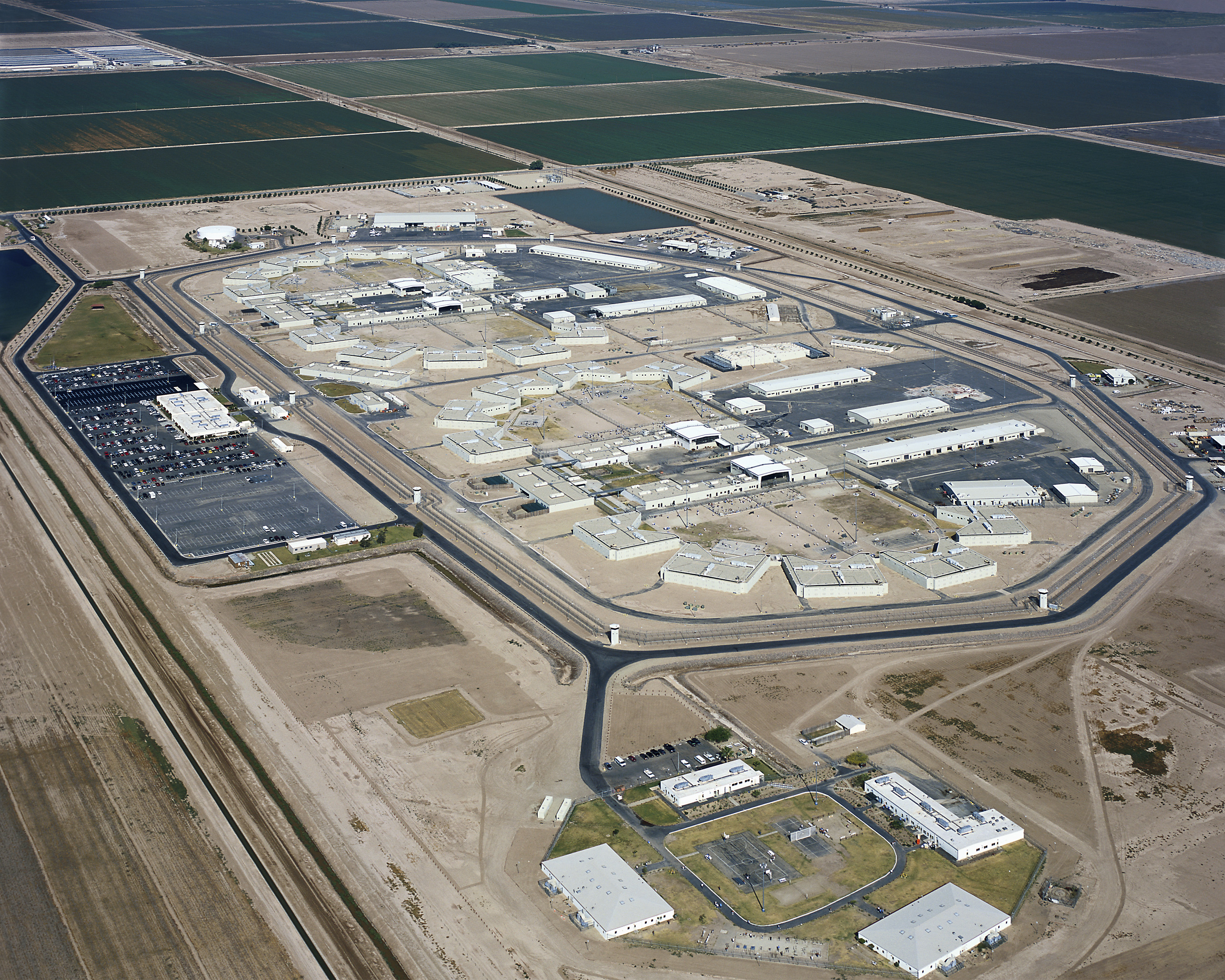
Calipatria State Prison (CAL)
State Prison | Imperial County — California | California Department of Corrections and Rehabilitation
Calipatria State Prison (CAL) is a California Department of Corrections and Rehabilitation facility located at 7018 Blair Road in Calipatria, Imperial County. Established in 1992, this institution operates at multiple security levels including minimum, medium, and maximum custody for male and female inmates. The facility currently houses 3,464 inmates despite having a design capacity of 2,308, making it significantly overcrowded. Warden Warren L. Montgomery oversees operations at this desert prison in southeastern California.
Families seeking information about incarcerated loved ones can search inmate records through the California Department of Corrections system. JailData.com provides tools to help families locate inmates, understand visitation procedures, send money, and access arrest records. Understanding the specific rules and regulations at Calipatria State Prison helps families maintain meaningful connections with inmates during their incarceration.
Calipatria State Prison holds the distinction of being one of the lowest-elevation prisons in the United States, situated 184 feet below sea level in the Imperial Valley desert. The facility's location in this extreme environment creates unique challenges, with summer temperatures regularly exceeding 110 degrees Fahrenheit. The prison's remote desert setting, approximately 150 miles east of San Diego and near the Salton Sea, makes it geographically isolated from major California population centers. This isolation serves security purposes but presents challenges for family visitation. The facility's construction in the early 1990s represented California's prison expansion during that era, designed to address the state's growing incarceration needs with modern correctional infrastructure adapted to harsh desert conditions.
Calipatria State Prison houses a diverse inmate population across its minimum, medium, and maximum security levels, accommodating both male and female offenders. The facility primarily holds sentenced inmates serving various terms for felony convictions, ranging from property crimes to violent offenses. Maximum security sections house inmates classified as higher security risks, including those with institutional disciplinary issues or serious criminal histories. The medium security population represents the largest segment, consisting of inmates who require structured supervision but have demonstrated relatively stable institutional behavior. Minimum security inmates may participate in expanded work and program opportunities. The prison's population of 3,464 inmates significantly exceeds its 2,308 design capacity, reflecting California's ongoing prison overcrowding challenges despite recent reform efforts aimed at reducing the state's incarcerated population through realignment and early release programs.
Inmates at Calipatria State Prison reside in housing units appropriate to their security classification, ranging from dormitory-style settings for minimum security to double-bunked cells in medium and maximum security areas. Due to overcrowding, many inmates are double-celled in spaces originally designed for single occupancy. The facility provides three daily meals prepared in central kitchens and served in dining halls or delivered to housing units depending on security level. Recreational opportunities include outdoor exercise yards when temperatures permit, though the extreme desert heat limits outdoor activities during summer months. Indoor recreation areas and dayrooms provide alternatives during high-temperature periods. Medical services are available through the prison's health clinic, with more serious cases referred to outside facilities. Mental health services include counseling and psychiatric care for inmates with diagnosed conditions. The facility operates a formal grievance system allowing inmates to address concerns about living conditions, staff interactions, or facility operations through documented administrative channels reviewed by correctional administrators.
Calipatria State Prison offers educational programs including adult basic education and GED preparation for inmates seeking to complete their high school equivalency. The facility provides vocational training in various trades designed to improve employment prospects upon release, with programs adapted to the prison's operational needs and available resources. Substance abuse treatment programs address addiction issues through group counseling and educational sessions, recognizing that many inmates struggle with drug and alcohol dependencies. Religious services accommodate multiple faiths with chapel services, volunteer clergy visits, and religious study groups. The prison implements pre-release and re-entry programs helping inmates prepare for parole through life skills training, job readiness workshops, and transition planning. Program participation depends on security classification, institutional behavior, and available space, with inmates demonstrating good conduct receiving priority access to limited program slots.
Inmates at Calipatria State Prison participate in various work assignments that maintain facility operations while providing job skills and reducing idleness. Inside job assignments include kitchen work preparing and serving meals, janitorial duties maintaining housing units and common areas, laundry operations, and facility maintenance tasks. Inmates may work in the library, commissary, or administrative support roles depending on qualifications and security clearance. Outside work crews handle groundskeeping, landscaping, and maintenance of the prison's exterior areas under staff supervision. These work assignments provide inmates with modest wages credited to their institutional accounts while teaching work habits and responsibility valuable for post-release employment.
Calipatria State Prison opened in 1992 during a significant expansion period of California's correctional system driven by increasing incarceration rates and tough-on-crime policies of the 1980s and 1990s. The facility was constructed in Imperial County's agricultural region to house the state's growing prison population, with the remote desert location chosen partly for available land and economic development opportunities for the rural community. The prison was built with modern correctional design incorporating multiple security levels within one facility. Over three decades of operation, Calipatria has maintained its role as a significant institution within California's prison system, housing thousands of inmates despite ongoing debates about prison overcrowding and criminal justice reform. The facility has adapted to changing correctional philosophies while maintaining security in its challenging desert environment. Today, under Warden Warren L. Montgomery's leadership, Calipatria continues serving as a major California Department of Corrections institution.
Visiting an inmate at Calipatria State Prison requires prior approval through the California Department of Corrections visitor application process. All visitors must present valid government-issued photo identification and undergo security screening upon arrival. The facility enforces strict dress code requirements prohibiting revealing clothing, specific colors, and items that resemble inmate attire. Visitors should review the detailed dress code guidelines before traveling to avoid being denied entry. Visitation scheduling depends on the inmate's housing unit and security level, with specific days and times assigned. The remote desert location requires significant travel planning for most families. Due to the facility's distance from major cities and extreme heat conditions, families should plan accordingly and verify current visitation procedures by calling ahead to confirm schedules, rules, and any temporary restrictions before making the trip to Calipatria.
To send mail to an inmate at Calipatria State Prison, address correspondence with the inmate's full name, CDCR number, and facility mailing address: PO Box 5001, Calipatria, CA 92233-5002. All incoming mail undergoes inspection according to institutional security procedures. Inmates can receive books and publications only from approved vendors that ship directly to the facility. Families can set up prepaid telephone accounts allowing inmates to make collect or prepaid calls according to the facility's phone system policies. Money transfers to inmate trust accounts can be arranged through approved methods including money orders and electronic transfer services. Families should verify current policies regarding acceptable mail content and approved vendors before sending items to ensure compliance with institutional regulations.
Sponsored and Powered by our Partner TruthFinder
Quick Facts
Should I Be Concerned? — Family Guide
Calipatria State Prison maintains three security levels with zero reported staff assaults, indicating effective safety management despite overcrowding at 150% capacity. The facility's multi-level classification system allows appropriate housing based on inmate risk. When visiting, arrive during designated hours, follow all security protocols, and expect standard screening procedures at this medium to maximum security institution.
Neighborhood & Getting There
Calipatria State Prison is located in Imperial County in California's far southeastern desert region, approximately 120 miles southeast of San Diego and 200 miles east of Los Angeles. The remote agricultural community of Calipatria sits near the Salton Sea, with limited urban amenities. Visitors should plan for a rural desert drive with accommodations primarily in nearby El Centro (30 minutes away), accessible via Highway 111. Gas stations and basic services are sparse in the immediate area.