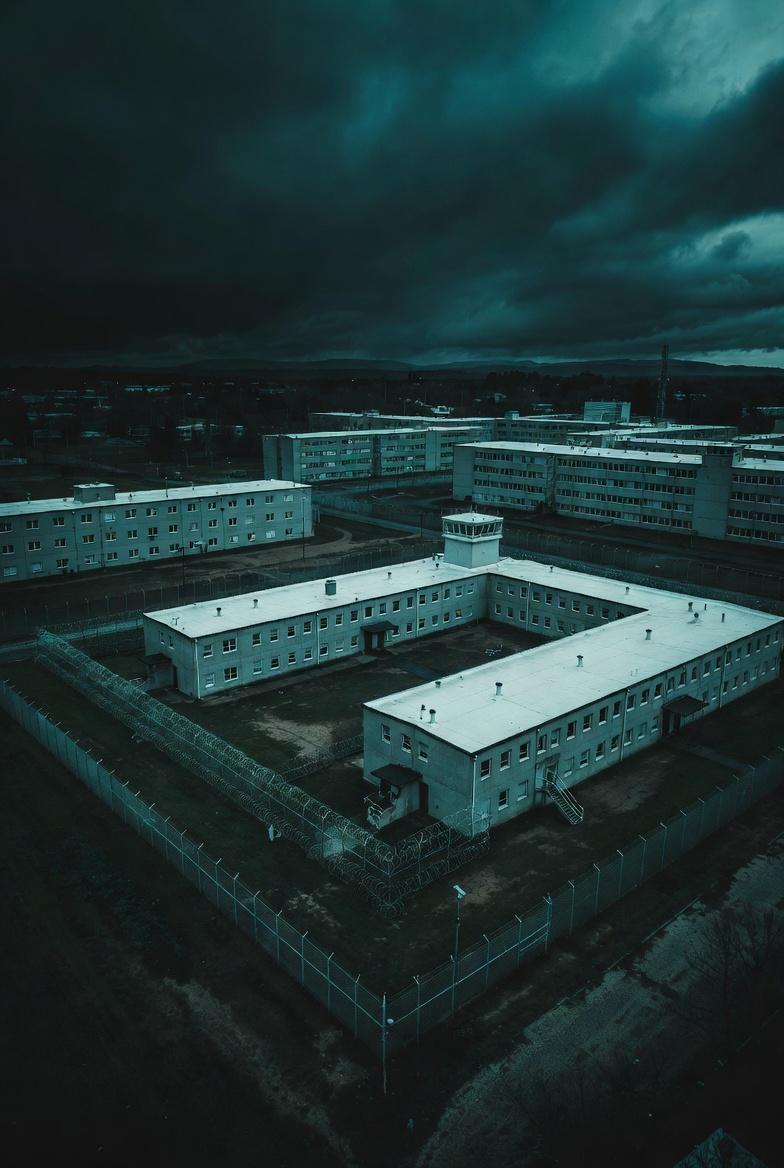
CDCR - California State Prison - Centinela (CEN)
State Prison | California County — California
California State Prison - Centinela (CEN) is a medium-security state correctional facility located in Imperial, California, within Imperial County. Operated by the California Department of Corrections and Rehabilitation (CDCR), this facility houses adult male inmates serving state sentences. The prison sits on Brown Road in Imperial, a small city in California's southeastern corner near the Mexican border and approximately 90 miles east of San Diego.
Families seeking information about inmates at Centinela can use the CDCR inmate locator system to verify housing assignments and inmate identification numbers. This information is essential for sending money, scheduling visits, and maintaining contact through approved communication channels. Understanding facility-specific procedures helps families navigate the challenges of supporting incarcerated loved ones.
California State Prison - Centinela's most distinctive characteristic is its location in Imperial County, one of California's most remote and extreme climate regions. The facility operates in the Imperial Valley, where summer temperatures regularly exceed 110 degrees Fahrenheit, creating unique challenges for inmates and staff alike. This desert environment, combined with the prison's proximity to the international border, has shaped operational procedures and security protocols. The isolated location means families often travel considerable distances for visitation, with many coming from Southern California metropolitan areas. The extreme heat influences daily schedules, recreation times, and housing unit operations throughout much of the year.
California State Prison - Centinela houses medium-security adult male inmates who have been classified based on custody level, criminal history, and institutional behavior. The facility's population includes inmates serving sentences for various felony convictions under California law. As a medium-security institution, Centinela typically houses inmates who require more supervision than minimum-security facilities but do not present the highest security risks. The classification process considers factors including sentence length, offense type, prior institutional conduct, and program participation needs. Inmates at Centinela are serving state sentences rather than awaiting trial, distinguishing state prison populations from county jail populations. The facility may house general population inmates as well as those participating in specialized programming based on their rehabilitation needs.
California State Prison - Centinela provides housing in a variety of configurations designed for medium-security custody. Inmates typically reside in cells or dormitory-style housing units depending on their classification level and available space. Daily routines include structured meal times in dining halls, with menus meeting nutritional standards established by CDCR. Recreation opportunities include outdoor yards when weather permits, though extreme summer heat often necessitates modified schedules to protect inmate health. Indoor recreation areas provide alternatives during temperature extremes.
Medical services are available through on-site health care staff who address routine and urgent medical needs, with more specialized care provided through outside medical facilities when necessary. Mental health services include counseling, psychiatric care, and crisis intervention for inmates requiring psychological support. The facility operates under CDCR's grievance system, allowing inmates to formally address concerns about conditions, staff conduct, or policy violations through established administrative channels. This process provides oversight and accountability within the institution.
California State Prison - Centinela offers educational programming designed to improve inmate outcomes upon release. Academic programs include GED preparation and adult basic education for inmates seeking to complete their high school equivalency. Vocational training opportunities provide inmates with marketable job skills in various trades, helping prepare them for employment after incarceration. Substance abuse treatment programs address addiction issues that often contribute to criminal behavior, offering counseling and therapeutic interventions.
Religious and spiritual services accommodate multiple faith traditions, with volunteer chaplains and community religious leaders providing worship services, counseling, and faith-based programming. Re-entry preparation programs help inmates develop release plans, including housing arrangements, employment connections, and community resource navigation. These programs aim to reduce recidivism by addressing the challenges inmates face when returning to their communities after serving their sentences.
Work assignments at California State Prison - Centinela provide inmates with job skills, institutional responsibilities, and modest compensation. Inside work assignments include food service positions in the dining halls, janitorial and maintenance duties keeping facilities clean and functional, laundry operations, and grounds keeping. These assignments help maintain daily institutional operations while teaching work habits and responsibility. Some inmates may qualify for positions in administrative support or facility maintenance trades. Work assignments are typically determined by custody level, institutional behavior, skills, and available positions. Compensation for inmate labor follows CDCR guidelines, with earnings available for canteen purchases, restitution payments, and savings for release.
California State Prison - Centinela was established as part of California's prison expansion during a period of growing incarceration rates. The facility's location in Imperial County reflected the state's need to distribute correctional facilities across diverse geographic regions, though this created challenges for families visiting from urban areas where most inmates originated. The Imperial Valley location provided available land for prison construction in a region with limited economic development alternatives. The name "Centinela" references the Spanish word for sentinel or guard, reflecting the facility's correctional mission.
Over the years, the prison has adapted to changing correctional philosophies, including increased emphasis on rehabilitation programming and re-entry preparation. The facility continues serving as a medium-security institution within the CDCR system, housing inmates from throughout California. Its remote desert location remains a defining characteristic affecting operations, staffing, and family connections.
Visitation at California State Prison - Centinela requires advance approval through CDCR's visitor application process. Prospective visitors must submit applications and undergo background checks before receiving approval status. All visitors must present valid government-issued photo identification upon arrival. Dress code requirements prohibit clothing that resembles inmate attire, overly revealing garments, or items that could pose security concerns. Specific visiting days and hours are assigned based on inmate housing units.
Families should confirm current visitation schedules, procedures, and any COVID-19 related modifications by contacting the facility directly before traveling. The remote Imperial location means many families face long drives, making advance confirmation essential. Visitors should arrive early to allow time for processing and security screening. Understanding and following all visitation rules ensures successful visits and maintains visiting privileges.
Mail sent to inmates at California State Prison - Centinela must include the inmate's full name, CDCR identification number, and the complete mailing address: PO Box 731, Imperial, CA 92251-0731. All incoming mail undergoes inspection for security purposes. Inmates may receive books and publications only from approved vendors who ship directly to the facility, not from individual senders. Telephone communication operates through prepaid or collect call systems, requiring families to establish accounts with approved telephone service providers.
These accounts allow inmates to make calls during designated phone access times. Families should verify current communication policies and available services, as options may include electronic messaging systems depending on CDCR's approved vendor contracts and facility implementation.
Sponsored and Powered by our Partner TruthFinder
Quick Facts
Should I Be Concerned? — Family Guide
As a medium-security facility with zero reported staff assaults, CDCR - California State Prison - Centinela (CEN) maintains a relatively stable safety profile. The facility emphasizes controlled operations and inmate programming, which generally supports safer conditions for both staff and visitors. When planning a visit, follow all CDCR visitation protocols, arrive early, bring valid identification, and familiarize yourself with current facility rules through the official CDCR website.
Neighborhood & Getting There
CDCR - California State Prison - Centinela (CEN) is located in Imperial, California, in the Imperial Valley region approximately 140 miles east of San Diego and 180 miles southeast of Los Angeles. The facility sits in rural Imperial County farmland with limited immediate commercial development. El Centro, the county seat, lies about 20 miles north and offers hotel accommodations and dining options. Highway 111 provides primary highway access. The nearest significant airport is in San Diego or Las Vegas, requiring 2-3 hour drives.