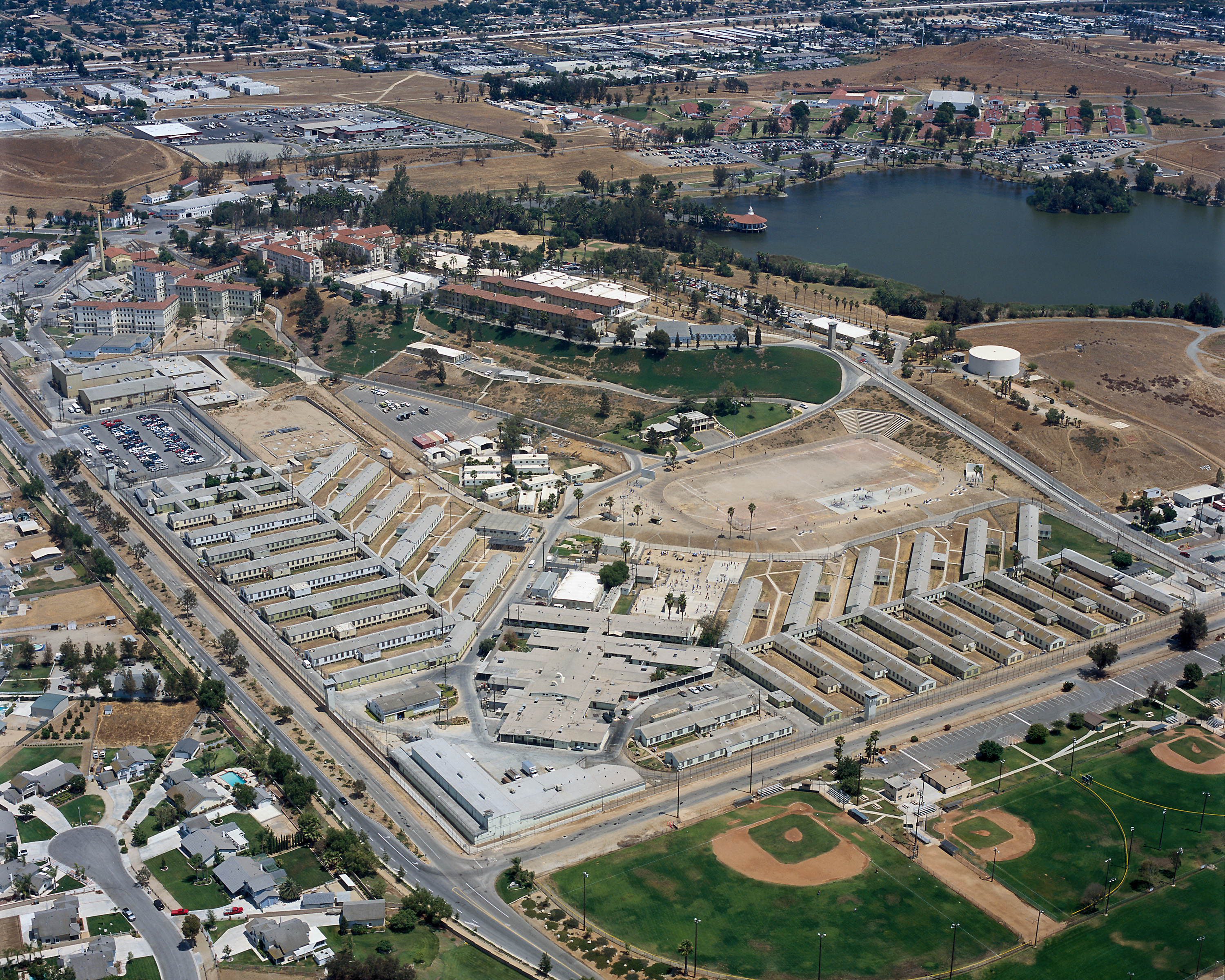
California Rehabilitation Center (CRC)
State Prison | Riverside County — California | California Department of Corrections and Rehabilitation
California Rehabilitation Center, commonly known as CRC, is a minimum-security correctional facility located in Norco, Riverside County, California. Operated by the California Department of Corrections and Rehabilitation, CRC exclusively houses adult male offenders. Originally designed to accommodate 2,491 inmates, the facility currently houses approximately 3,443 inmates, reflecting significant overcrowding common in California's prison system. The facility is situated at 5th Street and Western Avenue in Norco and has been under the leadership of Warden Cynthia Y. Tampkins.
Families seeking information about incarcerated individuals at CRC can conduct inmate searches through the California Department of Corrections website. Loved ones can send money to inmates, schedule visits, and access arrest records and booking information. Understanding facility-specific rules for mail, visitation, and phone calls helps families maintain crucial connections with their incarcerated family members during their time at California Rehabilitation Center.
California Rehabilitation Center is distinguished within the California prison system by its foundational mission as a rehabilitation-focused institution. Established during an era when California pioneered alternatives to traditional incarceration, CRC was originally conceived as a civil commitment facility primarily for individuals with substance abuse issues who were diverted from the criminal justice system. While its role has evolved over the decades to function as a standard minimum-security prison, the facility's name reflects its historical emphasis on treatment and recovery rather than purely punitive incarceration. This rehabilitative philosophy continues to influence programming priorities at CRC, with substance abuse treatment remaining a significant component of institutional services offered to the inmate population.
California Rehabilitation Center houses a minimum-security male population primarily consisting of inmates nearing the end of their sentences or those convicted of non-violent offenses. The inmate population includes individuals serving sentences for drug-related crimes, property offenses, and lower-level felonies. As a minimum-security facility, CRC does not house inmates with violent criminal histories or those requiring higher custody levels. The population includes both state prisoners and civil addicts, though the civil addict program has been significantly reduced from its historical prominence. Many inmates at CRC are participating in pre-release programming as they prepare for reintegration into society. The facility's overcrowding, with approximately 3,443 inmates in a space designed for 2,491, creates challenges for housing classification and program access throughout the institution.
Inmates at California Rehabilitation Center are housed in dormitory-style living units typical of minimum-security facilities, with open bays containing multiple bunks rather than individual cells. The overcrowded conditions mean many housing units exceed their intended capacity, affecting personal space and privacy. Inmates receive three meals daily prepared in institutional kitchens, with special accommodations available for medical or religious dietary requirements. Recreation opportunities include outdoor yards with exercise equipment, sports courts, and designated areas for physical activity during specified hours. The facility provides medical services through an on-site health clinic staffed by healthcare professionals who address routine medical needs, chronic care management, and emergency situations. Mental health services are available for inmates requiring psychological support, counseling, or psychiatric medication management. Inmates experiencing issues or grievances can file administrative appeals through the formal inmate grievance process, which allows them to address concerns regarding housing, healthcare, property, or staff interactions according to California Department of Corrections procedures.
California Rehabilitation Center offers educational programming including GED preparation and adult basic education classes for inmates seeking to improve their academic credentials. Vocational training programs provide skills development in various trades to enhance employment prospects upon release. Substance abuse treatment remains a cornerstone of programming at CRC, reflecting the facility's historical rehabilitation mission, with both group and individual counseling available. Religious services and faith-based programming accommodate multiple denominations, providing spiritual support and volunteer-led activities. Pre-release and reentry programs help inmates prepare for successful community reintegration by addressing housing resources, employment planning, identification documents, and family reunification. Life skills classes cover financial literacy, anger management, and interpersonal communication. Program availability and wait lists can be affected by the facility's overcrowding, requiring inmates to demonstrate good institutional behavior to access preferred programming opportunities.
Inmates at California Rehabilitation Center participate in various work assignments that support facility operations and provide job skills. Inside work assignments include positions in the kitchen preparing and serving meals, janitorial duties maintaining housing units and common areas, laundry operations, and facility maintenance tasks. Groundskeeping crews maintain the institution's landscaping and outdoor spaces. Some inmates work in administrative support roles assisting with clerical tasks. California Rehabilitation Center may also utilize inmates for limited community work crews performing labor on public projects outside the facility under supervision, consistent with its minimum-security designation. These work assignments provide structure, reduce idleness, and help inmates develop employment habits valuable for post-release success.
California Rehabilitation Center was established in 1962 during a progressive era in California corrections when the state pioneered alternative approaches to traditional incarceration. The facility was originally designed as a civil commitment center for individuals with narcotic addiction, reflecting California's innovative civil addict program that allowed courts to sentence drug offenders to treatment rather than prison. This approach represented a significant departure from purely punitive models and positioned CRC as a treatment-oriented institution. Over subsequent decades, as attitudes toward drug policy evolved and California's prison population exploded, CRC gradually transitioned to function more as a conventional minimum-security prison while retaining some rehabilitative programming. The facility has undergone various modifications and expansions to accommodate changing correctional needs. Today, California Rehabilitation Center serves as a minimum-security institution preparing inmates for community reentry while operating significantly above its designed capacity, reflecting broader challenges facing California's correctional system.
Visitation at California Rehabilitation Center requires advance approval through a visitor application process. Prospective visitors must complete appropriate forms and undergo background checks before receiving approval to visit. All visitors must present valid government-issued photo identification upon arrival. The facility enforces strict dress code requirements prohibiting revealing clothing, gang-related attire, and colors that resemble inmate clothing. Visitors should avoid wearing blue denim or clothing that could create confusion with institutional apparel. Personal belongings are restricted, and visitors typically may only bring essential items like car keys and small amounts of cash for vending machines in designated lockers. Visitation scheduling and hours vary, and the facility may implement modified schedules during holidays or institutional operations. Families should call the facility well in advance to confirm current visitation policies, verify their approval status, and understand specific requirements before traveling to CRC.
To send mail to an inmate at California Rehabilitation Center, properly address correspondence with the inmate's full legal name, CDCR identification number, and the facility address: PO Box 1841, Norco, CA 92860. All incoming mail is inspected for contraband and must comply with facility regulations prohibiting certain materials. Books, magazines, and publications must be sent directly from approved vendors or publishers rather than personal senders. Inmates can make outgoing phone calls using the facility's telephone system, which requires friends and family to establish prepaid accounts with the designated phone service provider. Phone privileges are monitored and recorded. Some facilities offer email or electronic messaging services through approved vendors, though families should verify current availability of these communication options directly with California Rehabilitation Center.
Sponsored and Powered by our Partner TruthFinder
Quick Facts
Should I Be Concerned? — Family Guide
California Rehabilitation Center maintains a minimum security classification with zero reported staff assaults, indicating a generally safe environment for visitors. The facility prioritizes rehabilitation programming, which contributes to a more stable atmosphere. However, the facility currently operates above designed capacity. When visiting, follow all security procedures, arrive during designated visiting hours, and maintain awareness of facility rules to ensure a safe experience.
Neighborhood & Getting There
California Rehabilitation Center is located in Norco, a community in western Riverside County, approximately 50 miles east of Los Angeles and 45 miles west of San Bernardino. The facility sits in a semi-rural area near the Santa Ana River. Norco is accessible via CA-91 and CA-60 freeways. Nearby lodging options are available in Corona (15 minutes west) and Riverside (30 minutes east), with various hotels near major highways. The area offers basic services and dining options for visiting families.