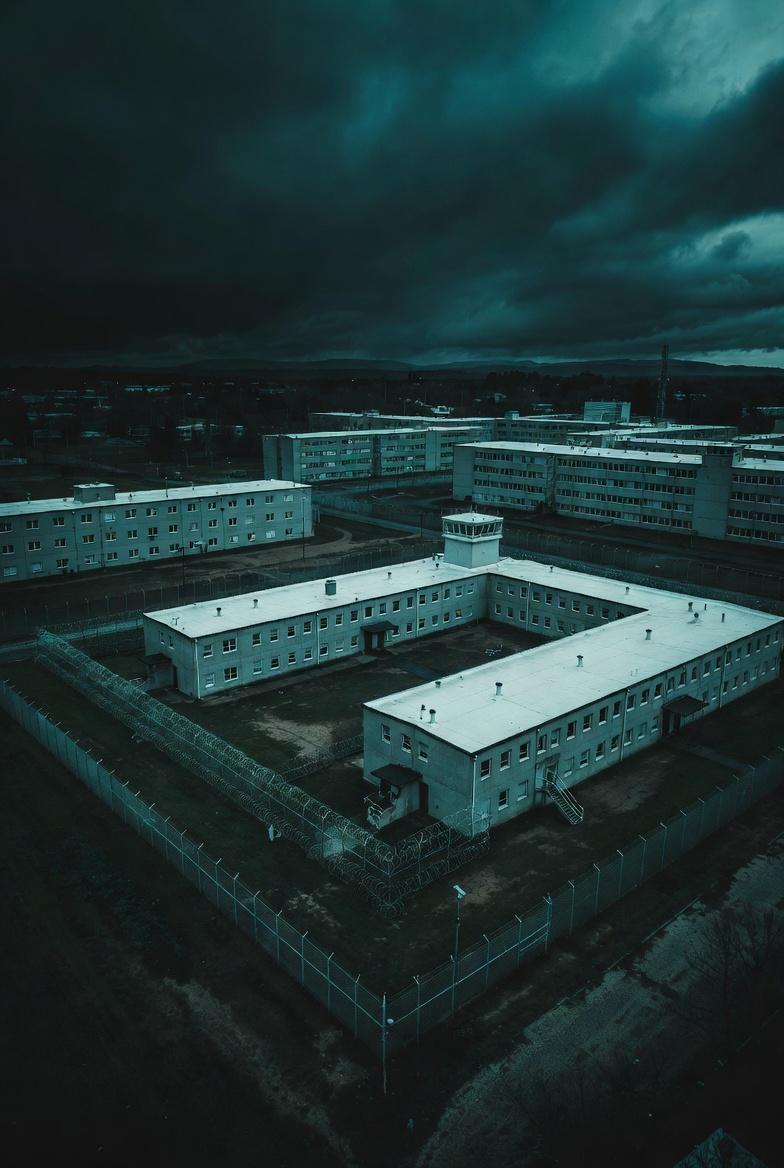
The California Medical Facility (CMF) is a medium-security state prison located at 1600 California Drive in Vacaville, Solano County, California. Operated by the California Department of Corrections and Rehabilitation (CDCR), CMF houses male inmates and serves as one of California's primary medical care facilities within the correctional system. The institution provides specialized healthcare services to inmates with significant medical needs throughout the state prison system.
Families seeking to locate an inmate at CMF can use the CDCR's online inmate locator system. The facility accepts funds through approved vendors for inmate accounts, processes visitation applications, and maintains records accessible to family members. Understanding CMF's medical focus helps families better navigate the unique aspects of maintaining contact with loved ones housed at this specialized facility.
What sets the California Medical Facility apart from other CDCR institutions is its primary mission as a medical care provider within the California prison system. CMF functions as a specialized healthcare facility designed to treat inmates with chronic medical conditions, serious illnesses, and those requiring ongoing medical supervision that cannot be adequately provided at standard correctional facilities. The institution operates with enhanced medical staffing, specialized equipment, and treatment programs that address complex healthcare needs. This medical emphasis influences every aspect of operations, from housing assignments based on medical requirements to daily schedules accommodating treatment regimens and medical appointments.
The California Medical Facility houses male inmates classified at medium-security levels who require specialized medical care. The population consists primarily of sentenced offenders serving time for various felony convictions while simultaneously managing significant health conditions. Unlike general population prisons, CMF's inmate classification prioritizes medical needs alongside security considerations. The facility serves inmates transferred from other CDCR institutions due to chronic illnesses, physical disabilities, or conditions requiring ongoing medical intervention. This specialized population may include inmates with cardiovascular disease, diabetes complications, cancer treatment needs, and other serious medical conditions. The medical focus means the population includes both younger inmates with severe health issues and older inmates experiencing age-related medical challenges requiring enhanced healthcare services.
Living conditions at the California Medical Facility are structured around the dual requirements of security and healthcare delivery. Inmates are housed in units configured to accommodate medical equipment and facilitate healthcare access. Housing assignments consider both security classification and medical needs, with some areas designated for inmates requiring closer medical monitoring. Meals are provided three times daily with dietary accommodations for medical conditions such as diabetes, heart disease, and other health-related nutritional requirements. Medical services form the core of daily operations, with inmates attending scheduled appointments, receiving medications, and participating in treatment programs. Mental health services are available given the psychological challenges of managing chronic illness while incarcerated. Recreation opportunities are adapted to accommodate physical limitations while encouraging appropriate activity levels. The grievance process allows inmates to address concerns about both custody issues and medical care quality. The facility maintains protocols balancing security requirements with the need for timely medical interventions and specialized care delivery.
Program offerings at the California Medical Facility are adapted to accommodate the medical needs of the inmate population. Educational programs including GED preparation and academic classes are available to inmates whose health status allows participation. Vocational training opportunities may be limited compared to general population prisons due to physical restrictions and medical requirements of the population. Substance abuse treatment programs address addiction issues while considering how they intersect with medical conditions. Religious services and spiritual counseling are provided, offering important support for inmates managing serious health challenges. Re-entry programs help prepare inmates for release while addressing the continuation of medical care in the community. Program participation is coordinated with medical treatment schedules, and healthcare providers may recommend or restrict certain activities based on individual medical status and treatment plans.
Work assignments at the California Medical Facility are structured around both institutional operations and the medical capabilities of the inmate population. Inside job assignments include facility maintenance, food service operations, laundry services, and clerical positions that keep the institution functioning. Given the medical focus, some inmates work in supportive healthcare roles under supervision, assisting with non-clinical tasks. Work assignments are carefully evaluated based on each inmate's physical abilities and medical restrictions, with healthcare providers involved in determining appropriate job placements. The medical nature of the population means fewer inmates participate in intensive labor compared to general population facilities, with assignments modified to accommodate health limitations while still providing productive activity.
The California Medical Facility has served as a cornerstone of medical care delivery within the California prison system for decades. Established in response to the need for centralized healthcare services for the state's growing prison population, CMF was designed specifically to address medical needs that exceeded the capacity of standard prison infirmaries. The facility's location in Vacaville positioned it within reasonable access to community medical resources while maintaining security requirements. Over the years, CMF has expanded its medical capabilities and adapted to changing healthcare standards and legal requirements regarding inmate medical care. The institution has evolved through various administrative changes, facility improvements, and expansions of medical services as healthcare needs within CDCR have grown more complex. Today, CMF continues its specialized role as a primary medical care provider, addressing the increasing healthcare demands of California's aging and medically complex inmate population.
Visiting an inmate at the California Medical Facility requires advance planning and approval. Potential visitors must complete the CDCR visitation application process and receive approval before scheduling a visit. All visitors must present valid government-issued photo identification upon arrival. The facility enforces a dress code that prohibits clothing resembling inmate attire, overly revealing garments, and certain colors or styles that may pose security concerns. Visitation schedules vary based on housing unit assignments and may be affected by medical treatments or health status. Visitors should expect standard security screening procedures including metal detectors and possible searches. Given the medical nature of the facility, visitation may occasionally be restricted due to health concerns or medical procedures. Families should call the facility ahead of planned visits to confirm current visitation policies, schedules, and any temporary restrictions.
To send mail to an inmate at the California Medical Facility, address correspondence with the inmate's full name and CDCR identification number, followed by PO Box 2000, Vacaville, CA 95696-2000. All incoming mail is subject to inspection according to CDCR regulations. Inmates can receive books and educational materials only when sent directly from approved vendors or publishers. Families can establish telephone accounts through CDCR's approved phone service provider, allowing inmates to make collect or prepaid calls. The facility participates in CDCR's approved communication systems. Money can be sent to inmate trust accounts through authorized vendors using the inmate's name and identification number. Families should verify current communication policies as procedures may change.
Sponsored and Powered by our Partner TruthFinder
Quick Facts
Should I Be Concerned? — Family Guide
As a medium-security medical facility, CMF maintains standard safety protocols for inmate and visitor populations. The facility's zero staff assaults on record is a positive indicator of current safety conditions. When visiting, expect standard security screening procedures, follow all facility rules, and maintain awareness of your surroundings during visits.
Neighborhood & Getting There
CMF is located in Vacaville, California, approximately 50 miles northeast of Sacramento and 75 miles northeast of San Francisco. The facility sits in Solano County's central region with convenient access via I-80. Vacaville offers several hotels, restaurants, and services along Highway 113 and I-80 corridors. The area is relatively rural with agricultural surroundings, making it important to plan travel time accordingly for visits from major metropolitan areas.