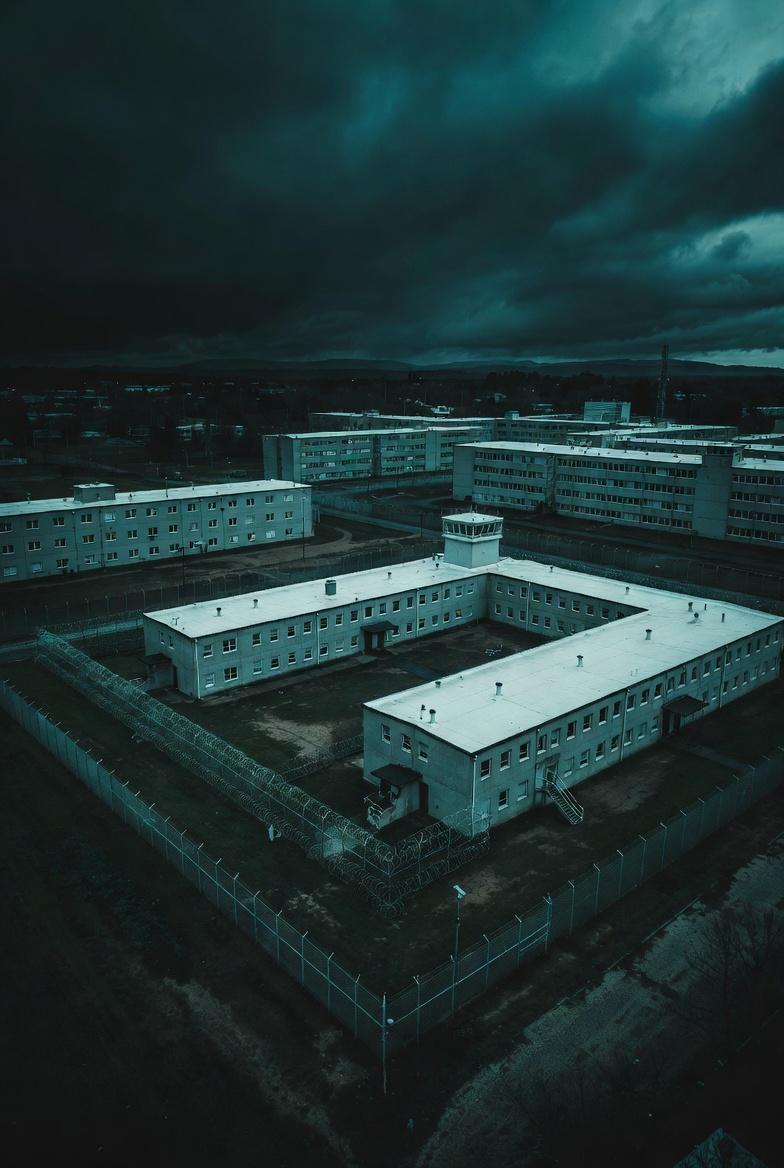
CDCR - Baseline Adult Conservation (Fire) Camp #30
State Prison | California County — California
CDCR - Baseline Adult Conservation (Fire) Camp #30 is a medium-security male conservation facility located in Jamestown, Tuolumne County, California. Operated by the California Department of Corrections and Rehabilitation, this fire camp is situated at 16809 New Peoria Flat Road in the Sierra Nevada foothills. The facility houses male inmates who qualify for conservation camp assignments and participate in wildfire suppression and emergency response work throughout California.
Families seeking information about inmates at Baseline Camp #30 can conduct inmate searches through the CDCR online database, send financial support through approved vendors, and schedule visits according to facility guidelines. Understanding visiting procedures, mail policies, and how to access arrest records helps families maintain important connections with incarcerated loved ones assigned to this conservation camp.
Baseline Adult Conservation (Fire) Camp #30 serves a specialized role within California's corrections system as one of the state's conservation fire camps. Unlike traditional prisons with perimeter fences and cellblocks, this facility operates as a minimum-restrictive camp where inmates work as part of emergency response crews. Incarcerated firefighters assigned to Camp #30 train for and respond to wildfires, floods, search and rescue operations, and other natural disasters across California. The camp's location in the Jamestown area of Tuolumne County positions crews strategically for deployment to incidents throughout the Sierra Nevada region and beyond, providing critical emergency response resources while offering participating inmates opportunities for meaningful work and skill development.
Baseline Adult Conservation (Fire) Camp #30 houses male inmates who have met specific eligibility criteria for conservation camp placement. Participants must be sentenced inmates who have demonstrated good behavior, passed physical fitness requirements, and been screened for suitability based on their criminal history. Inmates convicted of certain violent offenses, sex crimes, or arson are generally excluded from conservation camp assignments. The population consists primarily of individuals serving sentences for non-violent property crimes, drug offenses, and other lower-level felonies. These inmates volunteer for the physically demanding work and must maintain discipline to remain at the camp rather than being transferred to a traditional correctional institution. The classification level allows for the reduced-security environment necessary for the camp's operational model.
Living conditions at Baseline Adult Conservation (Fire) Camp #30 differ significantly from traditional prison settings. Inmates reside in barracks-style dormitories rather than cells, reflecting the camp's emphasis on crew-based organization and emergency response readiness. The facility operates on a structured schedule centered around physical training, equipment maintenance, and readiness for deployment to fire and emergency incidents. Meals are provided in a communal dining area, with nutrition designed to support the physically demanding nature of firefighting work. Recreation opportunities exist during off-duty periods, though schedules are dictated by training requirements and emergency callouts. Medical services are available on-site for routine care, with more serious health issues addressed through CDCR's regional medical facilities. Mental health support is accessible, though the remote location and operational tempo present unique challenges. Inmates may file grievances through established CDCR procedures to address concerns about conditions or treatment.
Programs at Baseline Adult Conservation (Fire) Camp #30 focus heavily on fire suppression training, emergency response skills, and work readiness. Inmates receive extensive instruction in wildland firefighting techniques, use of hand tools, chainsaw operation, fire line construction, and safety protocols from California Department of Forestry and Fire Protection (CAL FIRE) personnel and CDCR staff. While the primary emphasis is operational readiness, educational opportunities may include GED preparation for those without high school diplomas. Substance abuse programming addresses addiction issues that contributed to many inmates' criminal histories. Religious services are typically available through visiting chaplains. Re-entry preparation helps participants leverage their firefighting experience and work ethic for post-release employment, though certification restrictions limit their ability to work as structural firefighters after release.
Work assignments at Baseline Adult Conservation (Fire) Camp #30 center on emergency response and natural resource management. Inmate crews respond to wildfires throughout California during fire season, constructing fire lines, clearing brush, and supporting professional firefighting operations. When not deployed to active incidents, inmates perform fuel reduction projects, trail maintenance, habitat restoration, and other conservation work on public lands. Camp support jobs include kitchen duties, facility maintenance, equipment repair, and vehicle upkeep. The physically demanding nature of the work requires inmates to maintain fitness standards, and the program emphasizes teamwork, discipline, and skill development that can benefit participants beyond their incarceration.
California's conservation camp program has evolved over decades as a partnership between CDCR and CAL FIRE to provide trained inmate fire crews for wildland firefighting and emergency response. While specific establishment dates for individual camps are not always well documented, facilities like Baseline Adult Conservation (Fire) Camp #30 have been integral to California's wildfire suppression capacity for many years. The camps emerged from recognition that minimum-security inmates could perform valuable conservation work while developing marketable skills. Located in Jamestown within Tuolumne County's fire-prone landscape, Camp #30 has deployed crews to countless incidents across the state. The conservation camp system has faced scrutiny regarding inmate compensation and post-release employment barriers, yet continues serving as both a correctional program and critical emergency response resource within California's approach to managing wildfire threats.
Visitation at Baseline Adult Conservation (Fire) Camp #30 follows CDCR guidelines while accommodating the camp's unique operational requirements. Visitors must be on the inmate's approved visitor list and present valid government-issued photo identification upon arrival. Appropriate dress codes prohibit clothing that resembles inmate attire or is overly revealing. Because conservation camp inmates may be deployed to fire incidents with little notice, visitation schedules can be disrupted during emergency responses. The remote location on New Peoria Flat Road requires planning for travel to the Jamestown area. Families should call the facility ahead of visits to confirm the inmate is present and not deployed, verify current visiting hours, and understand any special procedures or restrictions in effect.
Mail to inmates at Baseline Adult Conservation (Fire) Camp #30 should be addressed with the inmate's full name, CDCR identification number, and the facility mailing address at 16809 New Peoria Flat Road, Jamestown, CA 95327. All incoming mail is subject to inspection according to CDCR regulations. Families may send books and publications through approved vendors that ship directly to the facility. Inmates can typically make outgoing phone calls using approved telephone accounts that families establish with the contracted provider. Phone access may be limited during deployments to emergency incidents. Families should verify current communication policies directly with the facility, as conservation camps may have procedures that differ from traditional institutions due to their operational mission.
Sponsored and Powered by our Partner TruthFinder
Quick Facts
Should I Be Concerned? — Family Guide
Baseline Fire Camp #30 maintains a zero staff assault record, indicating a stable and well-managed facility environment. Medium security classification with specialized fire training programs suggests inmates are generally lower-custody individuals selected for behavioral reliability. Families should expect standard visitation procedures; contact the facility directly for current visiting schedules and any COVID-related restrictions.
Neighborhood & Getting There
Located in Tuolumne County near Jamestown, California, this facility sits in the Sierra Nevada foothills region approximately 120 miles east of Sacramento and 140 miles southeast of San Francisco. The area is rural and mountainous, characteristic of California's gold country. Jamestown offers basic services and lodging options along Highway 49. Nearby larger cities include Modesto (60 miles) and Fresno (80 miles) for accommodations and supplies before visiting.