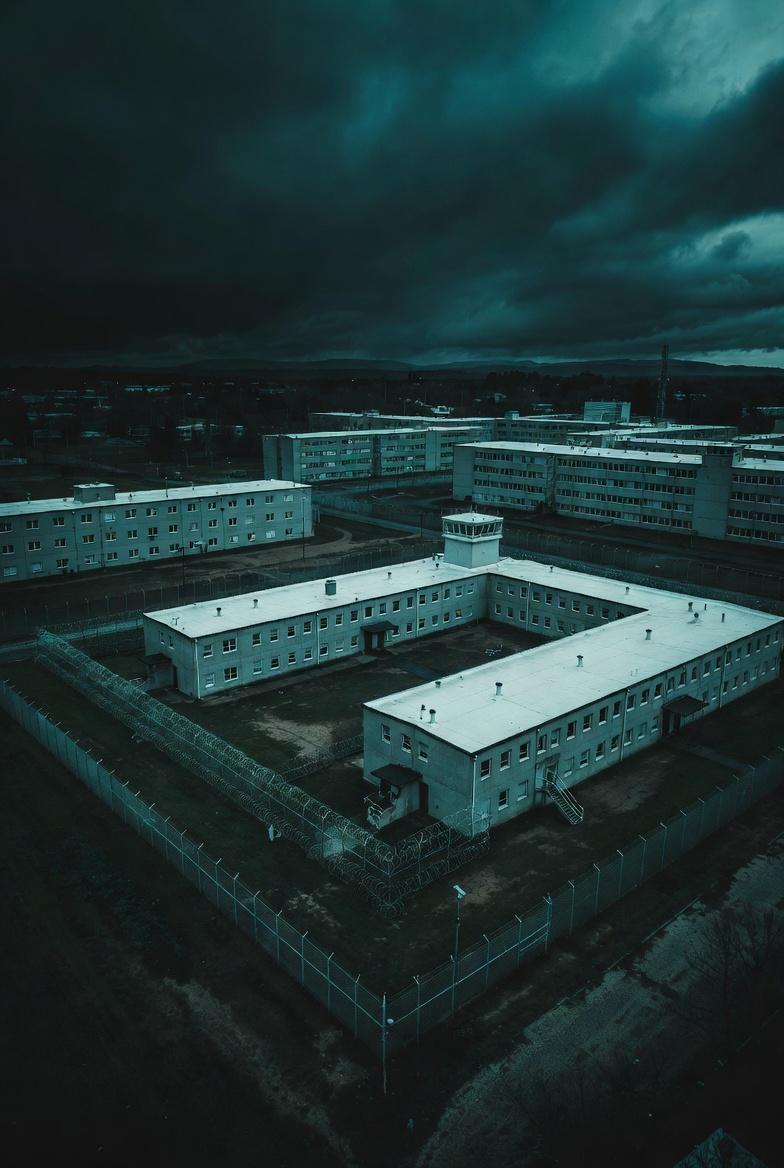
CDCR - Antelope Adult Conservation (Fire) Camp #25
State Prison | California County — California
CDCR - Antelope Adult Conservation (Fire) Camp #25 is a medium-security conservation camp located in Susanville, California, within Lassen County. Operated by the California Department of Corrections and Rehabilitation, this facility exclusively houses male inmates who have been selected to participate in the state's conservation and fire response programs. The camp serves as a training and deployment center for inmates working alongside CAL FIRE personnel on wildfire suppression and natural resource conservation projects throughout Northern California.
Families seeking information about inmates at Antelope Camp #25 can use our inmate search tools to locate their loved ones within the California corrections system. This resource helps families access arrest records, understand visitation procedures, learn about approved methods to send money, and stay connected with incarcerated individuals during their participation in the conservation camp program.
Antelope Adult Conservation Camp #25 stands apart from traditional California prisons as a specialized fire camp where select inmates earn the opportunity to serve as wildland firefighters. Inmates assigned to this facility undergo rigorous training in wildfire suppression, vegetation management, and emergency response techniques. These carefully screened individuals work directly with CAL FIRE professionals on active wildfires, prescribed burns, and conservation projects across Northern California's vast forestlands. The camp's location near Susanville positions crews for rapid deployment to fire incidents in the Sierra Nevada region and throughout the state during wildfire season, making it an essential component of California's emergency response infrastructure.
The inmate population at Antelope Conservation Camp #25 consists of carefully selected male offenders who have demonstrated good behavior and meet specific eligibility criteria. Inmates must be within a certain timeframe of their release date, have minimum or medium custody classifications, and cannot have convictions for certain violent or sexual offenses. The selection process excludes individuals with histories of arson or escape attempts. Most participants are serving sentences for non-violent crimes and have volunteered for the physically demanding conservation work. These inmates maintain clean disciplinary records and show motivation to participate in productive outdoor labor. The camp population remains relatively stable during fire season but may fluctuate during winter months when fewer emergency response needs exist.
Living conditions at Antelope Conservation Camp #25 differ significantly from traditional prison environments. Inmates reside in barracks-style housing with substantially less restrictive security measures than standard correctional facilities. The camp setting provides more freedom of movement within designated areas, reflecting the trust placed in carefully selected participants. Meals are designed to provide adequate nutrition for the physically demanding work inmates perform, with caloric intake adjusted to support wildland firefighting and conservation labor. Recreation opportunities include outdoor activities when crews are not deployed on assignments. Medical care is available on-site for routine needs, with more serious conditions referred to nearby medical facilities. Mental health services support inmates adjusting to the camp environment and preparing for eventual release. The grievance process follows CDCR policies, allowing inmates to formally address concerns. The camp atmosphere emphasizes teamwork, discipline, and skill development rather than punishment, creating conditions that prepare participants for successful community reintegration.
Programs at Antelope Conservation Camp #25 focus primarily on fire suppression training and conservation work skills that translate to employment opportunities upon release. Inmates receive certifications in wildland firefighting, chainsaw operation, hand tool use, and emergency response procedures. While formal educational programs may be more limited than traditional prisons due to the work-focused nature of the camp, participants develop valuable vocational skills in natural resource management, forestry practices, and teamwork. Physical fitness naturally improves through the demanding nature of conservation work. Some substance abuse programming may be available to address underlying issues that contributed to criminal behavior. Religious services accommodate various faith traditions when scheduling permits. Re-entry preparation emphasizes connecting participants with potential employers in firefighting, forestry, and related industries who value the specialized training received at conservation camps.
Work assignments at Antelope Conservation Camp #25 center entirely on conservation and emergency response activities rather than traditional prison industries. Inmates form hand crews that deploy to active wildfires throughout California, constructing fire lines, clearing vegetation, and supporting professional firefighters. During non-fire season, crews engage in fuel reduction projects, trail maintenance, habitat restoration, and forest thinning work on public lands. Inside the camp, inmates maintain facilities, prepare equipment, and handle logistical support for field operations. This outdoor work provides practical skills and certifications that significantly enhance post-release employment prospects in fire services, forestry, and land management sectors.
Antelope Adult Conservation Camp #25 was established as part of California's extensive conservation camp program that began in the 1940s through cooperation between the California Department of Corrections and the state's forestry agencies. These camps emerged from recognition that trained inmate crews could provide valuable support for wildfire suppression while offering participants meaningful work and skill development. The Susanville location places the camp strategically near vast forested areas requiring fire protection and resource management. Over the decades, Antelope Camp #25 has responded to countless wildfires and completed numerous conservation projects across Northern California. The camp has evolved with changing fire management practices and correctional philosophies while maintaining its core mission of protecting natural resources and providing inmates with rehabilitation opportunities through productive outdoor labor. Today it remains an integral part of California's wildfire response capability.
Visitation at Antelope Conservation Camp #25 operates under CDCR policies but may have scheduling variations due to the camp's fire response mission. Potential visitors must complete an approval process before their first visit, which includes background checks and may take several weeks. All visitors must present valid government-issued photo identification upon arrival. Dress codes prohibit clothing resembling inmate attire or that is overly revealing. Since inmates may be deployed on fire assignments or conservation projects with little notice, visitation schedules can be disrupted during fire season. Families should always call ahead to confirm their loved one is available and the camp is accepting visitors that day. The camp setting typically allows for a more relaxed visiting atmosphere than maximum-security prisons, reflecting the lower-risk population.
To send mail to an inmate at Antelope Conservation Camp #25, address correspondence with the inmate's full name and CDCR identification number followed by the facility address: 711-045 Center Road PO Box 908, Susanville, CA 96130. All incoming mail undergoes inspection for prohibited items and contraband. Books and magazines must come directly from approved vendors to be accepted. Inmates can typically make outgoing phone calls using prepaid telephone accounts that families establish through CDCR-approved vendors. Call durations and frequency follow standard CDCR regulations. Families should verify current policies regarding electronic messaging or email systems that may be available through authorized platforms, as these services continue expanding throughout California correctional facilities.
Sponsored and Powered by our Partner TruthFinder
Quick Facts
Should I Be Concerned? — Family Guide
CDCR - Antelope Adult Conservation (Fire) Camp #25 maintains a solid safety record with zero staff assaults on file, indicating a stable medium-security environment. The specialized fire camp mission attracts motivated inmates engaged in meaningful work, which typically correlates with lower violence rates. When visiting, check current facility status, bring valid ID, and contact ahead to confirm visiting schedules and any pandemic-related restrictions.
Neighborhood & Getting There
Susanville is located in Lassen County in northeastern California, approximately 290 miles north of Sacramento and 80 miles southeast of Redding. The rural mountain community sits near Interstate 299 access and the Sierra Nevada foothills. Nearby lodging includes basic hotels along Main Street; the closest major metro area is Sacramento, roughly 4.5 hours south. The region offers outdoor recreation but limited urban amenities; plan travel time accordingly.