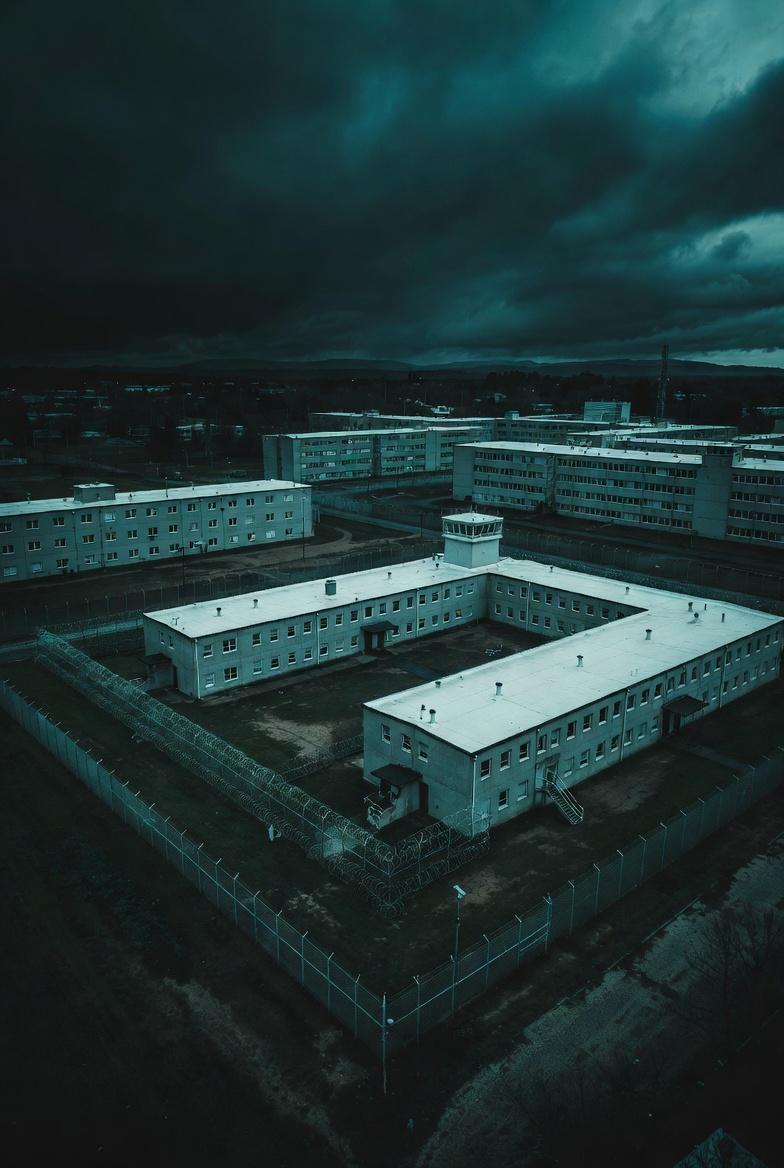
CDCR - Alder Adult Conservation (Fire) Camp #20
State Prison | California County — California
CDCR Alder Adult Conservation Fire Camp #20 operates as a medium-security facility in Klamath, located in Del Norte County in California's far northwestern coastal region. This specialized conservation camp houses male inmates who volunteer for the California Department of Corrections and Rehabilitation's fire camp program. Situated at 1400 Alder Camp Road, the facility serves as one of California's critical wildfire response resources, training and deploying inmate crews for emergency firefighting and conservation projects throughout the state's forests and wildlands.
Families seeking to locate inmates at Alder Camp #20 can conduct inmate searches through the CDCR online database. The facility maintains specific procedures for visiting, sending money, and communicating with incarcerated individuals. Understanding arrest records, booking information, and the unique nature of conservation camp assignments helps families stay connected during incarceration while their loved ones participate in this distinctive rehabilitation program.
Alder Conservation Fire Camp #20 stands apart as one of California's specialized adult conservation camps dedicated exclusively to wildfire suppression and emergency response. Unlike traditional correctional facilities, this camp houses inmates who have volunteered and been carefully selected to serve on hand crews that combat wildfires throughout California and neighboring states. Located in the heavily forested Del Norte County near the Oregon border, Alder Camp #20 positions crews strategically in Northern California's temperate rainforest region where fire season demands immediate response capabilities. Inmates live in a camp-style environment rather than traditional cell blocks, reflecting the program's emphasis on teamwork, physical fitness, and outdoor conservation work that prepares them for potential careers after release.
Alder Conservation Fire Camp #20 houses a carefully selected population of male inmates who meet strict eligibility requirements for the conservation camp program. Inmates must be sentenced rather than pre-trial, classified as minimum or medium security, and demonstrate low violence risk with no history of certain offenses including arson, sex crimes, or escape attempts. The population typically consists of individuals serving sentences for non-violent property crimes, drug offenses, and other lower-level felonies who have maintained positive institutional records. Physical fitness requirements ensure crew members can perform demanding wildfire suppression work. Inmates volunteer for this assignment as it offers reduced security restrictions, outdoor work, and opportunities to reduce their sentences through the CDCR's credit-earning programs while developing valuable job skills for post-release employment.
Alder Conservation Fire Camp #20 provides dormitory-style barracks housing rather than traditional prison cells, reflecting the camp's emphasis on teamwork and crew cohesion. Inmates sleep in open-bay arrangements with shared bathroom facilities that accommodate the camp's structured daily routine. Meals are served in a communal dining hall and designed to support the high-calorie needs of inmates engaged in physically demanding conservation work. The facility maintains medical services for routine healthcare and injuries, with more serious conditions transferred to appropriate medical facilities. Recreation opportunities include outdoor activities and physical training that maintain the fitness levels required for firefighting assignments. The camp environment allows greater freedom of movement within facility boundaries compared to traditional prisons. Mental health services address the stresses of incarceration and the demanding nature of emergency response work. Inmates can file grievances through standard CDCR procedures to address concerns about conditions or treatment.
Alder Conservation Fire Camp #20 centers its programming around comprehensive wildfire suppression training and emergency response preparation. Inmates receive extensive instruction in fire behavior, hand tool use, safety protocols, chainsaw operation, and wildland firefighting techniques certified by the California Department of Forestry and Fire Protection. Educational opportunities include GED preparation for those without high school diplomas. The camp emphasizes vocational training with certifications that translate to civilian employment in forestry, fire suppression, and emergency services upon release. Physical fitness programming maintains the conditioning required for strenuous firefighting work. Substance abuse counseling addresses addiction issues common among the inmate population. Re-entry programs help transitioning inmates leverage their conservation camp experience into careers with fire departments, forestry services, and environmental organizations that value their training and work ethic developed through the program.
Work assignments at Alder Conservation Fire Camp #20 focus primarily on wildfire suppression and conservation projects throughout Northern California. Inmate hand crews deploy during fire season to construct firelines, clear brush, and support professional firefighters battling wildfires across the state. During non-fire periods, crews perform fuels reduction work, trail maintenance, habitat restoration, and other conservation projects in state and federal forests. Inside the camp, inmates maintain facility operations through kitchen duties, grounds maintenance, and equipment care. The physically demanding outdoor work provides inmates with valuable job skills while performing critical public service. Crews operate under supervision of both correctional staff and California Department of Forestry personnel who oversee firefighting operations and safety protocols.
Alder Conservation Fire Camp #20 was established as part of California's historic conservation camp program, which has operated since the 1940s when the state recognized the dual benefit of providing rehabilitation opportunities for inmates while addressing critical wildfire suppression needs. The Klamath location in Del Norte County places the camp strategically in Northern California's coastal forests where fire response capabilities are essential. The facility has evolved alongside changes in California's firefighting strategies and correctional policies, adapting training methods to incorporate modern wildland fire techniques and safety standards. Throughout its operation, Alder Camp #20 has deployed crews to major California wildfires, earning recognition for the vital role conservation camp inmates play in protecting communities and natural resources. The camp continues serving as an integral component of California's emergency response infrastructure while offering inmates meaningful rehabilitation through service, skill development, and sentence reduction opportunities.
Visitation at Alder Conservation Fire Camp #20 follows CDCR policies specific to conservation camps, which typically allow more flexibility than traditional prisons due to the facility's minimum-security nature. Visitors must bring valid government-issued photo identification and complete the visitor approval process before their first visit. Dress code requirements prohibit clothing that resembles inmate attire or contains offensive graphics. Families should understand that visitation may be limited or canceled when fire crews are deployed on emergency assignments, which can last days or weeks during active fire season. The remote Klamath location requires advance planning for travel. Visitors should call ahead to confirm visitation schedules, verify their approval status, and ensure the inmate is present at the facility rather than deployed on a fire assignment or conservation project.
Mail sent to inmates at Alder Conservation Fire Camp #20 must include the inmate's full name, CDCR number, and complete facility address at 1400 Alder Camp Road PO Box 906, Klamath, CA 95548. All correspondence undergoes inspection for security purposes before delivery. Families can send books and magazines only through CDCR-approved vendors to comply with institutional regulations. Inmates have access to telephone accounts allowing collect calls or prepaid calling services that families can fund through approved providers. The facility follows standard CDCR communication policies. Due to the camp's focus on fire crew deployment and conservation work, inmates may have limited phone access during active assignments. Families should maintain updated contact information with the facility to receive notifications about their loved one's whereabouts during fire season deployments.
Sponsored and Powered by our Partner TruthFinder
Quick Facts
Should I Be Concerned? — Family Guide
CDCR - Alder Adult Conservation (Fire) Camp #20 maintains a medium security level with zero reported staff assaults, indicating a relatively stable facility environment. The fire camp model emphasizes work-based rehabilitation, which typically correlates with lower institutional violence. Visitors should expect standard security procedures including ID verification and property screening; call ahead to confirm visiting availability and any specific requirements.
Neighborhood & Getting There
Alder Camp #20 is located in rural Klamath, California in Siskiyou County, approximately 250 miles north of Sacramento and 50 miles south of the Oregon border. The facility sits in the scenic Cascade region near Highway 97. Klamath is a small mountain town with limited commercial services; nearest larger city is Medford, Oregon (90 minutes). Basic lodging and gas are available locally. The remote location requires significant travel time from major California metropolitan areas.