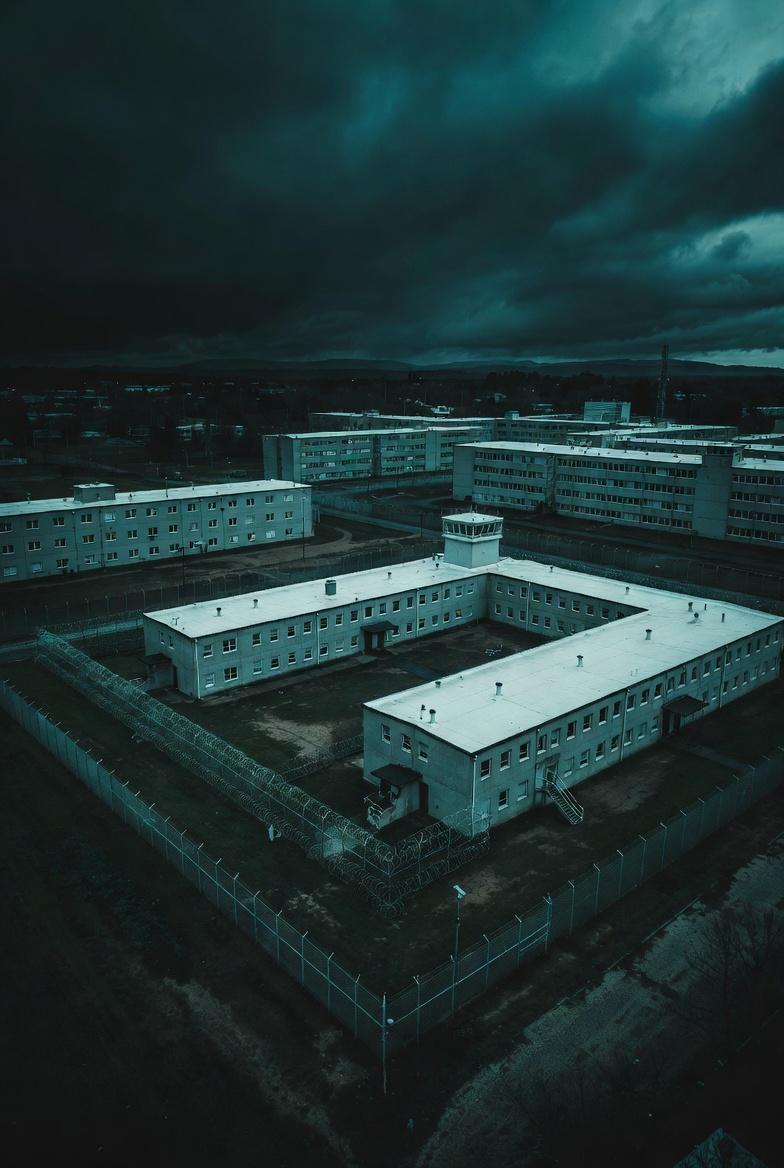
CDCR - Acton Adult Conservation (Fire) Camp #11
State Prison | California County — California
CDCR - Acton Adult Conservation (Fire) Camp #11 is a medium-security correctional facility located at 8800 Soledad Canyon Road in Acton, California, within Los Angeles County. Operated by the California Department of Corrections and Rehabilitation, this facility exclusively houses male inmates who participate in the state's conservation and firefighting programs. As part of California's fire camp system, Camp #11 serves a critical role in wildfire response and natural resource conservation throughout the region.
Families seeking information about inmates at Camp #11 can search for incarceration records, visitation schedules, and housing assignments through CDCR resources. Understanding the mailing address and procedures for sending money helps maintain important connections with loved ones. Because this is a specialized fire camp with unique operational requirements, families should verify current policies before planning visits or sending correspondence.
CDCR - Acton Adult Conservation (Fire) Camp #11 is part of California's distinctive conservation camp program, which trains minimum and medium-security inmates as wildland firefighters. Unlike traditional correctional facilities, this camp focuses on preparing incarcerated individuals for emergency response work, including wildfire suppression, disaster relief, and conservation projects. Inmates assigned to Camp #11 undergo rigorous physical training and receive specialized instruction in firefighting techniques, chainsaw operation, and emergency medical response. The camp operates in collaboration with the California Department of Forestry and Fire Protection (Cal Fire), deploying crews during fire season to protect communities and natural resources across the state. This unique mission provides inmates with valuable job skills and certifications while offering reduced security housing in a less restrictive environment than standard prisons.
CDCR - Acton Adult Conservation (Fire) Camp #11 houses a carefully selected population of male inmates who meet specific eligibility criteria for the conservation camp program. Incarcerated individuals at this facility are typically serving sentences for non-violent, non-sexual offenses and have demonstrated good institutional behavior. All inmates are sentenced individuals rather than pre-trial detainees, as the fire camp assignment requires a commitment to complete the training program and remain available for emergency deployments. Physical fitness requirements exclude those with serious medical conditions or mobility limitations. The population includes individuals from various CDCR institutions who volunteered for the program and passed screening processes. Inmates must have minimum or medium custody classification and generally have less than eight years remaining on their sentences. This specialized population works together as coordinated firefighting crews, creating a unique institutional culture focused on teamwork, discipline, and public service.
Living conditions at CDCR - Acton Adult Conservation (Fire) Camp #11 differ significantly from traditional prison settings. Inmates reside in dormitory-style barracks rather than individual cells, with open bay housing that accommodates firefighting crews. The camp's remote location in the foothills provides a more open environment with less restrictive perimeters than standard correctional facilities. Meals are served in a communal dining hall, with nutritional requirements designed to support the physical demands of firefighting work. Recreation opportunities include outdoor areas where inmates can maintain the fitness levels necessary for emergency response duties. The facility provides medical services for routine care and injuries, with more serious conditions referred to regional medical facilities. Mental health services are available, though the screening process typically excludes individuals requiring intensive psychiatric care. The grievance process follows CDCR policies, allowing inmates to address concerns through established administrative channels. Because the facility operates primarily as a working fire camp, daily schedules revolve around training, physical conditioning, and readiness for deployment rather than traditional institutional programming.
Programming at CDCR - Acton Adult Conservation (Fire) Camp #11 centers primarily on firefighting and conservation training rather than traditional educational curricula. Inmates receive extensive instruction in wildland firefighting techniques, including fire line construction, tool use and maintenance, safety protocols, and emergency response procedures. Physical fitness training is mandatory and intensive, preparing crews for the demanding nature of wildfire suppression work. While formal GED or academic programs may be limited compared to other facilities, inmates gain valuable vocational certifications including first aid, CPR, and chainsaw operation credentials that can support post-release employment. Some substance abuse programming may be available to address rehabilitation needs. Religious services are typically conducted by visiting chaplains. Re-entry preparation focuses heavily on leveraging firefighting experience and certifications for careers with Cal Fire, local fire departments, or related emergency services fields upon release. The work experience itself serves as the primary rehabilitative and skills-development program.
Work assignments at CDCR - Acton Adult Conservation (Fire) Camp #11 revolve almost entirely around conservation and firefighting activities. Inmates serve on hand crews that respond to wildfires throughout California, constructing fire lines, clearing vegetation, and supporting professional firefighting operations. During non-fire season, crews perform conservation work including trail maintenance, erosion control, fuel reduction projects, and habitat restoration on public lands. Inside the camp, inmates handle facility maintenance, food service, and grounds keeping necessary to maintain operations. Unlike traditional prison industries focused on manufacturing or agriculture, Camp #11's work program emphasizes emergency response readiness and natural resource management. Inmates typically work long hours during active fire incidents, receiving modest compensation for their service. This work provides practical experience and demonstrates to potential employers a strong work ethic and ability to function in demanding, team-oriented environments.
The establishment date and detailed founding history of CDCR - Acton Adult Conservation (Fire) Camp #11 are not widely documented in available public records. However, the facility is part of California's broader conservation camp system, which has operated since the 1940s as a partnership between CDCR and state firefighting agencies. California's fire camps emerged from the need for additional firefighting resources and the recognition that minimum-security inmates could safely perform conservation work while developing job skills. Camp #11's location in Acton, within the Angeles National Forest region, positions it strategically for rapid deployment to wildfires in Southern California. Over the decades, the camp has evolved alongside changes in firefighting technology and forest management practices. The facility has participated in responses to major California fire events and continues to serve as an essential component of the state's emergency response infrastructure. Today, Camp #11 maintains its mission of providing trained firefighting crews while offering incarcerated individuals opportunities for rehabilitation through meaningful public service.
Visitation at CDCR - Acton Adult Conservation (Fire) Camp #11 follows CDCR policies but may be limited due to the facility's operational nature as a working fire camp. Visitors must be approved in advance through CDCR's visiting application process and appear on the inmate's approved visitor list. All visitors must present valid government-issued photo identification upon arrival. Dress codes prohibit clothing that resembles inmate attire or is considered inappropriate for a correctional setting. Because crews may be deployed to fire incidents with little notice, visitation schedules can be disrupted during fire season. Families should contact the facility before traveling to confirm that their loved one is present and that visiting is available. The remote location requires careful planning for transportation. Due to the specialized nature of fire camp operations and potential deployment schedules, families are strongly encouraged to call ahead to verify current visitation hours and any temporary restrictions.
To send mail to an inmate at CDCR - Acton Adult Conservation (Fire) Camp #11, address correspondence with the inmate's full legal name, CDCR number, and the facility address: 8800 Soledad Canyon Road, Acton, CA 93510. All incoming mail is subject to inspection according to CDCR regulations. Families wishing to send books or publications must use approved vendors that ship directly to the facility, as hand-delivered books are generally prohibited. Inmates can make outgoing phone calls using the facility's telephone system, which requires families to establish prepaid accounts with the designated phone service provider. Due to the working nature of the fire camp and frequent deployments, communication availability may vary. Families should verify current policies regarding electronic messaging or email services, as some CDCR facilities offer limited digital communication options while others do not.
Sponsored and Powered by our Partner TruthFinder
Quick Facts
Should I Be Concerned? — Family Guide
Acton Adult Conservation (Fire) Camp #11 maintains a Medium security level with zero reported staff assaults, indicating a relatively stable facility environment. The specialized fire camp mission attracts work-focused inmates, which typically supports safer conditions. Visitors should expect standard security screening and follow all facility rules; contact ahead to confirm current visiting schedules and any capacity restrictions.
Neighborhood & Getting There
Located in Acton, California, approximately 45 miles north of Los Angeles in Los Angeles County, this facility sits in the high desert region near Soledad Canyon. The nearest major city is Los Angeles, roughly 1 hour drive south via I-5 and CA-14. Acton is a rural, sparsely populated area with limited lodging nearby; most visitors drive from the greater LA metro area. Highway 14 provides primary access. Basic services are available in nearby Palmdale (20 miles south).