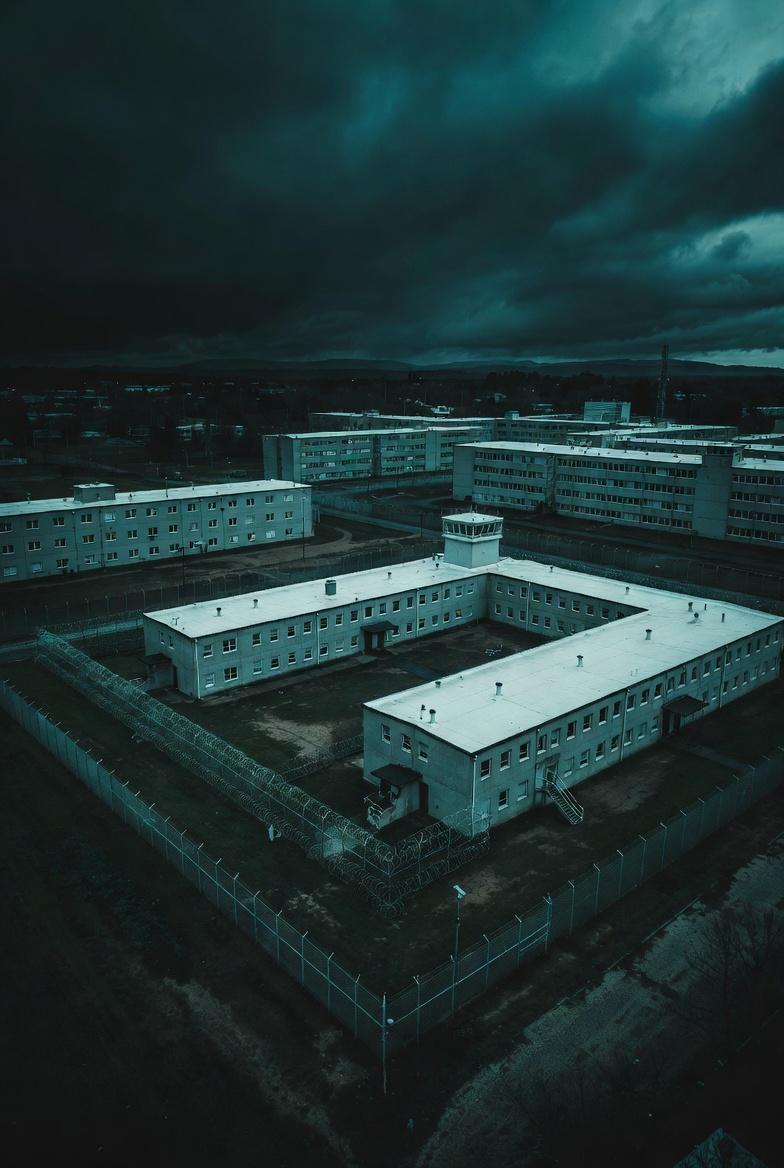
Camden County Youth Detention Center is located at the Lakeland Complex in Blackwood, New Jersey, serving Camden County and surrounding jurisdictions. This medium-security facility operates within the New Jersey corrections system and houses male juvenile offenders. The center provides secure detention for youth awaiting court proceedings or serving adjudicated sentences. As a county-level youth detention facility, it focuses on age-appropriate security measures and rehabilitation programming designed specifically for juvenile populations.
Families seeking information about juveniles detained at this facility can conduct inmate searches through Camden County's juvenile justice system. Visiting detained youth, sending funds for commissary purchases, and accessing arrest records require following specific procedures established for juvenile facilities. Contact the facility directly for current policies regarding youth detention matters.
Camden County Youth Detention Center distinguishes itself within New Jersey's juvenile justice system through its location at the comprehensive Lakeland Complex in Blackwood. Unlike adult correctional facilities, this center specializes exclusively in male youth offenders, requiring specialized staff training in adolescent development and age-appropriate behavioral management. The facility's medium-security classification reflects its focus on balancing accountability with rehabilitation for juveniles who present varying risk levels. Its position within Camden County's justice system allows for closer coordination with local family courts, probation services, and community-based programs. This integration enables more responsive case management and facilitates family involvement during detention, which research shows improves outcomes for detained youth.
The Camden County Youth Detention Center houses male juveniles typically ranging from early teens through age seventeen, though some jurisdictions may hold young adults up to age twenty-one under certain circumstances. The population includes both pre-adjudicated youth awaiting court hearings and adjudicated youth serving detention sentences. Offenses range from status offenses and misdemeanors to serious felonies including assault, theft, drug-related charges, and weapons violations. The facility may hold youth on probation violations and those awaiting transfer to state-level juvenile correctional facilities. Population levels fluctuate based on arrest patterns, court schedules, and available community alternatives. Some detained youth may have special needs including mental health diagnoses, developmental disabilities, or substance abuse issues requiring specialized management and programming within the secure detention environment.
Youth at Camden County Youth Detention Center reside in housing units designed for juvenile populations with closer supervision than adult facilities. Housing typically consists of dormitory-style or small group rooms rather than individual cells, though separation may occur for disciplinary or safety reasons. Daily schedules are structured with set times for meals, education, recreation, and programming. Three meals daily are provided meeting nutritional standards for growing adolescents. Recreation includes both indoor activities and outdoor time in secure yards when weather permits. Medical services address routine healthcare needs, sick calls, medication management, and emergency situations. Mental health services are particularly important given the high prevalence of trauma and behavioral health issues among detained youth. Counseling, crisis intervention, and psychiatric services are typically available. Youth can file grievances regarding conditions, staff interactions, or rule violations through established procedures. Educational services continue during detention to comply with laws requiring schooling for minors. Communication with families occurs through phone calls, mail, and scheduled visits.
Camden County Youth Detention Center provides educational programming as legally required for detained minors, including continuation of basic academics aligned with New Jersey education standards. Youth work toward maintaining grade-level progress or preparing for high school equivalency examinations. Vocational exploration may introduce detained youth to potential career paths and work skills applicable after release. Substance abuse education addresses the significant overlap between juvenile justice involvement and drug or alcohol use. Counseling programs focus on cognitive behavioral approaches, anger management, conflict resolution, and decision-making skills designed for adolescent participants. Religious services accommodate various faith traditions through volunteer chaplains and community religious leaders. Life skills programming prepares youth for successful community reintegration by addressing practical daily living competencies. Re-entry planning begins early in detention, coordinating with probation officers, families, schools, and community service providers to establish support systems before release. Programming intensity and availability depend on length of stay and individual case plans.
Work assignments at Camden County Youth Detention Center differ significantly from adult facilities, focusing on age-appropriate responsibilities and skill development rather than labor production. Detained youth may participate in facility maintenance tasks including cleaning housing units, common areas, and dining spaces under supervision. Kitchen duties might include food service assistance and cleanup appropriate for juvenile workers. Laundry operations provide work experience while maintaining facility operations. Grounds maintenance during suitable weather offers outdoor work opportunities. These assignments teach responsibility, work habits, and basic employment skills while contributing to facility operations. Unlike adult prisons, youth detention centers typically do not operate prison industries or outside work details. Work assignments serve primarily rehabilitative and educational purposes rather than economic production.
The Camden County Youth Detention Center operates as part of Camden County's long-standing commitment to separate juvenile justice processing from adult criminal justice systems. While the exact founding date remains undocumented in available records, youth detention facilities in New Jersey counties developed throughout the twentieth century as states increasingly recognized that juveniles required different correctional approaches than adults. The Lakeland Complex in Blackwood has served various Camden County government functions, with the youth detention center occupying space within this larger county facility campus. New Jersey's juvenile justice system has evolved through various reforms emphasizing rehabilitation over punishment, evidence-based programming, and reducing unnecessary detention. The facility has adapted to changing philosophies about youth confinement, implementing trauma-informed practices and pursuing alternatives to secure detention when appropriate. Today, the center continues serving Camden County's most serious juvenile offenders requiring secure placement while awaiting court proceedings or serving adjudicated dispositions.
Visitation at Camden County Youth Detention Center follows protocols specific to juvenile facilities, emphasizing family contact as beneficial for detained youth outcomes. Visitors must typically be approved in advance, with parents and legal guardians generally receiving priority access. Valid government-issued photo identification is required for all adult visitors. Dress codes prohibit clothing resembling facility uniforms, revealing attire, or items with inappropriate imagery. Visitors should expect security screening including metal detectors and possible searches. Visitation scheduling, days, and hours vary and may be limited compared to adult facilities. Contact restrictions may apply based on individual cases, court orders, or victim protection considerations. Physical contact during visits may be restricted depending on facility policies and youth behavior. Families should call ahead to verify current visitation procedures, scheduling requirements, and any restrictions specific to their detained youth before traveling to the facility.
Mail sent to youth at Camden County Youth Detention Center should include the juvenile's full legal name, any assigned identification number, and the complete facility mailing address at Lakeland Complex, Blackwood, NJ 08012. Mail is typically inspected for contraband and inappropriate content before delivery. Policies regarding photographs, enclosures, and correspondence length should be verified with facility staff. Books and publications usually require shipment from approved vendors to prevent contraband introduction. Telephone contact occurs through collect calls or prepaid phone accounts established by families, with calls subject to monitoring and recording. Call frequency and duration may be limited. Some juvenile facilities offer electronic messaging systems, though availability varies. Families should contact the facility directly to establish accounts and understand current communication policies, as procedures differ from adult corrections facilities.
Sponsored and Powered by our Partner TruthFinder
Quick Facts
Should I Be Concerned? — Family Guide
Camden County Youth Detention Center maintains a Medium security level with zero reported staff assaults, indicating a relatively stable facility environment. As a youth detention center, the facility prioritizes rehabilitation alongside supervision. When visiting, check in advance for current visiting policies, bring valid identification, and plan visits during designated hours to ensure entry and a positive experience with your detained youth.
Neighborhood & Getting There
Located in Blackwood within the Lakeland Complex in Camden County, New Jersey, the facility sits in South Jersey approximately 20 miles southeast of Philadelphia. The region is accessible via Route 295 and local roads, with nearby hotels in Williamstown and Cherry Hill. Camden County provides urban and suburban services within 10-15 minutes of the facility. The area has standard highway infrastructure supporting family visits from the broader Philadelphia-South Jersey region.