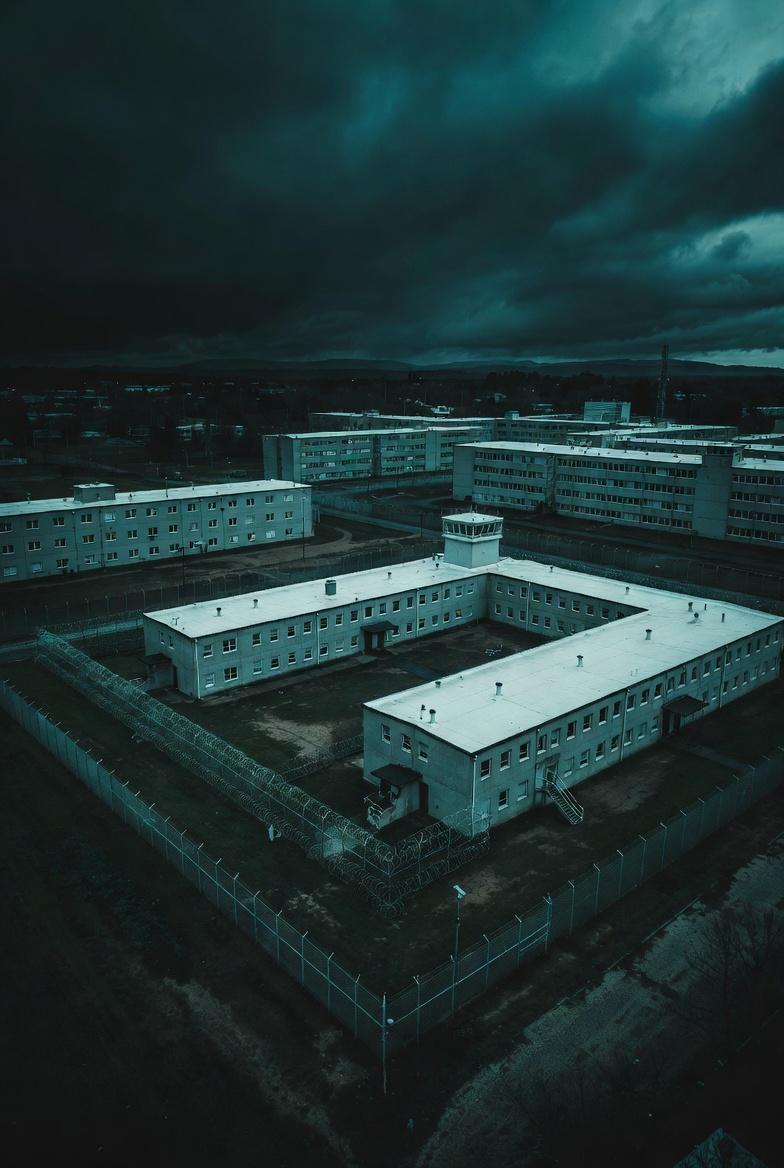
California City Correctional Center (CAC) - CCA (ICE)
State Prison | California County — California
California City Correctional Center (CAC) - CCA (ICE) is a medium-security correctional facility for male inmates located at 22844 Virginia Boulevard in California City, Kern County, California. The facility operates within the California Department of Corrections system and houses inmates under federal Immigration and Customs Enforcement (ICE) contracts. As a privately-operated facility managed by CoreCivic (formerly Corrections Corporation of America), it serves a specialized population within the state corrections framework.
Families seeking information about inmates at California City Correctional Center can access inmate search tools, deposit funds for commissary purchases, and arrange approved visits. The facility maintains specific protocols for communication and visitation that families should review before attempting contact. Understanding arrest records and housing assignments helps families stay connected with incarcerated loved ones throughout their detention period.
California City Correctional Center operates as a unique hybrid facility that combines state corrections infrastructure with federal immigration detention services. The facility's designation as a CCA (CoreCivic) ICE facility means it primarily houses immigration detainees under federal contracts rather than traditional state prisoners. This distinguishes it from other California Department of Corrections facilities that exclusively manage state-sentenced inmates. The facility's location in the remote desert community of California City provides isolation typical of immigration detention centers, while its medium-security classification allows for structured housing of male detainees awaiting immigration proceedings or deportation. This specialized mission creates operational procedures distinct from conventional California state prisons.
The inmate population at California City Correctional Center consists primarily of male immigration detainees held under ICE custody rather than traditional criminal offenders serving state sentences. These individuals typically face immigration violations, deportation proceedings, or await resolution of their immigration status through federal courts. The population differs significantly from sentenced state prisoners, as many detainees are pre-hearing individuals without criminal convictions. The facility may house detainees from various countries and backgrounds, creating a diverse international population. Classification focuses on immigration case status, flight risk assessment, and behavioral factors rather than criminal offense severity. The transient nature of immigration detention means population numbers fluctuate as detainees are released, deported, or transferred to other ICE facilities throughout the federal detention network.
Living conditions at California City Correctional Center reflect federal immigration detention standards rather than traditional state prison environments. Housing units typically consist of dormitory-style or pod arrangements with multiple detainees sharing common living spaces under medium-security supervision. Meals are provided three times daily in designated dining areas, with menus meeting basic nutritional requirements for the diverse international population. Recreation opportunities include outdoor yards and indoor common areas where detainees can exercise and socialize during scheduled periods. Medical services address routine healthcare needs, sick call, and management of chronic conditions, while mental health support assists detainees coping with detention stress and uncertainty about their immigration cases. The grievance process allows detainees to formally address concerns about conditions, treatment, or services through written submissions reviewed by facility administrators. The desert climate of California City means temperatures can be extreme, affecting outdoor recreation schedules. Living conditions emphasize security and order while accommodating the unique needs of immigration detainees awaiting case resolution.
Program offerings at California City Correctional Center are tailored to the immigration detainee population and differ from traditional state prison programming. Educational opportunities may include English as a Second Language (ESL) classes to help non-English speaking detainees communicate more effectively and understand their legal proceedings. The facility may offer legal orientation programs explaining immigration law, court processes, and detainee rights. Religious services accommodate diverse faith traditions represented in the international population, with chaplaincy services and worship opportunities. Recreation programs provide structured activities to maintain physical and mental health during detention. Unlike state prisons with extensive vocational training, immigration detention facilities typically offer limited skills development programs since detainees face deportation or release rather than long-term incarceration. Re-entry planning focuses on immigration case preparation and post-release arrangements rather than community reintegration typical of criminal justice settings.
Work assignments at California City Correctional Center operate differently than traditional prison industries due to the immigration detention mission. Detainees may volunteer for facility maintenance jobs including kitchen duties, cleaning assignments, laundry services, and general housekeeping to maintain daily operations. These positions typically pay minimal wages that detainees can use for commissary purchases or telephone services. Unlike state prisons with extensive industrial operations, immigration detention facilities generally lack manufacturing or agricultural programs. Work opportunities remain limited and voluntary, as immigration detainees are not subject to the same mandatory work requirements as sentenced state prisoners. Jobs serve primarily to keep detainees occupied and maintain facility cleanliness rather than developing vocational skills or generating revenue.
California City Correctional Center was established as a private correctional facility in the remote desert community of California City, developed during the expansion of both private prison operations and federal immigration detention capacity. The facility was constructed by Corrections Corporation of America (now CoreCivic) and transitioned to primarily serving as an ICE detention center to meet federal immigration enforcement needs. California City's isolated location in Kern County made it suitable for large-scale detention operations away from major population centers. Over time, the facility adapted its operations to focus on immigration detention rather than traditional criminal incarceration, reflecting shifts in federal enforcement priorities and detention bed demand. The facility's role continues evolving with changes in immigration policy and ICE detention strategies, maintaining its position as a significant immigration detention resource in California while operating under state corrections system oversight for facility standards.
Visitation at California City Correctional Center follows ICE detention protocols requiring visitor approval and valid government-issued photo identification for all adults. Visitors should expect to present identification such as driver's licenses or passports upon arrival. Dress codes prohibit revealing clothing, gang-related attire, or items that could be confused with staff uniforms. Prospective visitors must complete background checks and approval processes before scheduling visits, which can take several days to process. Visitation schedules vary depending on housing assignments and detainee status, so families should contact the facility directly before traveling to confirm current visiting hours and procedures. The remote California City location requires significant travel for most families, making advance planning essential. Security screening includes metal detectors and potential searches, so visitors should leave prohibited items in vehicles.
To mail correspondence to detainees at California City Correctional Center, families should address letters with the detainee's full name, alien registration number (A-number), and the facility address: 22844 Virginia Boulevard, California City, CA 93505. All incoming mail undergoes inspection for contraband and security concerns before delivery. Detainees can typically purchase telephone calling accounts to contact approved numbers, though rates may be high and call times limited. Book shipments must come directly from approved vendors to comply with security policies prohibiting personally-mailed packages. Families should verify current communication policies before sending items, as immigration detention facilities maintain strict restrictions on incoming materials and correspondence to maintain security protocols.
Sponsored and Powered by our Partner TruthFinder
Quick Facts
Should I Be Concerned? — Family Guide
California City Correctional Center maintains a medium-security environment with zero reported staff assaults, indicating a generally stable facility. Visitors should expect standard security protocols including screening, searches, and restricted contact visits typical of medium-security operations. Call ahead to confirm current visitation schedules and any facility-specific restrictions before traveling.
Neighborhood & Getting There
California City Correctional Center is located in California City, a remote desert community in Kern County, approximately 120 miles north of Los Angeles and 40 miles east of Bakersfield. The facility sits on Virginia Boulevard in the High Desert region. Nearest lodging and services are in Bakersfield (40 minutes) or Ridgecrest (45 minutes). Highway 14 and Interstate 58 provide primary access. The area is sparsely populated with limited immediate amenities, so visitors should plan accordingly.