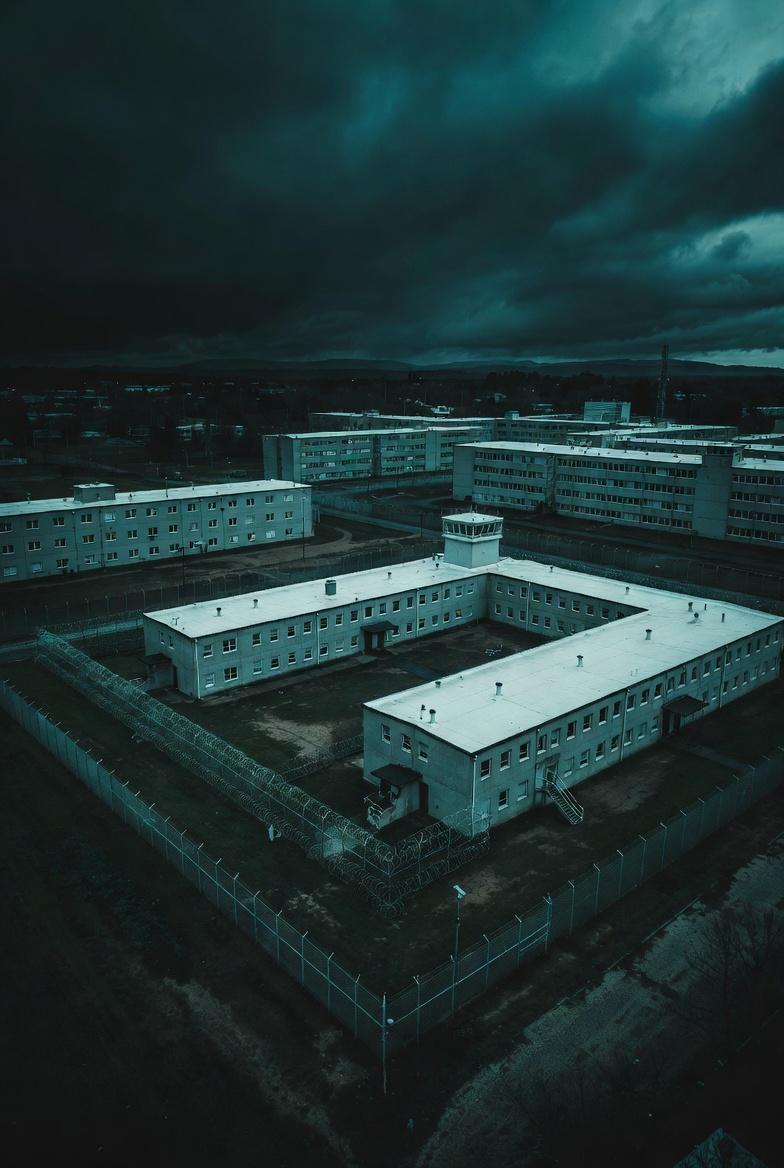
Bastrop Police Jail operates as a municipal detention facility located at 202 East Jefferson Avenue in Bastrop, Louisiana, within Morehouse Parish County. This medium-security facility primarily houses male inmates and functions under the broader Louisiana Department of Corrections system. The jail serves the City of Bastrop by providing custody for individuals arrested by local police on municipal violations, misdemeanor offenses, and those awaiting transfer to parish or state facilities. The facility plays a crucial role in local law enforcement operations in this northeastern Louisiana community.
Families seeking information about inmates at Bastrop Police Jail can conduct inmate searches through local law enforcement channels or Morehouse Parish records systems. To send money to inmates, contact the facility directly to learn approved deposit methods. Understanding visitation procedures, mail policies, and how to access arrest records helps families maintain connections with their incarcerated loved ones during this challenging time.
Bastrop Police Jail distinguishes itself as a municipal police detention facility rather than a traditional county jail, operating directly under the Bastrop Police Department's jurisdiction. This designation means the facility primarily handles initial booking, processing, and short-term detention for individuals arrested within Bastrop city limits. Unlike larger parish facilities that house long-term inmates, this jail serves as a temporary holding facility where arrestees await bond hearings, court appearances, or transfer to the Morehouse Parish Detention Center for extended stays. The facility's location on East Jefferson Avenue places it in downtown Bastrop, allowing direct integration with municipal court operations and local law enforcement activities specific to this historic northeastern Louisiana city.
The inmate population at Bastrop Police Jail consists primarily of individuals recently arrested on municipal violations, misdemeanor charges, and some felony offenses awaiting initial processing. Most detainees are pre-trial defendants who have not yet appeared before a judge or posted bond, making this a transient population with high turnover rates. Common offenses include traffic violations with warrants, public intoxication, shoplifting, simple assault, drug possession, and outstanding bench warrants. The facility predominantly houses male offenders arrested within Bastrop city limits by local police officers. Average stays typically range from several hours to a few days before inmates either post bond, receive transfer to the Morehouse Parish Detention Center, or appear in municipal court. The jail does not generally house sentenced inmates serving extended terms, as those individuals transfer to parish or state correctional facilities.
Bastrop Police Jail provides basic detention housing designed for short-term custody rather than extended incarceration. Inmates are typically held in holding cells or small tank areas with limited recreational space, reflecting the facility's role as a temporary processing center. Meals meet minimum nutritional standards and are provided at regular intervals, though dining options are basic given the brief nature of most stays. Medical services for acute needs are available, with more serious health concerns addressed through transfer to appropriate medical facilities or the parish jail. Mental health screening occurs during the booking process to identify immediate concerns, though comprehensive mental health programming is limited due to the short-term nature of detention. Recreation opportunities are minimal compared to larger facilities, as most inmates remain at Bastrop Police Jail for only brief periods. Detainees with grievances can request to speak with supervisory staff, though formal grievance procedures typically apply at longer-term facilities where inmates have extended stays.
Due to its function as a short-term municipal detention facility, Bastrop Police Jail offers limited programming compared to parish jails or state correctional institutions. The transient nature of the population—with most individuals staying only hours or days—makes comprehensive educational or vocational programs impractical. Religious services may be available through local clergy who visit the facility periodically, providing spiritual counseling to detainees who request it. Substance abuse programming is generally not offered at this level, though individuals with addiction issues are typically identified during booking and may receive referrals for treatment upon release or transfer. Re-entry services are minimal since most detainees either post bond and return to the community or transfer to other facilities for longer-term custody. Inmates requiring structured rehabilitation programs, GED classes, or job training are typically transferred to the Morehouse Parish Detention Center or state facilities where such resources exist.
Bastrop Police Jail does not operate work programs, prison industries, or outside work details due to its designation as a short-term municipal detention facility. The brief custody periods—typically measured in hours or days rather than weeks or months—make inmate work assignments impractical and unnecessary. Any facility maintenance tasks are generally handled by detention staff or outside contractors rather than inmates. Unlike parish jails or state prisons where sentenced inmates may participate in kitchen duty, laundry services, janitorial work, or outside grounds maintenance, this police jail focuses solely on secure detention during the booking and initial custody phase. Inmates requiring work opportunities as part of their sentence serve that time at other facilities within the Louisiana corrections system.
The Bastrop Police Jail has served the City of Bastrop as its municipal detention facility for local law enforcement operations, though specific founding dates and construction details are not widely documented in public records. The facility's location at 202 East Jefferson Avenue places it in the heart of Bastrop's municipal government district, reflecting its integration with city police operations. Bastrop itself has a long history as a Morehouse Parish community dating to the early 19th century, and local detention capabilities have evolved alongside the city's law enforcement needs. As a municipal police jail rather than a standalone correctional institution, this facility has maintained a consistent role: providing immediate custody for individuals arrested by Bastrop police officers while they await judicial processing. The jail continues to function as an essential component of local public safety infrastructure, serving a city with deep Louisiana roots in the northeastern part of the state.
Visitation at Bastrop Police Jail is typically limited due to the facility's nature as a short-term detention center. Families should contact the Bastrop Police Department directly before attempting to visit, as policies may vary and visitation hours are often restricted. When visitation is permitted, visitors must present valid government-issued photo identification such as a driver's license or state ID. Dress code requirements generally prohibit revealing clothing, items resembling inmate uniforms, and anything that could pose security concerns. Due to the brief stays most inmates experience at this facility, many detainees are transferred to the Morehouse Parish Detention Center before regular visitation schedules apply. Families are strongly encouraged to call ahead to confirm an inmate's location, verify visitation hours, and understand current policies before making the trip to the facility on East Jefferson Avenue.
Mail sent to inmates at Bastrop Police Jail should include the inmate's full name and be addressed to Bastrop Police Jail, 202 East Jefferson Avenue, Bastrop, LA 71220. Given the short-term nature of detention at this facility, mail delivery may be impractical as many inmates are released or transferred before correspondence arrives. Families should verify the inmate's current location before sending mail, as transfers to the Morehouse Parish Detention Center occur frequently. Phone privileges for inmates are typically limited at municipal police jails compared to longer-term facilities. Book and magazine deliveries must come from approved vendors and meet facility security requirements, though such deliveries are uncommon given brief custody periods. Contact the facility directly to learn current communication policies and available inmate phone account options.
Sponsored and Powered by our Partner TruthFinder
Quick Facts
Should I Be Concerned? — Family Guide
Bastrop Police Jail maintains a Medium security level with zero reported staff assaults, indicating a relatively stable facility environment. Like most municipal police jails in Louisiana, it primarily processes short-term detainees rather than long-term inmates, which generally supports safer conditions. When visiting, arrive during posted visiting hours, bring valid ID, and follow all facility rules; contact the jail directly at 202 East Jefferson Avenue for current policies and any security updates.
Neighborhood & Getting There
Bastrop is located in Morehouse Parish in northeastern Louisiana, approximately 90 miles southeast of Monroe and 180 miles north of Baton Rouge. The town sits along the Ouachita River in a rural, historically agricultural region. Highway access via US-165 and LA-139 connects Bastrop to larger metros including Monroe to the north. Limited hotel options exist in the immediate area; nearby towns like Morehouse offer additional lodging. The facility's downtown location on East Jefferson Avenue is easily accessible from the town's main thoroughfares.