Diagnostic Unit
State Prison | Jefferson County — Arkansas | Arkansas Community Corrections (ACC)
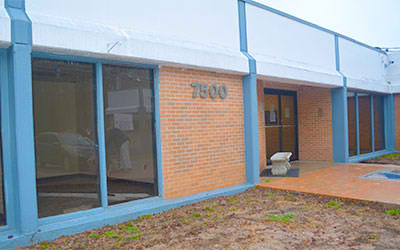
The Diagnostic Unit is a minimum security correctional facility operated by the Arkansas Department of Corrections in Pine Bluff, Jefferson County. Established in 1981, this co-educational institution currently houses 459 inmates with a total capacity of 744. Located at 7500 Correction Circle, the facility operates under the supervision of Area Manager Shirley Ellingburg and serves as an integral component of Arkansas's correctional system for both male and female offenders requiring minimum custody classification.
Families seeking information about loved ones at the Diagnostic Unit can conduct inmate searches through the Arkansas Department of Corrections database. Services available include inmate visitation, sending money to inmate accounts, mail correspondence, and accessing arrest records. Understanding the facility's specific procedures helps families maintain meaningful connections during incarceration.
The Diagnostic Unit distinguishes itself within the Arkansas correctional system as one of the few minimum security facilities that houses both male and female inmates under one administrative umbrella. While gender-specific housing units maintain appropriate separation, this co-educational designation allows the Arkansas Department of Corrections to efficiently manage low-risk offenders of both genders at a single location. The facility's minimum security classification indicates that inmates housed here have demonstrated responsible behavior and pose minimal escape risk, making it suitable for those nearing release or serving shorter sentences for non-violent offenses.
The Diagnostic Unit maintains a current population of 459 inmates within its 744-bed capacity, serving both male and female offenders classified as minimum security risks. The inmate population primarily consists of individuals convicted of non-violent offenses, though some may be serving the final portion of longer sentences after demonstrating good behavior and earning lower custody classifications. The facility houses a mix of sentenced inmates rather than pre-trial detainees, as its role focuses on custody rather than intake processing. The co-educational nature means specialized considerations exist for female inmates, who represent a smaller percentage of the overall Arkansas corrections population but receive gender-responsive programming and housing separate from male counterparts.
Inmates at the Diagnostic Unit reside in housing configurations appropriate for minimum security classification, which typically involves dormitory-style or open-bay barracks rather than individual cells with heavy security features. This arrangement reflects the lower risk profile of residents and promotes a less restrictive atmosphere compared to medium or maximum security facilities. Inmates receive three daily meals prepared according to Arkansas Department of Corrections nutritional standards, with dining conducted in communal settings. Recreation opportunities include outdoor yard time and access to gymnasium facilities when available, allowing for physical activity and social interaction within security parameters.
Medical services provide routine healthcare, sick call, and medication distribution, while mental health professionals address psychological needs through counseling and crisis intervention when necessary. The facility maintains a formal grievance process enabling inmates to address concerns about conditions, staff conduct, or policy violations through written complaints reviewed by administration. This structured complaint mechanism provides accountability and resolution pathways for issues arising during incarceration.
The Diagnostic Unit offers educational programming designed to improve inmate outcomes upon release, including GED preparation and testing for those lacking high school credentials. Vocational training opportunities may include skills development in maintenance, food service, or other practical trades applicable to post-release employment. Substance abuse treatment addresses addiction issues through group counseling and evidence-based curricula, recognizing that chemical dependency often contributes to criminal behavior. Religious services provide spiritual support through various faith traditions, with volunteer chaplains and faith-based organizations conducting worship services and Bible studies. Re-entry programming focuses on transition planning, helping inmates prepare for successful community reintegration through job readiness training, housing assistance information, and connections to community resources they'll need after release from Arkansas Department of Corrections custody.
Work assignments at the Diagnostic Unit provide inmates with productive activities while maintaining facility operations. Inside job assignments include kitchen workers who assist with meal preparation and service, maintenance crews responsible for facility upkeep and repairs, laundry workers managing institutional clothing and linens, and sanitation teams maintaining cleanliness throughout housing units and common areas. Groundskeeping assignments involve maintaining the facility's exterior landscape and grounds. These work programs teach responsibility and job skills while reducing idleness. Some inmates may participate in supervised outside work details serving community needs, though specific assignments depend on security clearance and individual custody status within the Arkansas correctional system.
The Diagnostic Unit opened in 1981 to address Arkansas's growing correctional population and the need for specialized custody classifications within the state prison system. Constructed during an era of significant expansion in American corrections, the facility was designed to house inmates requiring minimum security supervision separate from higher-risk populations. Over four decades of operation, the facility has adapted to changing correctional philosophies and population management strategies within the Arkansas Department of Corrections. The designation as a diagnostic unit historically suggested intake and classification functions, though current operations focus primarily on minimum custody housing for both male and female inmates. Under Area Manager Shirley Ellingburg's leadership, the facility continues fulfilling its role housing low-risk offenders while operating below its 744-inmate capacity, maintaining 459 residents as part of Arkansas's comprehensive correctional infrastructure.
Visiting procedures at the Diagnostic Unit require advance approval through the Arkansas Department of Corrections visitor application process. All visitors must present valid government-issued photo identification such as a driver's license or state ID card upon arrival. Dress code restrictions prohibit revealing clothing, items resembling inmate uniforms, and attire deemed inappropriate by facility staff. Visitors should expect to pass through security screening including metal detectors and possible searches of permitted items. Visitation schedules vary by housing unit and inmate classification, with specific days and times assigned. Families should call the facility ahead of making the trip to Pine Bluff to confirm current visitation hours, verify their approved status, and understand any temporary restrictions or policy changes affecting visit procedures.
Mail sent to inmates at the Diagnostic Unit must include the inmate's full legal name, ADC inmate identification number, and the complete facility address: 7500 Correction Circle, Pine Bluff, AR 71603-1498. All incoming correspondence undergoes inspection for contraband and prohibited items. Books and publications must be shipped directly from approved vendors or publishers rather than personal sources to comply with Arkansas Department of Corrections security policies. Inmates can typically make phone calls through the facility's telephone system using prepaid collect calling or advance-funded telephone accounts that families establish with the contracted provider. Some Arkansas facilities offer electronic messaging services, though families should verify current availability of email or tablet-based communication options for the Diagnostic Unit specifically.
Sponsored and Powered by our Partner TruthFinder
Quick Facts
Should I Be Concerned? — Family Guide
Diagnostic Unit maintains a safe environment with zero staff assaults and operates at 62% capacity, indicating manageable conditions. As a minimum security facility, it presents lower security concerns than higher-level institutions. Families should expect standard security procedures during visits, including identification checks and basic screening. Call ahead to confirm visiting schedules and any facility-specific policies before traveling to Pine Bluff.
Neighborhood & Getting There
Pine Bluff is located in Jefferson County in southeast Arkansas, approximately 40 miles southeast of Little Rock, the state capital. The facility sits on the outskirts of Pine Bluff near Highway 65, providing convenient access from I-30. The area includes basic hotels and dining options along the main corridors. Driving time from Little Rock is roughly 45 minutes to one hour. The region features typical rural Arkansas landscape with limited public transportation, making personal vehicles necessary for visits.