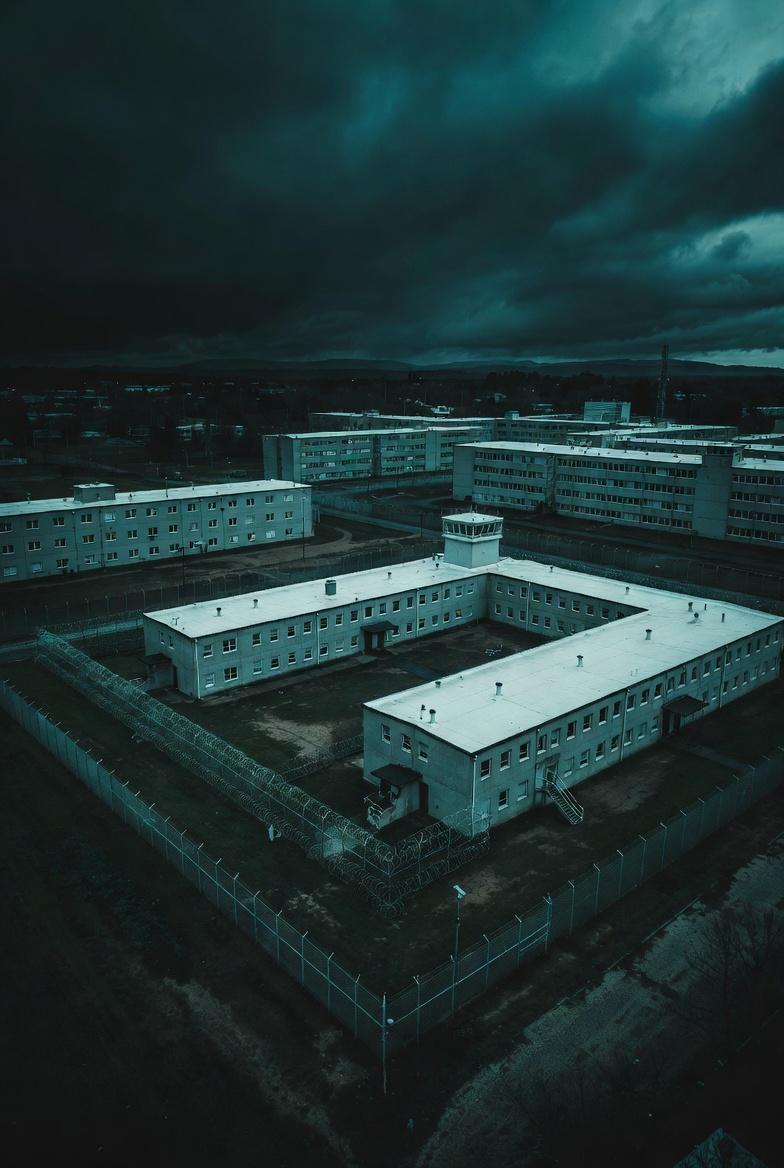
Arkansas Department of Corrections (ADC) - Boot Camp Unit
State Prison | Arkansas County — Arkansas
The Arkansas Department of Corrections Boot Camp Unit is a medium-security state correctional facility located on Highway 365 in Wrightville, within Big Rock Township in Arkansas County, Arkansas. This facility operates under the Arkansas Department of Corrections system and houses male inmates in a structured, disciplined environment designed to emphasize behavioral modification and personal accountability through a military-style boot camp model.
Families seeking information about inmates at the Boot Camp Unit can utilize the Arkansas Department of Corrections online inmate search system. Resources are available to help loved ones send money, schedule visits, and access arrest records. Understanding facility procedures helps maintain important family connections during incarceration.
The Boot Camp Unit stands apart from traditional Arkansas correctional facilities through its specialized military-style boot camp program. This facility employs a structured, disciplined approach modeled after military basic training, focusing on intensive physical conditioning, regimentation, and personal responsibility. The boot camp model typically serves younger, first-time offenders or those with shorter sentences who demonstrate potential for rehabilitation. Participants undergo rigorous daily schedules that emphasize discipline, respect for authority, physical fitness, and life skills development. This alternative sentencing option within the Arkansas corrections system aims to reduce recidivism by instilling accountability and providing intensive intervention in a concentrated timeframe.
The Boot Camp Unit serves a carefully selected population of male inmates within the Arkansas Department of Corrections system. The facility typically houses participants who meet specific eligibility criteria, including age requirements, sentence length limitations, and offense type restrictions. Violent offenders and those with certain criminal histories are generally excluded from boot camp participation. The population consists primarily of sentenced inmates who volunteer for the program as an alternative to serving longer traditional prison terms. Participants are typically younger offenders who demonstrate motivation for change and physical capability to handle the demanding boot camp regimen. The structured selection process ensures inmates possess the potential to benefit from the intensive, short-term intervention model that characterizes boot camp programming.
Living conditions at the Boot Camp Unit reflect the facility's military-style structure and disciplined environment. Inmates reside in barrack-style housing arrangements that promote group cohesion and constant supervision. The daily schedule begins early with physical training and follows a regimented routine throughout the day. Meals are provided at scheduled times in a cafeteria setting, with inmates following strict protocols during dining. Recreation opportunities are incorporated into the structured daily schedule, often including organized physical fitness activities and limited free time. Medical services are available through the Arkansas Department of Corrections healthcare system, addressing routine health needs and emergencies. Mental health resources support inmates dealing with adjustment challenges and personal issues. The facility maintains a formal grievance process allowing inmates to address concerns through proper channels. The boot camp environment is intentionally demanding, designed to challenge participants physically and mentally while teaching discipline and accountability.
The Boot Camp Unit's programming centers on its intensive boot camp curriculum, which combines multiple elements into a comprehensive intervention approach. Educational components typically include GED preparation for participants lacking high school diplomas, ensuring they leave with improved academic credentials. Life skills training addresses practical topics such as decision-making, anger management, conflict resolution, and employment readiness. Substance abuse programming is often integrated, recognizing that chemical dependency contributes to criminal behavior for many participants. Physical fitness training constitutes a major program component, with daily exercise promoting discipline, teamwork, and personal achievement. Religious services and spiritual counseling are available for those seeking faith-based support. Re-entry planning begins early in the program, preparing participants for successful community reintegration upon completion. The concentrated, multi-faceted approach distinguishes boot camp programming from traditional correctional environments.
Work assignments at the Boot Camp Unit differ from traditional prison labor programs, reflecting the facility's specialized mission. Inmates participate in facility maintenance operations, including cleaning, grounds keeping, and kitchen duties as part of their daily regimented routine. These assignments teach work ethic, responsibility, and teamwork while maintaining facility operations. Work tasks are structured to support the overall boot camp philosophy of discipline and accountability rather than serving primarily as labor for prison industries. Participants may engage in community service projects or facility improvement initiatives that benefit both the institution and the broader community. All work assignments operate within the framework of the intensive boot camp schedule and programming requirements.
The Arkansas Department of Corrections established the Boot Camp Unit as part of a broader national trend toward alternative sentencing options for certain offender populations. During the 1990s and early 2000s, many states implemented boot camp programs as cost-effective alternatives to traditional long-term incarceration, targeting younger, non-violent offenders who might benefit from intensive, short-term intervention. The facility in Wrightville was designated to serve this specialized function within Arkansas's correctional system. The boot camp model has evolved over the years as research has provided insights into effective rehabilitation approaches. While some states discontinued boot camp programs due to mixed results, Arkansas has maintained this facility as an option for eligible offenders. The Boot Camp Unit continues to operate as a medium-security facility serving male inmates who meet program criteria, representing the state's commitment to providing diverse correctional programming options.
Visitation at the Boot Camp Unit follows Arkansas Department of Corrections policies with considerations for the facility's specialized program structure. Visitors must bring valid government-issued photo identification and undergo approval processes before being permitted to visit. Dress code requirements prohibit clothing that resembles institutional uniforms, revealing attire, or items that could pose security concerns. Potential visitors should understand that boot camp participants may have limited or restricted visitation compared to general population inmates, reflecting the program's intensive, immersion-based approach. Visitation schedules may be specific to the boot camp program's phases or milestones. Families should contact the facility directly before planning visits to confirm current visitation policies, schedules, and any program-specific restrictions that may apply to boot camp participants.
Mail sent to inmates at the Boot Camp Unit should be addressed with the inmate's full name and ADC number, followed by the facility mailing address: PO Box 1000, Wrightville, AR 72183-1000. All incoming mail undergoes inspection according to Arkansas Department of Corrections security procedures. Books and publications must typically come directly from approved vendors or publishers to be accepted. Inmates may have access to telephone privileges through the facility's phone system, with calls made collect or through prepaid phone accounts established by families. Due to the intensive, structured nature of boot camp programming, communication privileges may be more limited than in traditional facilities, particularly during initial program phases. Families should verify current communication policies and any program-specific restrictions with facility staff.
Sponsored and Powered by our Partner TruthFinder
Quick Facts
Should I Be Concerned? — Family Guide
Arkansas Department of Corrections (ADC) - Boot Camp Unit maintains a Medium security classification with zero reported staff assaults, indicating a relatively secure and stable facility environment. The structured boot camp program design focuses on inmate accountability and rehabilitation. Visitors should expect standard security protocols, arrive early for processing, bring valid identification, and contact the facility in advance to confirm visiting schedules and requirements.
Neighborhood & Getting There
Arkansas Department of Corrections (ADC) - Boot Camp Unit is located in Big Rock Township within Arkansas County in rural central Arkansas, approximately 35-40 miles south of Little Rock. The facility sits in a sparsely populated agricultural area near Wrightsville. Visitors traveling from Little Rock should expect 45-60 minutes driving time via Highway 365. Limited commercial services exist nearby; most accommodations and amenities are located in Little Rock or Stuttgart, requiring advance planning for overnight stays.