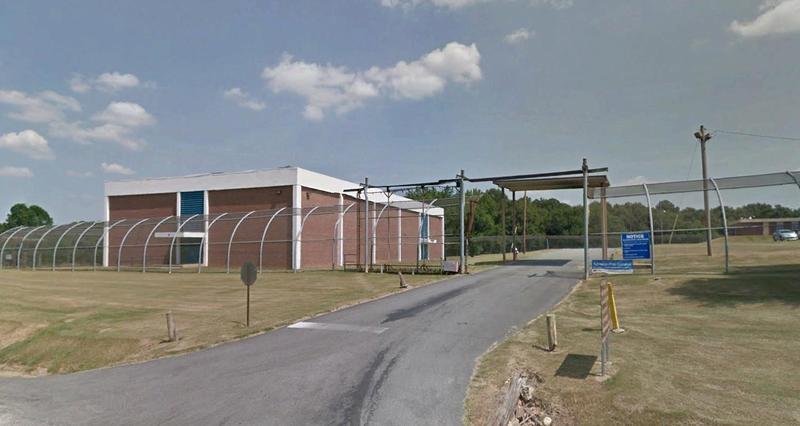
South Carolina DJJ - Juvenile Detention Center
State Prison | Richland County — South Carolina | South Carolina Department of Juvenile Justice
The South Carolina Department of Juvenile Justice (DJJ) Juvenile Detention Center is a state-operated secure detention facility located in Columbia, South Carolina — the state capital and one of the state's largest cities, with a population of more than 133,000 residents. The facility serves as a short-term, pre-adjudication holding center for youth who have been taken into custody by law enforcement and are awaiting court hearings, evaluations, or placement decisions. It is one of the primary juvenile detention facilities operated by the South Carolina DJJ, the agency responsible for overseeing the care, custody, and rehabilitation of juveniles involved in the justice system across the state. Families looking for more information about locating a detained youth can explore our guide on how to find an inmate, which walks through the steps for confirming placement and making contact.
Youth at the facility are housed in separate units based on a combination of factors, including the nature of their alleged offense, individual risk assessment scores, and behavioral observations during confinement. This classification system is carefully designed to promote safety for both residents and staff and to ensure that youth who present higher levels of risk are not co-mingled with those who pose lower risks. The approach reflects a broader philosophy within juvenile justice that recognizes the wide spectrum of circumstances that bring young people into the system.
The South Carolina DJJ Juvenile Detention Center is one of many facilities within the state's juvenile justice network. If you have a family member or loved one currently held here, your first steps should include contacting the facility directly to confirm placement and to understand visitation and communication procedures. Families may also wish to consult a juvenile defense attorney, who can advise on the legal process, potential diversion options, or alternatives to continued detention. The facility is part of South Carolina correctional facilities, a broader network of institutions serving youth and adults across the state. If you need to verify incarceration status or search public criminal records for a juvenile who may have been transferred to an adult facility, public records tools can be a helpful starting point.
One of the most defining characteristics of the South Carolina DJJ Juvenile Detention Center is its status as a dedicated juvenile-only secure facility — meaning it houses no adult offenders whatsoever. Every program, policy, staffing model, and physical design element at the center is tailored specifically to the developmental, emotional, and educational needs of young people. This stands in sharp contrast to general-purpose jails or multi-population detention facilities, where youth might otherwise be exposed to adult offenders and adult institutional culture.
The facility's juvenile-exclusive focus means that staff are trained specifically in adolescent development, trauma-informed care, and de-escalation techniques suited to working with young people. Rather than defaulting to punitive responses to behavioral challenges, staff are trained to understand the underlying factors that may be driving a youth's behavior — including trauma history, mental health challenges, or substance use — and to respond in ways that are both firm and developmentally appropriate.
Another distinguishing feature is the facility's integration of education services directly into the detention environment. Detained youth are not simply warehoused while awaiting court dates; they continue their education in an on-site accredited school program, ensuring that a stay at the detention center does not result in significant academic setbacks. This commitment to educational continuity is both a legal requirement and a core value of the DJJ's mission.
The center's location in Columbia — the state capital — also gives it unique proximity to DJJ's central administrative offices, the juvenile court system, and a broader network of community-based service providers, which can facilitate faster coordination around case planning and post-release support for detained youth and their families.
The South Carolina DJJ Juvenile Detention Center houses a population of youth — typically between the ages of 12 and 17 — who are in the pre-adjudication phase of the juvenile justice process. This means most residents have not yet been formally adjudicated (found delinquent) by a juvenile court judge; rather, they are detained while awaiting hearings, comprehensive evaluations, or placement decisions by the court. In some cases, youth who have already been adjudicated may be held at the facility temporarily while awaiting transfer to a longer-term residential program or treatment placement.
The population at the facility reflects the broad spectrum of circumstances that bring young people into the juvenile justice system in South Carolina. Some youth are detained on charges involving serious or violent offenses; others may be held because a risk assessment has identified factors — such as a history of failing to appear for court or a lack of stable housing — that make secure detention the most appropriate option pending a hearing. The use of validated risk assessment tools helps ensure that secure detention is reserved for those youth who genuinely require it, rather than being applied indiscriminately.
Mental health and substance use challenges are prevalent within the detained population, as they are in juvenile detention centers nationally. The DJJ works to identify these needs quickly upon admission and to connect youth with appropriate services during their stay. The facility also serves youth from counties across South Carolina, meaning residents may come from communities throughout the state rather than exclusively from the Columbia metropolitan area.
The population at any given time fluctuates based on court schedules, law enforcement activity, and the availability of community-based alternatives. The DJJ has worked to reduce unnecessary detention through diversion programs and alternatives to secure confinement, meaning the youth who are detained at the facility generally represent those for whom secure detention has been deemed necessary by a juvenile court judge or intake officer.
Youth detained at the South Carolina DJJ Juvenile Detention Center live in a structured, supervised environment designed to be safe, orderly, and — to the extent possible within a secure setting — supportive of their overall wellbeing. Residents are housed in secure unit areas containing sleeping quarters, shared common spaces, and programming areas, all contained within the facility's secure perimeter. Units are staffed around the clock by trained juvenile justice professionals who are responsible for both the supervision and the day-to-day support of detained youth.
Daily life at the center follows a carefully structured schedule that includes set times for waking, meals, personal hygiene, education, physical activity, and evening programming. This predictable routine is an intentional element of the therapeutic environment — research on adolescent development consistently shows that structure and predictability are important stabilizing factors for youth, particularly those who have experienced chaotic or trauma-filled home environments. Meals are provided three times daily and are intended to meet nutritional standards appropriate for growing adolescents.
Sleeping quarters are designed to be secure while meeting basic standards for space, light, and ventilation. Youth are generally housed individually or in small group settings, and units are designed to minimize opportunities for conflict. Access to outdoor recreation is provided on a scheduled basis, giving residents the opportunity for physical activity and fresh air — an important component of both physical and mental health during confinement.
The facility maintains access to on-site medical and mental health services. Youth with existing medical conditions, medications, or mental health needs are assessed upon admission, and care plans are developed to ensure continuity of treatment. The DJJ is required to meet both state and federal standards for the health care provided to detained youth, and the facility works with community health providers to fill gaps in specialized care when needed.
Even though the South Carolina DJJ Juvenile Detention Center functions as a short-term detention facility, it maintains a robust set of programs designed to keep youth engaged, address underlying needs, and support their educational and personal development during confinement. The guiding philosophy is straightforward: time spent in detention should not be idle or purely punitive — it should be used constructively to lay the groundwork for better outcomes when youth return to their communities.
Education is the cornerstone of programming at the facility. Detained youth are required by both state and federal law to continue their education regardless of their detention status, and the DJJ operates an accredited on-site school program to fulfill this obligation. Certified teachers provide instruction across core academic subjects, and individualized support is available for youth with Individualized Education Programs (IEPs) or other identified learning needs. The goal is to ensure that youth do not fall behind academically during their detention and are positioned to re-engage with their home school or an alternative educational placement upon release.
Mental health and behavioral health services are also central to the facility's programming model. Upon admission, youth are screened for mental health needs, substance use history, and trauma exposure. Those with identified needs are connected with counselors and clinicians who provide individual and group-based therapeutic services during their stay. Substance use education and early intervention programming may also be available for youth who have been identified as having substance-related needs.
Life skills and cognitive-behavioral programming help youth develop the thinking skills, emotional regulation strategies, and problem-solving abilities needed to make better decisions in high-pressure situations. Programs grounded in evidence-based models — such as Thinking for a Change or Aggression Replacement Training — have been implemented in juvenile facilities across South Carolina as part of the DJJ's broader reform agenda.
Recreation and physical activity programming rounds out the daily schedule, offering youth opportunities for structured physical exercise, team activities, and informal social interaction in a supervised environment. These activities serve important developmental purposes, helping youth manage stress, build social skills, and maintain physical fitness during confinement.
The South Carolina Department of Juvenile Justice has a long and evolving history rooted in the state's efforts to create a distinct, rehabilitation-focused justice system for young people. South Carolina formally separated its juvenile justice system from the adult corrections framework over the course of the 20th century, recognizing early on that youth who come into conflict with the law require a fundamentally different approach — one centered on accountability, treatment, education, and the opportunity for a meaningful second chance rather than simple punishment.
The Columbia Juvenile Detention Center, as it is commonly known, has served as the state's primary short-term secure detention facility for juveniles for several decades. For much of its earlier history, the facility — like juvenile detention centers across the country — struggled with chronic overcrowding, inadequate programming, and conditions that critics argued were more punitive than rehabilitative. These challenges prompted significant reform efforts at both the state and national level beginning in the 1990s and accelerating through the 2000s.
South Carolina undertook substantial restructuring of its juvenile justice system in the early 2000s, shifting resources toward community-based alternatives to detention and implementing evidence-based risk assessment tools to reduce unnecessary secure confinement. These reforms significantly reduced the number of youth held in secure detention statewide and improved conditions within facilities like the Columbia Juvenile Detention Center. The DJJ also worked to bring its facilities into compliance with national standards for juvenile detention, including guidelines issued by the Annie E. Casey Foundation's Juvenile Detention Alternatives Initiative (JDAI), which has been influential in reshaping juvenile detention practices across the United States.
Today, the South Carolina DJJ Juvenile Detention Center reflects the cumulative impact of decades of reform. The facility operates under a framework that prioritizes the physical and emotional safety of detained youth, continuity of education, access to mental health and substance use services, and meaningful family engagement — all while maintaining the secure environment necessary to fulfill its legal mandate.
No widely documented famous former inmates are publicly associated with the South Carolina DJJ Juvenile Detention Center. As a juvenile facility, the identities of residents are protected under a combination of state and federal privacy laws — including South Carolina's juvenile justice statutes — which strictly limit the public disclosure of information about youth involved in the juvenile justice system. This confidentiality is an important and intentional safeguard, designed to protect young people from the long-term social stigma that can accompany a juvenile record and to preserve their ability to move forward productively after their involvement with the justice system has ended. If you are trying to locate information about someone who may have been processed through the juvenile system as a minor and later transferred to an adult facility, you can search criminal records through public records databases to find any adult criminal history on file.
Visitation is a critical component of the rehabilitation process for youth detained at the South Carolina DJJ Juvenile Detention Center, and the facility strongly encourages families to maintain regular, meaningful contact with their loved ones throughout the detention period. A substantial body of research demonstrates that youth who stay connected with supportive family members during detention are significantly more likely to have positive outcomes after release — including lower rates of recidivism and stronger reintegration into school and community life.
Visitation schedules, rules, and procedures are established by the DJJ and are subject to change based on facility operations, security considerations, or public health circumstances. Families should contact the facility directly to obtain the most current visiting schedule and to understand any specific requirements that apply. In general, visitation at juvenile detention facilities in South Carolina is limited to approved individuals — typically immediate family members, legal guardians, and attorneys — and visitors must typically be pre-approved through an application process before their first visit.
When visiting, all adults will be required to present a valid government-issued photo identification. Visitors should expect to go through a security screening process, which may include a search of personal belongings and the use of metal detection equipment. Certain items — including cell phones, food, and packages — may not be permitted inside the visiting area, and dress code requirements may apply. Children visiting a detained youth may face additional requirements or restrictions, so families with young siblings or other minor children should confirm the facility's policies in advance.
Visits are typically supervised by facility staff and may take place in a designated visitation room. The duration of visits may be limited based on the facility's schedule and the number of families visiting on a given day. For detailed and up-to-date information, families are encouraged to review the official DJJ Detention Center family brochure, which provides guidance on visitation procedures, what to bring, and how to prepare for a visit. Families can also send money to a detained youth's account to help cover personal hygiene items and other allowable commissary purchases during their stay.
Maintaining communication with a detained juvenile is one of the most important things a family can do to provide emotional support during what is often a frightening, confusing, and isolating experience. The South Carolina DJJ Juvenile Detention Center allows approved family members and guardians to contact youth through several channels, all of which are subject to facility rules and monitoring protocols designed to ensure the safety of residents and staff.
Phone calls are typically the most accessible and frequently used form of communication for detained youth. The facility operates a monitored phone system that allows residents to make outgoing calls to approved numbers during designated times in the daily schedule. Families should be aware that calls are typically recorded and may be reviewed by facility staff. Phone call access may be subject to behavioral expectations — youth who are not in compliance with facility rules may have phone privileges temporarily restricted.
Written mail is another important communication channel. Youth may send and receive letters, though all incoming and outgoing mail is generally inspected by facility staff for security purposes. Families wishing to send mail should confirm the correct mailing address and any specific requirements for how mail should be addressed. Cards, photos, and drawings from family members can be especially meaningful to detained youth and are often permitted, subject to content restrictions.
Legal visits and attorney communication are treated separately from family contact and are afforded heightened privacy protections. If your family member has legal representation, their attorney has the right to visit and communicate with them confidentially. Families who have not yet secured legal representation should consider doing so as early as possible in the detention process.
For additional guidance on locating a youth who may have been moved to a different facility, see our comprehensive guide on how to find an inmate, which covers the steps for searching across state and county systems. You can also visit the official South Carolina DJJ facilities page for contact information and facility details directly from the agency. If you believe a youth may have been transferred into the adult system and need to verify their current status, you can look up an inmate's arrest history through public records databases to confirm placement and any adult charges on file.
Sponsored and Powered by our Partner TruthFinder
Quick Facts
Should I Be Concerned? — Family Guide
The South Carolina DJJ Columbia facility prioritizes visitor safety through comprehensive security measures. All visitors must present valid photo identification and pass through metal detection screening and bag inspection upon entry. The facility maintains controlled access points throughout the building, with visitation restricted to designated family meeting areas physically separated from secure detention areas. Trained correctional staff are present at all times to monitor interactions and maintain order.
Families visiting should expect professional security procedures as part of normal facility operations. Weapons, illegal substances, contraband, and most personal items are strictly prohibited. Visitors with safety concerns or questions about specific restrictions are encouraged to contact the facility in advance. The detention center's primary mission is protecting all individuals within its walls while supporting youth rehabilitation and family connections.
Neighborhood & Getting There
The South Carolina DJJ Columbia facility is conveniently located in Columbia's central area with easy accessibility via Interstate 20 and major local thoroughfares. The surrounding neighborhood features government office buildings, commercial districts, and mixed-use developments characteristic of South Carolina's capital city. Free and paid parking options are available at the facility and nearby public lots, with most spaces within a short walking distance of the main entrance.
The location offers convenient proximity to downtown Columbia (approximately 10 minutes driving), allowing visitors to combine facility visits with other business in the capital. Several hotels are located within 2-3 miles of the facility, including mid-range and budget accommodations near Interstate 20 corridors. The area is well-served by local roads and public transportation options, making the facility accessible for families traveling from across South Carolina.