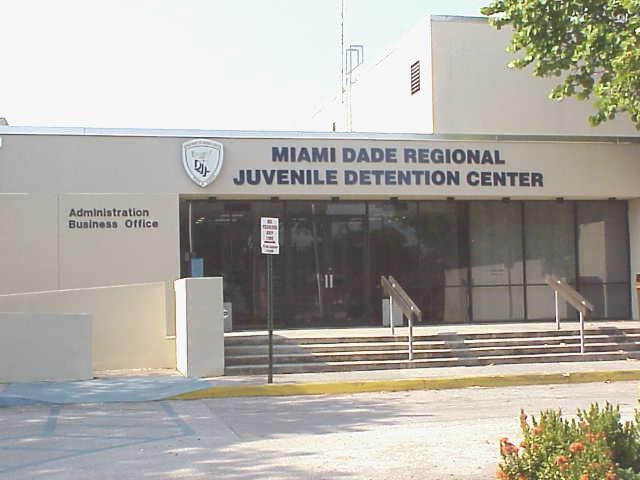
Miami-Dade Juvenile Detention Center
County Jail | Miami-Dade County — Florida | Florida Department of Juvenile Justice
Miami-Dade Juvenile Detention Center is located at 3300 NW 27th Avenue in Miami, Florida, operating under the Florida Department of Corrections system. This facility serves Miami-Dade County and houses male juvenile offenders across minimum to maximum security classifications. With a capacity of 126 beds, the center provides secure detention for youth awaiting court proceedings or serving adjudicated sentences. Superintendent Steve Owens oversees facility operations and programming designed specifically for juvenile populations.
Families seeking information about juvenile detainees can conduct inmate searches through official Miami-Dade County channels. The facility processes arrest records, coordinates visitation schedules, and provides secure methods for families to send funds to detained youth. Understanding facility procedures helps families maintain contact and support their loved ones through the juvenile justice system.
Miami-Dade Juvenile Detention Center stands apart as one of South Florida's primary secure detention facilities exclusively serving male juvenile offenders in the state's most populous county. The facility's location in Miami positions it at the center of a diverse metropolitan area, requiring staff to provide culturally responsive programming and multilingual support services. The center's multi-level security design allows classification from minimum to maximum security within a single facility, enabling appropriate placement based on each youth's individual risk assessment and behavioral needs. This flexible approach supports the facility's mission to provide age-appropriate rehabilitation while maintaining community safety.
The facility houses male juveniles typically ranging from ages 10 to 18 who have been arrested in Miami-Dade County. The population includes both pre-adjudicated youth awaiting court hearings and adjudicated offenders serving committed sentences. Offense classifications span from status offenses and misdemeanors to serious felonies including violent crimes and weapons charges. Security classifications are determined through comprehensive intake assessments evaluating criminal history, current charges, behavioral indicators, and flight risk. Special populations within the facility may include youth requiring protective custody, those with mental health needs, and juveniles being held for out-of-state jurisdictions. The transient nature of juvenile detention means population demographics fluctuate based on arrest patterns, court schedules, and disposition outcomes throughout Miami-Dade County's extensive juvenile justice system.
Miami-Dade Juvenile Detention Center provides dormitory-style and cell-based housing depending on security classification and behavioral status. Youth are housed in age-appropriate units with structured daily schedules that include supervised recreation, educational activities, and personal hygiene time. Meals are served three times daily in accordance with nutritional guidelines for growing adolescents, with accommodations for religious dietary requirements and medical restrictions. Recreation opportunities include outdoor exercise in secured areas, indoor activities, and limited access to games and reading materials appropriate for juvenile populations. Medical services address routine healthcare needs, sick call appointments, and medication management through nursing staff and contracted physicians. Mental health professionals provide assessments, crisis intervention, and ongoing counseling services recognizing the prevalence of trauma and behavioral health issues among detained youth. The facility maintains a formal grievance process allowing residents to report concerns about conditions, staff conduct, or program access, with administrative review of all submitted complaints.
Educational programming is mandated for all school-age detainees, with classroom instruction continuing academic progress and working toward credit recovery or GED completion. Teachers certified in special education address individualized education plans for youth with learning disabilities. The facility offers life skills curricula covering topics including anger management, conflict resolution, substance abuse awareness, and decision-making. Religious services provide spiritual support through volunteer chaplains representing multiple faith traditions who conduct services and offer individual counseling. Behavioral modification programs use evidence-based approaches to address criminal thinking patterns and promote prosocial development. Limited vocational exposure may include basic maintenance skills, food service, and facility operations that teach work habits and responsibility. Re-entry planning begins at admission, connecting youth and families with community resources to support successful transitions upon release.
Juvenile detainees may participate in structured work assignments that maintain facility operations while teaching responsibility and work ethic. Inside job assignments include unit orderly duties such as sweeping, mopping, and maintaining common areas under staff supervision. Kitchen work crews assist with meal preparation, serving, and cleanup while learning food safety basics. Laundry operations provide opportunities to learn sorting, folding, and equipment operation. Unlike adult facilities, juvenile detention centers do not operate traditional prison industries or outside work crews, focusing instead on age-appropriate responsibilities that contribute to daily operations while developing transferable skills for future employment.
While the specific founding date of Miami-Dade Juvenile Detention Center remains undocumented in available records, the facility has served as a cornerstone of the county's juvenile justice infrastructure for decades. Miami-Dade County's population growth and evolving approaches to youth justice have shaped the center's development over time. The facility's capacity of 126 beds reflects efforts to balance secure detention needs with national trends toward reducing juvenile incarceration and utilizing community-based alternatives. Under the leadership of Superintendent Steve Owens, the center continues adapting to modern juvenile justice practices emphasizing rehabilitation over punishment. The facility's location on NW 27th Avenue has maintained its role as the primary secure detention point for male juveniles in Miami-Dade County, processing thousands of youth through intake, detention, and release or transfer procedures annually.
Visitation at Miami-Dade Juvenile Detention Center requires advance approval through the facility's visitor registration process. Visitors must provide valid government-issued photo identification and may undergo background screening before approval. Families should expect dress code enforcement prohibiting revealing clothing, gang colors, or attire resembling facility uniforms. Visitation schedules vary based on housing unit assignments and security classifications, with specific days and times designated for different resident groups. Contact visits may be restricted based on security level and behavioral status. Due to the sensitive nature of juvenile detention and frequently changing policies, families should contact the facility directly before planning visits to confirm current procedures, approved visitor lists, scheduling requirements, and any COVID-19 related modifications to standard visitation protocols.
Mail sent to juveniles at Miami-Dade Juvenile Detention Center should include the youth's full legal name and any assigned identification number, addressed to 3300 NW 27th Avenue, Miami, FL 33142. All incoming mail undergoes inspection for contraband and prohibited materials. Books and reading materials typically must come directly from approved vendors or publishers rather than personal sources. Families can establish prepaid phone accounts allowing detained youth to make outgoing calls during designated phone periods, though call monitoring should be expected. Some facilities offer electronic messaging systems for approved correspondence, though availability varies. Families should verify current communication policies including any restrictions on content, approved vendors for packages, and procedures for depositing funds to resident accounts for commissary purchases and communication services.
Sponsored and Powered by our Partner TruthFinder
Quick Facts
Should I Be Concerned? — Family Guide
Miami-Dade Juvenile Detention Center maintains a minimum to maximum security environment appropriate for youth offenders. With zero reported staff assaults, the facility demonstrates strong safety management. Visitors should expect standard security procedures including ID verification and property screening. Contact the facility ahead of your visit to confirm current visiting schedules and any COVID-19 or facility-specific protocols.
Neighborhood & Getting There
Miami-Dade Juvenile Detention Center is located in northwest Miami at 3300 NW 27th Avenue, easily accessible via Interstate 95. The facility sits in Miami's urban core, approximately 20 minutes from downtown Miami and 30 minutes from Miami International Airport. The area offers nearby hotels along major highways and commercial corridors. Visitors should use GPS navigation and allow extra time for parking at this busy detention facility.