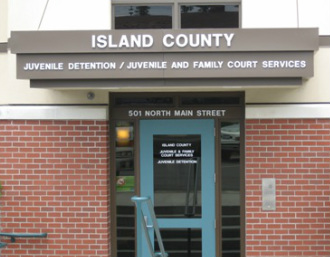
Island County Juvenile Detention
County Jail | Island County — Washington | ICJD | Island County | WA IC
Island County Juvenile Detention is a medium-security juvenile facility located in Coupeville, Island County County, Washington. Operating under the Washington Department of Corrections system, this facility is managed by Fred Swayzer and houses male juvenile offenders. As the primary juvenile detention center serving Island County, the facility provides secure housing for youth awaiting court proceedings or serving sentences. The Coupeville location sits on North Main Street within the county seat, providing centralized access for court appearances and family connections.
Families seeking information about juveniles at this facility can perform an Island County Juvenile Detention inmate search through the county's official channels. The facility supports family connections through scheduled visits, mail correspondence, and commissary deposits. Relatives can send money to Island County Juvenile Detention to support their loved ones' needs during confinement. Families traveling to Coupeville for visits will find the facility centrally located in this Whidbey Island community, accessible via State Route 20.
Island County Juvenile Detention serves as the sole juvenile detention facility for Island County, Washington, making it an essential resource for the unique geography of this island-based county. Located in Coupeville on Whidbey Island, the facility must coordinate carefully with mainland courts and services, requiring specialized transportation logistics across Deception Pass or via ferry systems. This Island County County Washington jail operates with particular attention to the challenges of serving an island population, where families may face additional travel barriers when maintaining connections with detained youth. The facility's medium-security classification allows it to house a range of juvenile offenders while maintaining appropriate supervision levels. As a specialized juvenile facility within the Washington correctional system, it emphasizes age-appropriate programming and rehabilitation rather than purely custodial approaches common in adult facilities.
Island County Juvenile Detention Coupeville WA houses male juvenile offenders ranging from pre-trial detainees awaiting court hearings to adjudicated youth serving dispositional sentences. The population typically includes juveniles charged with offenses ranging from property crimes and theft to more serious felonies, assault charges, and probation violations. Given Island County's relatively small population and island geography, the facility serves a manageable caseload compared to urban juvenile detention centers. The population includes both first-time offenders and repeat juveniles requiring more intensive supervision. Many detained youth face underlying issues including substance abuse, mental health challenges, family instability, and educational deficits. Families researching Island County Juvenile Detention arrest records will find that many cases involve co-occurring factors requiring comprehensive assessment and intervention. The facility maintains protocols for juveniles requiring mental health observation, medical care, or protective housing arrangements when safety concerns arise within the general population.
Island County Juvenile Detention provides secure housing appropriate for its medium-security classification and juvenile population. Youth are typically housed in individual cells or small dormitory-style units with close staff supervision throughout the facility. The cell design balances security requirements with age-appropriate considerations, providing youth with adequate space, lighting, and personal storage. Daily schedules include structured meal times with nutritionally balanced food service designed for growing adolescents, regular recreation periods in designated indoor and outdoor areas, and quiet time for reflection and study. Medical care is available through contracted providers who conduct intake health screenings and respond to ongoing medical needs, with emergency protocols for urgent situations requiring transport to Island County medical facilities. Mental health services are integrated into daily operations, with counselors available to address crisis situations, conduct assessments, and provide ongoing therapeutic support. Youth experiencing behavioral or emotional difficulties can access intervention services before situations escalate. The facility maintains a formal grievance process allowing juveniles to report concerns about conditions, staff interactions, or policy matters, with administrative review ensuring accountability and appropriate responses to legitimate complaints.
Island County Juvenile Detention offers educational programming as a core component of its rehabilitative mission, ensuring detained youth continue their academic progress during confinement. Educational services typically include GED preparation for older juveniles and credit-bearing coursework aligned with Washington state standards, allowing youth to maintain educational continuity. Given the facility's focus on juvenile rehabilitation, programming emphasizes cognitive behavioral interventions designed to address thinking patterns that contribute to delinquent behavior. Substance abuse education and treatment are available for youth whose offenses or backgrounds involve drug or alcohol use, providing both preventive education and clinical intervention. Faith-based programming may be accessible through community volunteers and chaplaincy services, offering spiritual support and moral development opportunities. Life skills training prepares youth for successful community reintegration, covering topics like conflict resolution, anger management, decision-making, and responsibility. Re-entry planning begins early in a youth's stay, coordinating with probation officers, family members, and community providers to establish support systems before release. These programs specifically serve the needs of Island County's youth population, with curriculum adapted to regional contexts and challenges.
Work assignments at Island County Juvenile Detention provide juveniles with structured responsibilities and skill development opportunities appropriate for their age and security classification. Youth may be assigned to kitchen duties including meal preparation assistance, dining area cleanup, and food service distribution under staff supervision. Laundry operations offer another work assignment area where juveniles learn proper clothing care, sorting, washing, and distribution procedures. Facility maintenance tasks such as cleaning common areas, sweeping, mopping, and basic janitorial responsibilities teach work habits and accountability. Grounds keeping assignments during appropriate weather may include yard maintenance, litter removal, and outdoor area upkeep. These work assignments at this medium-security facility provide youth with daily structure while teaching employability skills. Participation in work programs may be recognized through incentive systems or positive behavioral reinforcement, though work credit systems differ significantly from adult correctional facilities given the rehabilitative focus of juvenile justice.
Island County Juvenile Detention was established in Coupeville, Washington, to serve the specific needs of Island County's juvenile justice system, though the exact founding date remains undocumented in available public records. The facility's development reflected Washington state's commitment to providing localized juvenile detention options rather than transporting youth to distant regional facilities. Coupeville's selection as the site location made practical sense given its role as the Island County seat, facilitating coordination with county courts, prosecutors, and defense attorneys handling juvenile cases. Over the years, the facility has adapted to evolving juvenile justice philosophies, shifting from purely custodial approaches toward rehabilitation-focused programming emphasizing education, counseling, and family engagement. The facility has likely undergone physical improvements and policy updates to align with state standards for juvenile confinement, including enhanced mental health services and trauma-informed practices. Today, Island County Juvenile Detention continues serving as the primary secure detention option for Island County youth, maintaining its role within Washington's broader juvenile corrections network while addressing the unique needs of its island community geography.
Island County Juvenile Detention visiting hours are established to facilitate family connections while maintaining facility security and operational requirements. Visitors must provide approved government-issued identification such as a driver's license or state ID card during check-in procedures. The facility enforces dress code restrictions prohibiting revealing clothing, gang-related attire, and items that could compromise security. Prospective visitors should complete any required visitor registration process in advance, which may include background screening to ensure facility safety. Families should search public records to confirm current housing status before traveling to Coupeville for visits. Entry screening includes metal detection and potential search procedures, so visitors should avoid bringing prohibited items. Given that juvenile facilities often have more restrictive visitation policies than adult jails, families should contact Island County Juvenile Detention directly to confirm current visiting hours, approved visitor lists, scheduling procedures, and any special requirements for visiting minors.
Families wishing to contact an inmate at Island County Juvenile Detention should use the correct Island County Juvenile Detention mailing address format to ensure delivery. Letters should be addressed with the juvenile's full legal name, any assigned identification number, followed by Island County Juvenile Detention, 501 North Main Street, Coupeville, WA 98239. All incoming mail undergoes security inspection before delivery to juveniles. Books and magazines must typically come directly from approved vendors or publishers rather than personal senders to prevent contraband introduction. You can also look up arrest records to find booking information and confirm inmate location. Phone contact may be available through prepaid telephone accounts that families establish with the facility's contracted phone service provider. Some juvenile facilities offer email messaging or video visitation services, though availability varies by facility policies and security considerations specific to juvenile populations.
Sponsored and Powered by our Partner TruthFinder
Quick Facts
Should I Be Concerned? — Family Guide
Island County Juvenile Detention operates as a medium security facility with zero reported staff assaults, indicating a generally safe environment for visitors and residents. As a juvenile detention center, the facility prioritizes rehabilitation and education alongside security. When visiting, bring valid government-issued ID, follow the dress code strictly, and arrive during designated visiting hours—call ahead at the facility to confirm current schedules and any restrictions.
Neighborhood & Getting There
Coupeville is a historic waterfront town located on Whidbey Island in Island County, Washington, approximately 60 miles north of Seattle and 30 minutes from the Coupeville ferry terminal. The facility sits in downtown Coupeville on North Main Street, offering easy access via State Route 20. The area features small-town accommodations, local hotels near the waterfront, and Highway 20 provides main vehicle access. Nearby amenities include the Coupeville Historic District, Penn Cove, and ferry services to Port Townsend.