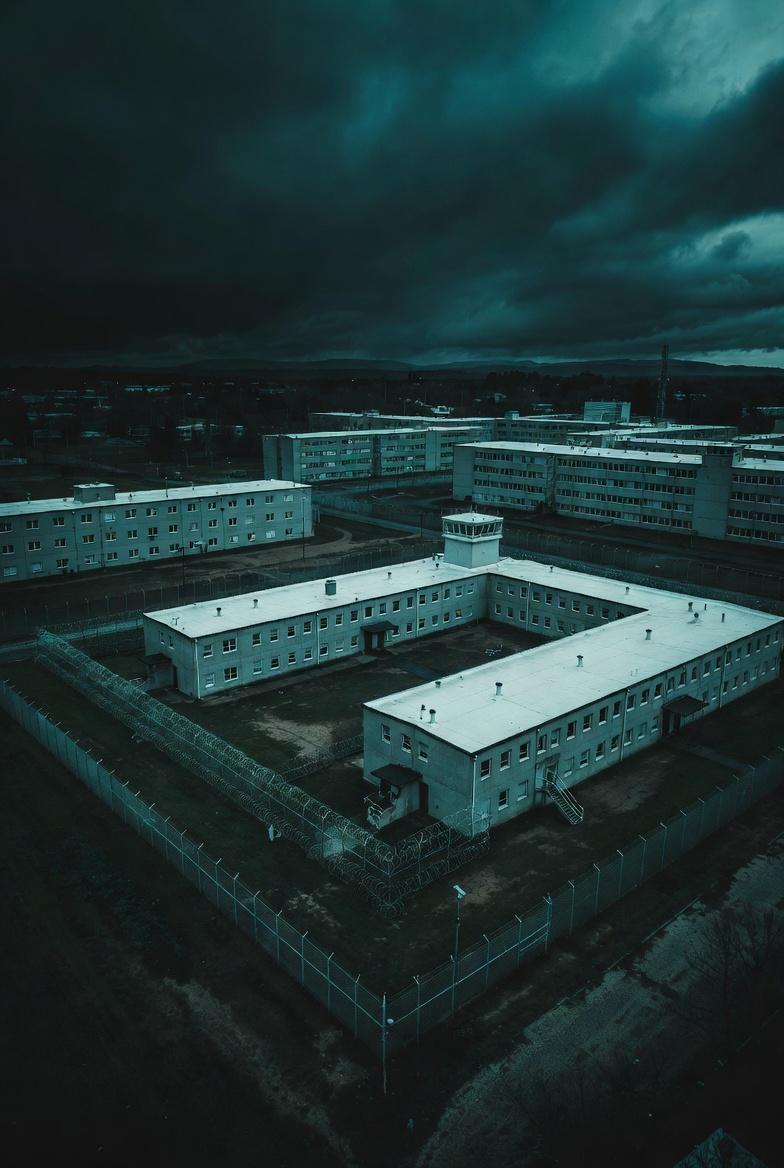
IL DOC - Dwight Correctional Center - CLOSED is a former medium-security correctional facility located in Dwight, Livingston County County, Illinois. This facility operated under the Illinois Department of Corrections system before its permanent closure. The institution primarily housed male inmates serving sentences in the state correctional system. The facility was situated at 23813 East 3200 North Road in Dwight, a small community in central Illinois. While operational details such as warden assignment and exact inmate capacity are not currently available, the facility served as part of Illinois' broader correctional infrastructure for housing medium-security offenders.
Families seeking information about former inmates can search criminal records to verify incarceration history and current placement within the Illinois Department of Corrections system. Since the facility has closed, inmates previously housed at this Dwight Illinois correctional facility have been transferred to other state institutions. Families traveling to the Dwight area for historical information or IL DOC - Dwight Correctional Center - CLOSED arrest records should contact the Illinois Department of Corrections directly for updated inmate location information and transfer records.
What distinguished IL DOC - Dwight Correctional Center - CLOSED within the Illinois correctional system was its location in rural Livingston County County, providing a medium-security facility in central Illinois between major population centers like Chicago and Bloomington. The Dwight facility served an important role in the state's correctional geography, offering a regionally accessible location for families visiting from surrounding counties. The facility's classification as medium-security meant it housed inmates who required more supervision than minimum-security populations but did not pose the highest security risks. The permanent closure of this facility represents a significant shift in Illinois' correctional capacity and has required the redistribution of its former inmate population to other state facilities. The Dwight community historically had economic and employment ties to the correctional center before operations ceased.
During its operational period, IL DOC - Dwight Correctional Center - CLOSED housed a male inmate population classified at the medium-security level. This classification typically included individuals convicted of various felony offenses who had demonstrated behavior suitable for a medium-custody environment but who still required secure housing and supervised activities. The inmate population would have consisted primarily of sentenced individuals serving determinate terms within the Illinois Department of Corrections system rather than pre-trial detainees, who are generally held in county jails. Medium-security facilities like this one in Dwight often housed inmates convicted of property crimes, drug offenses, and some violent crimes where security assessments indicated medium-custody placement was appropriate. Special populations such as those requiring routine medical care or mental health services would have been accommodated based on the facility's available resources, though inmates with highly specialized needs may have been transferred to facilities with enhanced medical or psychiatric units.
Living conditions at IL DOC - Dwight Correctional Center - CLOSED reflected standard medium-security protocols established by the Illinois Department of Corrections. Inmates were typically housed in cell-based units rather than open dormitories, consistent with medium-security classification requirements that balance security needs with less restrictive environments than maximum-security facilities. Housing units would have included double-occupancy cells equipped with basic furnishings including bunks, storage, and sanitation facilities. Daily routines included structured meal times in dining halls, with food services meeting nutritional standards established by state corrections policy. Recreation opportunities would have included access to outdoor yards during designated times, allowing for physical activity and fresh air under staff supervision. Medical care was available through an on-site health services unit staffed to address routine medical needs, with more serious conditions requiring transfer to specialized medical facilities or community hospitals. Mental health services provided assessment and treatment for inmates experiencing psychological difficulties, including counseling and psychiatric medication management where clinically indicated. The facility maintained a grievance process allowing inmates to formally address concerns about conditions, treatment, or policy violations through established administrative channels, ensuring accountability within the institution's operations.
While operational, IL DOC - Dwight Correctional Center - CLOSED offered programming designed to support rehabilitation and prepare inmates for successful reintegration into society. Educational opportunities typically included GED preparation and testing for inmates without high school credentials, recognizing that educational attainment significantly impacts post-release employment prospects. Vocational training programs may have provided skill development in trades relevant to employment opportunities in Livingston County County and throughout Illinois. Substance abuse treatment addressed the needs of inmates whose criminal behavior stemmed from alcohol or drug dependency, utilizing evidence-based therapeutic approaches including group counseling and individual treatment planning. Faith-based programs offered spiritual support and character development through partnerships with religious organizations serving the corrections population. Cognitive behavioral interventions helped inmates develop critical thinking skills, anger management techniques, and prosocial decision-making abilities to reduce recidivism risk. Re-entry planning services prepared inmates approaching release dates by connecting them with community resources, employment assistance, and support networks essential for successful transition back to their home communities across Illinois.
Work assignments at IL DOC - Dwight Correctional Center - CLOSED provided inmates with structured activities and opportunities to develop employment skills applicable after release. Typical institutional work assignments included kitchen operations where inmates prepared and served meals for the facility population, laundry services managing the cleaning and distribution of linens and clothing, maintenance crews responsible for facility upkeep and repairs, and grounds keeping teams maintaining outdoor areas. These assignments served the dual purpose of keeping the facility operational while teaching inmates workplace responsibility, punctuality, and teamwork. Work credits functioned as incentives within the Illinois Department of Corrections system, potentially reducing sentence length for inmates who maintained satisfactory work performance and institutional conduct. Medium-security classification allowed for somewhat greater work assignment flexibility compared to maximum-security restrictions, though all activities remained under appropriate staff supervision.
The establishment of IL DOC - Dwight Correctional Center - CLOSED in Dwight, Illinois reflected the state's evolving correctional needs and capacity planning, though the specific founding date remains undocumented in available public records. The facility operated for a significant period as part of the Illinois Department of Corrections system before its eventual closure. Throughout its operational history, the Dwight facility served as a medium-security institution housing male offenders from across Illinois. The decision to close the facility represented policy and budgetary considerations within the state's broader criminal justice system, including shifts in incarceration rates, facility consolidation efforts, and resource allocation priorities. The closure required careful planning to transfer inmates to other appropriate facilities while minimizing disruption to their programming, visitation arrangements, and case management. The facility's closure impacted the Dwight community economically, as correctional institutions often represent significant local employers. The former IL DOC - Dwight Correctional Center - CLOSED site now stands as part of Illinois' correctional history, representing the changing landscape of state corrections policy and facility operations over recent decades.
Since IL DOC - Dwight Correctional Center - CLOSED has permanently ceased operations, visiting hours are no longer available at this facility. When operational, the facility maintained scheduled visiting hours that allowed approved family members and friends to visit inmates under supervised conditions. The visitation process would have required visitors to present approved government-issued identification, comply with dress code restrictions prohibiting revealing or gang-affiliated clothing, and submit to security screening including metal detectors and potential searches. Visitors would have needed pre-approval through a visitor registration process where background checks verified eligibility. Families can search public records to locate where former Dwight inmates have been transferred within the Illinois Department of Corrections system. Those seeking to visit individuals previously housed at this Dwight Illinois facility should contact the Illinois DOC directly to confirm current placement and visiting hours at the inmate's new location.
Because IL DOC - Dwight Correctional Center - CLOSED is no longer operational, the mailing address at 23813 East 3200 North Road Dwight, IL 60420 is no longer valid for inmate correspondence. Families seeking to contact individuals formerly housed at this facility must first determine the inmate's current location within the Illinois correctional system. You can look up arrest records and transfer information through the Illinois Department of Corrections inmate locator system. Once the current facility is identified, correspondence should follow that institution's specific mailing address format, typically requiring the inmate's full name, Department of Corrections identification number, and the complete facility address. Approved vendors for sending books and magazines, phone account setup procedures, and electronic messaging or video visitation services will depend on the policies at the inmate's current facility rather than the former Dwight location.
Sponsored and Powered by our Partner TruthFinder
Quick Facts
Should I Be Concerned? — Family Guide
IL DOC - Dwight Correctional Center is permanently closed and no longer houses inmates or operates as an active correctional facility. There are no current visiting, communication, or support services available at this location. If you are searching for an inmate previously housed here, contact the Illinois Department of Corrections to determine the inmate's current facility assignment.
Neighborhood & Getting There
Dwight is a small rural community in Livingston County, Illinois, approximately 75 miles south of Chicago and 35 miles north of Bloomington-Normal. The facility is located in the agricultural heartland of central Illinois. The nearest significant city is Joliet to the northeast. Highway access via I-55 and US-66 provides regional connectivity. Limited hotel accommodations are available in nearby Pontiac, approximately 15 miles away.