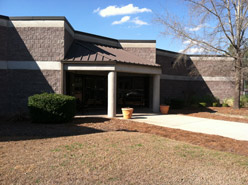
Smith Transitional Center
State Prison | Evans County — Georgia | Georgia Department of Correction
Smith Transitional Center is a minimum security facility for male offenders located in Claxton, Evans County County, Georgia. Established in 2007, this facility operates under the Georgia Department of Corrections system and maintains a capacity of 213 inmates. The center serves as a transitional institution designed to prepare inmates for successful reintegration into their communities. The facility is situated on US Highway 301 in the rural community of Claxton, providing a structured environment focused on rehabilitation and pre-release preparation for male offenders nearing the end of their sentences.
Families seeking information about incarcerated loved ones can conduct a Smith Transitional Center inmate search through the Georgia Department of Corrections online database. Relatives visiting from Claxton and surrounding Evans County areas can schedule visits, send money to commissary accounts, and access arrest records through official channels. The facility's location along Highway 301 makes it accessible for families traveling from Savannah, Statesboro, and other southeastern Georgia communities who need to maintain contact with inmates preparing for release.
Smith Transitional Center distinguishes itself as a specialized reentry facility within the Georgia correctional system, focusing exclusively on preparing male inmates for successful community reintegration. Since opening in 2007, this Claxton Georgia correctional facility has served Evans County and the broader state by providing a transitional setting where inmates nearing release can develop essential life skills and employment readiness. With its 213-bed capacity, the center operates as a stepping stone between incarceration and freedom, offering a less restrictive minimum security environment compared to traditional prisons. Located in rural Evans County along US Highway 301, the facility provides inmates with opportunities to participate in work programs and community-based activities that would be unavailable in higher security institutions, making it a critical component of Georgia's graduated release system.
Smith Transitional Center houses male offenders classified as minimum security who are typically within two years of completing their sentences. The inmate population consists primarily of individuals who have demonstrated good institutional behavior and pose minimal security risks, making them suitable candidates for transitional programming. Inmates at this facility have generally been convicted of non-violent offenses or have successfully progressed through the Georgia corrections system from higher security levels. The population includes individuals preparing for parole or mandatory release dates who require structured reentry support. As a Georgia Department of Corrections facility, Smith Transitional Center does not house pre-trial detainees; all inmates are sentenced offenders. The center may accommodate inmates with special programming needs related to substance abuse recovery, employment training, or those requiring gradual reintegration support before returning to communities throughout Georgia and beyond.
Living conditions at Smith Transitional Center reflect its minimum security classification and transitional mission, with housing arrangements designed to promote responsibility and community living skills. Inmates typically reside in dormitory-style housing units rather than individual cells, fostering an environment that more closely resembles community living than traditional incarceration. This open housing design requires inmates to demonstrate self-discipline and respect for shared spaces. The facility provides three daily meals served in a common dining area, with menus meeting nutritional standards established by the Georgia Department of Corrections. Recreational opportunities include access to an outdoor yard for physical activity and sports during designated times. Medical care is available through on-site healthcare staff who address routine medical needs, with more serious conditions referred to appropriate healthcare facilities. Mental health services support inmates transitioning back to society, addressing anxiety, depression, and adjustment challenges. The grievance process allows inmates to formally address concerns about conditions or treatment, ensuring accountability and communication with facility administration at this Claxton location.
Smith Transitional Center offers comprehensive programs specifically designed to prepare male inmates for successful community reentry. Educational opportunities include GED preparation and completion for inmates lacking high school credentials, providing essential educational foundations for employment. Vocational training programs teach marketable skills in fields such as construction, maintenance, and other trades that align with job markets in Evans County and throughout Georgia. Substance abuse treatment programs address addiction issues that may have contributed to criminal behavior, offering both group and individual counseling. Faith-based initiatives provide spiritual support and character development through partnerships with local religious organizations from the Claxton area. Cognitive behavioral programming helps inmates develop critical thinking skills, emotional regulation, and decision-making abilities necessary for law-abiding citizenship. Reentry and reintegration services are the cornerstone of Smith Transitional Center operations, including job placement assistance, family reunification support, and connections to community resources that will support successful transitions upon release.
Work assignments at Smith Transitional Center provide inmates with valuable job skills, work ethic development, and structured daily routines consistent with the facility's minimum security classification. Inmates participate in essential facility operations including kitchen assignments where they prepare and serve meals, laundry services that maintain cleanliness throughout the institution, and maintenance duties that keep buildings and grounds in proper condition. Grounds keeping assignments teach landscaping and outdoor maintenance skills while beautifying the Claxton campus. Some inmates may be assigned to community work details that allow supervised work outside the facility, preparing them for employment after release. Work credits earned through these assignments can reduce sentence length and demonstrate positive institutional behavior for parole consideration, making work programs integral to the transitional mission of this Georgia facility.
Smith Transitional Center was established in 2007 as part of Georgia's strategic expansion of reentry-focused correctional facilities designed to reduce recidivism through structured pre-release programming. The facility was built in Claxton, a small community in Evans County known for its agricultural heritage, where land availability and proximity to transportation corridors along US Highway 301 made it an ideal location. The center was developed during a period when the Georgia Department of Corrections recognized the critical importance of transitional facilities that bridge the gap between incarceration and community supervision. Since opening, Smith Transitional Center has served thousands of male offenders preparing for release, providing them with skills and support unavailable in traditional prison settings. The facility's location in rural southeastern Georgia reflects the state's effort to distribute correctional resources throughout various regions while serving inmates from across Georgia. Over its operational years, the center has refined its programs to align with evidence-based reentry practices, maintaining its mission as a vital component of the state's correctional continuum.
Families planning to visit Smith Transitional Center should understand that visiting hours and policies are subject to facility rules and periodic changes, so contacting the center directly is essential before traveling to Claxton. Visitors must bring approved government-issued photo identification such as a driver's license, state ID, or passport for entry screening. The visitor registration process requires individuals to be placed on an inmate's approved visitor list prior to their first visit, which may involve background checks and approval from facility administrators. Dress code restrictions prohibit revealing clothing, items resembling inmate uniforms, and other attire deemed inappropriate by facility standards. During entry screening, visitors should expect to pass through metal detectors and have personal belongings inspected for prohibited items. Smith Transitional Center visiting hours typically accommodate weekend and possibly weekday visits, but families should always call ahead to confirm current schedules and any special restrictions that may apply to their specific situation or the inmate's status.
Families wishing to contact inmates at Smith Transitional Center through mail must use the correct Smith Transitional Center mailing address format to ensure delivery. Correspondence should be addressed with the inmate's full legal name and Department of Corrections identification number, followed by Smith Transitional Center, 9676 US Highway 301, PO Box 726, Claxton, GA 30427. All incoming mail is subject to inspection for security purposes, and certain items are prohibited. Books and magazines must typically be sent directly from approved vendors or publishers rather than from personal sources. Families can send money to Smith Transitional Center inmates through authorized services accepted by the Georgia Department of Corrections, including money order services and electronic deposit options. Some inmates may have access to phone services through prepaid telephone accounts that families can establish, and increasingly, email or video visitation services may be available, though families should verify current communication options with facility administrators.
Sponsored and Powered by our Partner TruthFinder
Quick Facts
Should I Be Concerned? — Family Guide
Smith Transitional Center maintains a strong safety record with zero reported staff assaults, reflecting the controlled environment typical of minimum security facilities. As a transitional center, the facility prioritizes rehabilitation and reentry preparation over strict custodial control. While current occupancy levels are unknown, families should expect a focus on programming and preparation for release rather than restrictive conditions. Contact the facility in advance to confirm visiting procedures and any COVID-19 or security protocols currently in effect.
Neighborhood & Getting There
Smith Transitional Center is located in Claxton, Georgia, a small rural community in Evans County in southeast Georgia. The facility sits along US Highway 301, approximately 45 minutes south of Savannah and about 2 hours from Jacksonville, Florida. The area is characterized by rural farmland and pine forests typical of coastal Georgia. Limited hotel accommodations are available in Claxton itself; visitors often stay in nearby Savannah or Hinesville, which offer more services and amenities. The region is accessible primarily by personal vehicle via US 301 and I-95.