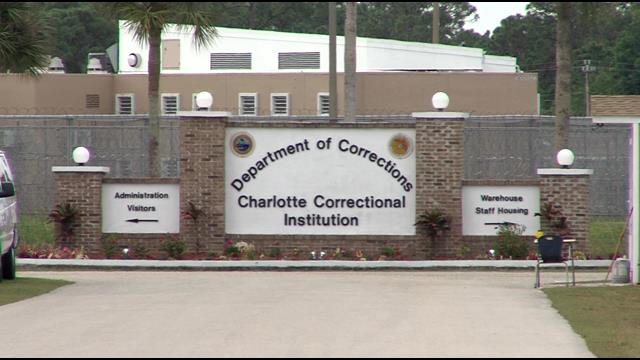
Charlotte Correctional Institution
State Prison | Charlotte County — Florida | CCI │ Florida Department of Corrections
Charlotte Correctional Institution is a state prison facility located at 33123 Oil Well Road in Punta Gorda, Charlotte County, Florida. Operated by the Florida Department of Corrections, this multi-custody institution houses male inmates across close, medium, minimum, and community custody levels. Opened in 1989, the facility currently holds approximately 1,275 inmates with a maximum capacity of 1,291. Warden John Willis oversees daily operations at this comprehensive correctional complex.
Families seeking information about inmates at Charlotte Correctional Institution can use the Florida Department of Corrections inmate search system to locate their loved ones. Resources are available for sending money to inmate accounts, scheduling visitation, and accessing arrest records. Understanding facility policies helps families maintain meaningful contact with incarcerated individuals throughout their sentences.
Charlotte Correctional Institution stands out within the Florida correctional system as a multi-custody facility that manages inmates across four different security classifications under one administrative umbrella. This comprehensive approach allows the institution to house inmates from close custody, requiring maximum supervision, through community custody, where inmates work on assignments outside the secure perimeter. Located in rural Charlotte County along Oil Well Road, the facility benefits from its remote setting which provides security while offering opportunities for agricultural and outdoor work programs. The ability to transition inmates between custody levels within the same institution creates continuity in programming and case management as individuals progress through their sentences.
Charlotte Correctional Institution houses approximately 1,275 adult male offenders serving sentences in the Florida Department of Corrections system. The population spans multiple custody classifications including close custody inmates requiring heightened security measures, medium custody offenders in general population housing, minimum custody inmates preparing for reintegration, and community custody individuals participating in outside work assignments. The facility primarily holds sentenced inmates who have been convicted and are serving their court-ordered terms rather than pre-trial detainees. Offense types range from violent crimes and property offenses to drug-related convictions. The multi-custody structure allows the institution to manage inmates at various stages of their sentences, from initial classification through preparation for release. Some inmates participate in specialized programming based on their individual needs and risk assessments.
Housing at Charlotte Correctional Institution varies according to custody level, with close and medium custody inmates residing in secure dormitories or cells within controlled environments, while minimum and community custody inmates occupy less restrictive housing units. Inmates receive three meals daily prepared according to Florida Department of Corrections nutritional standards and dietary requirements. Recreation opportunities include outdoor yards, indoor dayrooms, and organized activities depending on custody level and security protocols. The facility provides medical services through an on-site healthcare unit staffed by medical professionals who address routine care, chronic conditions, and emergency situations. Mental health services are available for inmates requiring psychological support, counseling, or psychiatric medication management. Inmates have access to a formal grievance process to address concerns about conditions, staff interactions, or policy applications. Library services provide legal resources and recreational reading materials. The institution maintains disciplinary procedures for rule violations while emphasizing accountability and behavioral improvement throughout the inmate population.
Charlotte Correctional Institution offers educational programs including adult basic education and GED preparation classes for inmates seeking to complete their high school equivalency credentials. Vocational training opportunities provide inmates with practical skills applicable to post-release employment in various trades and industries. Substance abuse programming addresses addiction issues through counseling groups, educational sessions, and therapeutic community approaches designed to reduce recidivism among chemically dependent offenders. Religious services and faith-based programs accommodate diverse spiritual traditions with volunteer chaplains and community organizations providing worship services and religious study opportunities. Re-entry preparation programs help inmates develop release plans, identify community resources, and build life skills necessary for successful reintegration. Character-based initiatives focus on personal responsibility, decision-making, and behavioral change. Library resources support self-directed learning and legal research needs throughout the inmate population.
Inmates at Charlotte Correctional Institution participate in various work assignments based on their custody level and institutional needs. Inside jobs include kitchen workers who assist with meal preparation and service, maintenance crews responsible for facility upkeep and repairs, laundry workers, groundskeeping teams, and institutional support positions. Community custody inmates may work on outside assignments including agricultural projects, roadside maintenance crews, and public works initiatives in coordination with local government agencies. These work programs provide inmates with job skills, work ethic development, and structured daily routines while contributing to facility operations and community service projects throughout Charlotte County.
Charlotte Correctional Institution opened in 1989 as part of Florida's prison expansion during a period of increasing incarceration rates and growing correctional populations statewide. The facility was constructed in rural Charlotte County to address capacity needs while providing a multi-custody institution capable of housing inmates at various security levels. The remote location along Oil Well Road offered adequate space for comprehensive programming and security infrastructure. Over more than three decades of operation, Charlotte Correctional Institution has evolved to incorporate updated correctional practices, educational programs, and re-entry initiatives. The facility has weathered multiple hurricanes affecting Southwest Florida, maintaining operations through emergency protocols and recovery efforts. Today, under Warden John Willis's leadership, Charlotte Correctional Institution continues serving as an important component of Florida's correctional system, managing approximately 1,275 inmates while operating near its designed capacity of 1,291.
Visitation at Charlotte Correctional Institution requires all visitors to be approved through the Florida Department of Corrections visitor application process prior to their first visit. Visitors must present valid government-issued photo identification upon arrival. The facility enforces specific dress code requirements that prohibit revealing clothing, certain colors, and items that resemble inmate uniforms. Visitation schedules vary by inmate custody level and housing assignment, with specific days and times designated for different units. Visitors should arrive early to allow time for processing through security checkpoints including metal detectors and search procedures. Children must be accompanied by a parent or legal guardian. Lockers are typically available for storing prohibited items that cannot be brought into the visitation area. Families should contact the institution directly before traveling to confirm current visitation hours, procedures, and any temporary restrictions.
Mail sent to inmates at Charlotte Correctional Institution must include the inmate's full legal name, DC number, and the complete facility address: 33123 Oil Well Road, Punta Gorda, Florida 33955. All incoming mail is subject to inspection according to Florida Department of Corrections regulations. Inmates can receive books, magazines, and educational materials only when sent directly from approved vendors or publishers. Families can set up prepaid telephone accounts to receive calls from inmates, as incarcerated individuals cannot receive incoming calls. Email and electronic messaging services may be available through approved vendors contracted with the Florida Department of Corrections, allowing families to maintain contact between visits and phone calls.
Sponsored and Powered by our Partner TruthFinder
Quick Facts
Should I Be Concerned? — Family Guide
Charlotte Correctional Institution maintains a strong safety record with zero reported staff assaults, indicating effective security management and inmate control across its multi-level facility. With Close through Community security housing, the facility appropriately separates higher-risk inmates from minimum-security populations. Visitors should expect standard security procedures including bag checks and identification verification at entry.
Neighborhood & Getting There
Charlotte Correctional Institution is located in Punta Gorda, Florida, in southwestern Florida's Charlotte County along the Peace River. The facility sits approximately 30 miles south of Fort Myers and 90 miles north of Naples. Punta Gorda offers basic amenities including hotels and restaurants near Highway 41. The rural setting provides limited immediate commercial development, though the area is accessible via I-75 from major Florida metros. Nearby Charlotte Harbor provides regional geographic context.