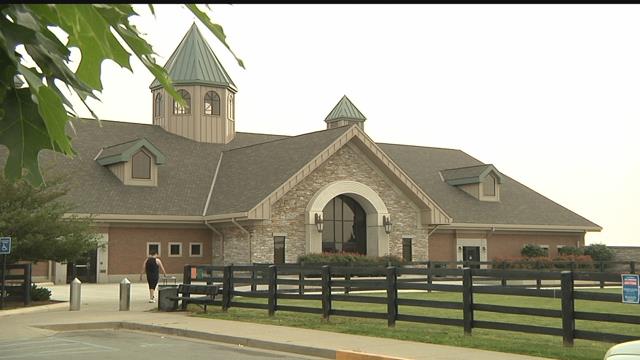
Fayette County Detention Center
State Prison | Fayette County — Kentucky | Fayette County Kentucky Sheriff's Office
Fayette County Detention Center is located at 600 Old Frankfort Circle, Lexington, Kentucky 40510, and serves as the primary detention facility for Lexington and Fayette County under the oversight of the Fayette County Sheriff's Office. Established in 2000, the facility is one of the largest county-level detention centers in the Commonwealth of Kentucky, with a capacity of approximately 2,000 beds. It houses both male and female inmates across a full spectrum of security classifications — from minimum to maximum — serving the criminal justice needs of Kentucky's second-largest urban area and a metropolitan population of over 300,000 residents.
The detention center functions simultaneously as a holding facility for pre-trial detainees awaiting arraignment, bail hearings, or trial, and as a sentenced facility for offenders serving shorter county-level terms. The facility operates under the leadership of the Fayette County Sheriff's Office and is considered one of the most operationally significant detention centers among all Kentucky correctional facilities. Its urban location and large capacity mean it processes a high volume of bookings and releases each year, making it an essential component of Lexington's broader public safety and criminal justice infrastructure.
Families seeking information about a loved one held at Fayette County Detention Center can access the official inmate search tool maintained by the Fayette County Sheriff's Office, review visitation schedules, and find guidance on communication and financial support options. Families who need to verify a person's current incarceration status or review their booking history can also search criminal records through publicly available resources to confirm details before making contact with the facility.
Fayette County Detention Center stands out as one of Kentucky's most significant urban detention facilities, both in terms of its physical scale and the breadth of services it provides. With a capacity of approximately 2,000 beds, it ranks among the largest county-level jails in the entire Commonwealth — a scale that is typically associated with state correctional institutions rather than county facilities. This capacity reflects the sheer size and complexity of Lexington's criminal justice system, which must serve not only the city itself but the broader Fayette County region and, at times, surrounding jurisdictions through intergovernmental agreements.
Beyond its size, the facility is notable for housing inmates across all security classification levels within a single campus. This means the detention center must operate multiple distinct housing environments simultaneously — managing minimum-security dormitory-style populations alongside high-security individual housing units — a logistical challenge that demands sophisticated staffing, classification systems, and internal protocols. Very few county-level facilities in Kentucky operate at this level of complexity.
The facility is also distinguished by its location within one of the state's most economically and culturally dynamic cities. Lexington's status as a regional hub for healthcare, education, and commerce means the detention center intersects with a wide range of community resources, nonprofit organizations, and reentry support services that many rural county jails simply cannot access. This urban advantage has allowed Fayette County Detention Center to develop programming and partnerships that go well beyond what is typical for a county-level facility, making it a model for integrated detention and reentry services in the Commonwealth.
The inmate population at Fayette County Detention Center reflects the full spectrum of criminal justice involvement across Lexington and the surrounding Fayette County area. At any given time, the facility holds a combination of pre-trial detainees — individuals who have not yet been convicted of any crime and are awaiting arraignment, bail determination, or trial — alongside sentenced inmates serving shorter terms for misdemeanor or lower-level felony offenses at the county level. The facility also periodically holds individuals under federal detainers, immigration-related holds, or transfers from surrounding jurisdictions, adding further diversity to its housed population.
In terms of demographics, the population includes both male and female inmates who are housed in separate, dedicated wings of the facility. The facility manages individuals across all security classifications, from those in minimum-security dormitory housing to those requiring maximum-security individual confinement. Specialized housing units are also maintained for populations with particular needs, including individuals with documented mental health conditions, medical requirements, or protective custody designations.
Because Fayette County Detention Center serves as the primary intake point for all law enforcement agencies operating within the county — including the Lexington Division of Police, the Fayette County Sheriff's Office, and state and federal agencies — the booking volume is substantial. The facility processes thousands of new bookings each year, and its population can shift significantly on a day-to-day basis as individuals are released on bond, transferred to state facilities, or discharged following court proceedings. Families trying to locate a loved one should use the official inmate locator or consult our guide on how to find an inmate for step-by-step assistance.
Fayette County Detention Center uses a pod-style housing configuration that organizes inmates into self-contained units based on security classification, gender, medical needs, and other housing considerations. Each pod includes individual or shared sleeping quarters, a central dayroom area for recreation and socializing, and access to restroom and shower facilities within the unit. This design allows correctional officers stationed at a central control point to monitor all inmate activity within the pod efficiently, reducing blind spots and improving both security and response times.
Inmates receive three meals per day, prepared in the facility's central kitchen and served according to a structured schedule. Meals are planned to meet established caloric and nutritional guidelines, and the facility accommodates medically necessary dietary restrictions as documented by health services staff. Kosher, halal, and other religiously motivated dietary accommodations may be available upon formal request, though availability is subject to facility policy and classification status.
Access to personal hygiene items is provided to all inmates upon intake, with additional supplies available for purchase through the facility's commissary system. Commissary orders allow inmates to supplement their daily needs with approved food items, hygiene products, writing materials, and other permitted goods. The commissary is typically accessible on a scheduled weekly basis, and account balances can be funded by family members through the facility's approved payment systems.
Medical care is available on-site through a healthcare unit staffed by qualified medical professionals. Sick call procedures allow inmates to request evaluation and treatment for health concerns, and emergency medical needs are addressed with access to local hospitals when necessary. Mental health services are also integrated into the facility's healthcare framework, recognizing that a significant portion of the incarcerated population has mental health needs that require ongoing management during their detention.
Fayette County Detention Center offers a range of rehabilitative and educational programs designed to address the underlying factors that contribute to criminal behavior and to prepare inmates for a more successful reentry into the community. While program availability can vary depending on staffing levels, facility resources, and an individual's security classification, the facility makes a genuine and ongoing effort to provide structured programming opportunities that extend well beyond basic confinement.
Educational programming is a cornerstone of the facility's rehabilitative mission. GED preparation classes are offered for inmates who have not completed a high school diploma or equivalent credential, providing access to curriculum, study materials, and testing coordination. Literacy instruction is also available for those with lower foundational reading and writing skills. Completing educational credentials while incarcerated has been shown to meaningfully reduce recidivism rates, and the facility's investment in this area reflects an awareness of that evidence.
Substance abuse treatment programs represent another significant component of the facility's programming portfolio. Given that substance use disorders are a contributing factor in a substantial proportion of criminal justice involvement, the facility offers structured treatment groups, counseling sessions, and peer support programs aimed at helping inmates develop the tools necessary for sustained recovery. These programs are often coordinated in partnership with community-based treatment providers operating in the Lexington area.
Life skills and workforce readiness programming addresses practical barriers to successful reentry, including financial literacy, job search skills, resume preparation, and basic communication and conflict resolution training. These programs are often offered in collaboration with community organizations and are designed to help inmates develop the practical competencies needed to secure stable employment and housing after release.
Religious and faith-based programming is available through chaplaincy services, with services, study groups, and pastoral counseling offered across multiple faith traditions. Participation is voluntary, and these programs often serve an important emotional and psychological support function for incarcerated individuals navigating the stress of detention and court proceedings.
Inmates at Fayette County Detention Center participate in work assignments that maintain facility operations and teach job skills. Inside work assignments include kitchen duties where inmates prepare and serve meals, janitorial work maintaining housing units and common areas, and laundry services processing inmate clothing and facility linens. Trustee inmates with minimum security classifications may receive outdoor work assignments including grounds maintenance and facility upkeep tasks. These work programs help reduce operational costs while providing inmates with structure, responsibility, and references for post-release employment. Participation in work assignments is typically voluntary but may result in reduced commissary restrictions or other privileges within the facility's incentive system.
Fayette County Detention Center opened in 2000 as a direct response to the growing incarceration demands placed on Lexington and Fayette County throughout the 1990s. As the region's population expanded rapidly during that decade and law enforcement activity increased alongside it, the older jail facilities that had served the county for generations became critically overcrowded and no longer met modern detention, safety, or operational standards. The construction of the new facility represented one of the most significant investments in the county's criminal justice infrastructure in its history, providing a long-term and sustainable solution to what had become a persistent and serious capacity problem.
The new facility was deliberately designed with a pod-style housing architecture, replacing the older linear cell-block model that had been standard in earlier jail construction for much of the twentieth century. The pod-based approach organizes inmates into self-contained housing units, each with its own dayroom, sanitation facilities, and monitoring stations, which allows correctional staff to supervise populations more effectively while reducing tension and improving safety for both inmates and officers. This design philosophy was widely adopted in modern jail construction during the 1990s and reflected Fayette County's commitment to building a facility that could operate efficiently well into the future.
Since opening, Fayette County Detention Center has expanded its programming, services, and operational capacity to keep pace with the evolving demands of the local criminal justice system. The facility has developed partnerships with community organizations, treatment providers, and educational agencies over the years, gradually building out the rehabilitative infrastructure that defines its modern identity. Its history is one of continuous adaptation — from a new-construction solution to an overcrowding crisis into a full-service detention facility that plays a central role in Lexington's approach to public safety and community reentry.
No widely documented famous former inmates are currently associated with Fayette County Detention Center. As a county-level facility primarily housing pre-trial detainees and shorter-term sentenced individuals, it does not typically hold high-profile inmates for extended periods before transfers to state or federal institutions occur. Individuals seeking to review the arrest or booking history of a specific person who may have been held at this facility can search criminal records through publicly available resources for booking information, charge details, and incarceration history.
Visiting a loved one at Fayette County Detention Center requires advance preparation and strict adherence to the facility's rules and procedures. All visitors must present a valid government-issued photo ID — such as a driver's license, state identification card, or passport — upon arrival at the facility. Visitors who do not carry acceptable identification will be turned away, regardless of their relationship to the inmate, so it is essential to confirm ID requirements before making the trip.
Before visiting for the first time, prospective visitors are typically required to register and be approved through the facility's visitor management system. This process may involve a background screening component, and individuals with certain criminal histories may be denied visitation privileges. Approval is not guaranteed, and families should submit registration as early as possible to avoid delays in being able to visit. Inmates may also have a limited number of approved visitors on their visitation list, so coordination between family members is advisable.
Visitation at Fayette County Detention Center is conducted according to a scheduled visitation system, with specific days and times assigned based on the inmate's housing pod or unit. Visits are not walk-in and schedules must be respected — arriving late may result in a visit being denied. Families should confirm the current visitation schedule directly with the facility, as schedules are subject to change due to facility operations, lockdowns, or holidays. Official visitation information is available on the Fayette County visitation information page.
All visitors are subject to search procedures upon entry, which may include metal detector screening, pat-down searches, and inspection of any items brought to the facility. Dress code policies are enforced — visitors wearing clothing that resembles inmate attire, is deemed revealing, or violates facility standards may be refused entry. Children visiting the facility must be accompanied by an approved adult guardian at all times. In addition to in-person visits, the facility may offer video visitation options, which allow family members to connect remotely without traveling to the facility — a convenient alternative for those who live at a distance or have transportation challenges. Families can also send money to an inmate's commissary account to help support their loved one's daily needs during incarceration.
Staying in contact with an incarcerated family member at Fayette County Detention Center is possible through several channels, each with its own procedures and requirements. Mail remains one of the most accessible and widely used forms of communication. All letters sent to inmates must include the inmate's full legal name, their booking number, and the facility's complete mailing address: 600 Old Frankfort Circle, Lexington, Kentucky 40510. Mail that is missing required information may be returned to the sender or discarded. All incoming mail is screened by facility staff before delivery, and any content that violates facility rules — including contraband, coded language, or prohibited materials — will be confiscated.
Telephone calls are available to inmates through the facility's contracted phone service provider. Calls are typically initiated by the inmate and are subject to per-minute rates that vary by provider and call type. All calls are recorded and monitored, with the exception of privileged attorney-client communications. Family members who wish to receive calls should ensure their phone number is on the inmate's approved contact list and that they understand how to set up a prepaid account with the facility's phone vendor to avoid interruptions in service.
Electronic messaging services may be available through the facility's contracted communication platform, allowing families to send and receive written messages electronically. These services typically require account registration on the provider's platform and may involve a per-message fee. Photos and other digital attachments may be permitted depending on the platform and facility policy, though all electronic communications are subject to monitoring and review.
For families who are unsure of an inmate's current location or booking status, the official Fayette County inmate search tool provides real-time booking information. You can also review our comprehensive guide on how to find an inmate for additional resources and tips on locating incarcerated individuals across Kentucky's detention system.
Sponsored and Powered by our Partner TruthFinder
Quick Facts
Should I Be Concerned? — Family Guide
Fayette County Detention Center maintains an exemplary safety record through rigorous security protocols, professional staff management, and state-of-the-art facility design. The evidence-based classification system ensures each inmate is appropriately housed according to individual risk assessments, creating a secure environment for all staff members, authorized visitors, and detainees. Advanced intake screening procedures, including background verification and behavioral assessments, are conducted on all individuals entering the facility.
Family members visiting the detention center can expect professional, secure visitation environments with clear safety procedures in place. The facility's commitment to operational excellence and staff training ensures that visiting areas are monitored and managed to maintain a safe experience for families while protecting facility security. All visitors must comply with established protocols and pass required screening before accessing visitation areas.
Neighborhood & Getting There
Fayette County Detention Center is conveniently located at 600 Old Frankfort Circle in Lexington, Kentucky's vibrant downtown area. The facility enjoys excellent accessibility via Interstate 75 and Interstate 64, making it easily reachable for families visiting from throughout Kentucky and neighboring states. Louisville is approximately 80 miles northwest, Cincinnati is about 110 miles northeast, and the facility sits in the heart of Kentucky's historic Bluegrass region.
The surrounding area offers numerous accommodations for visiting families, including hotels within minutes of the detention center such as the Hilton Lexington Downtown, Kimpton Hotel Lexington, and various budget-friendly options along Man O' War Boulevard. The downtown Lexington area features restaurants, shopping, and services convenient for families planning overnight visits. The facility's central location provides easy access from all parts of the Lexington metropolitan area and surrounding counties.