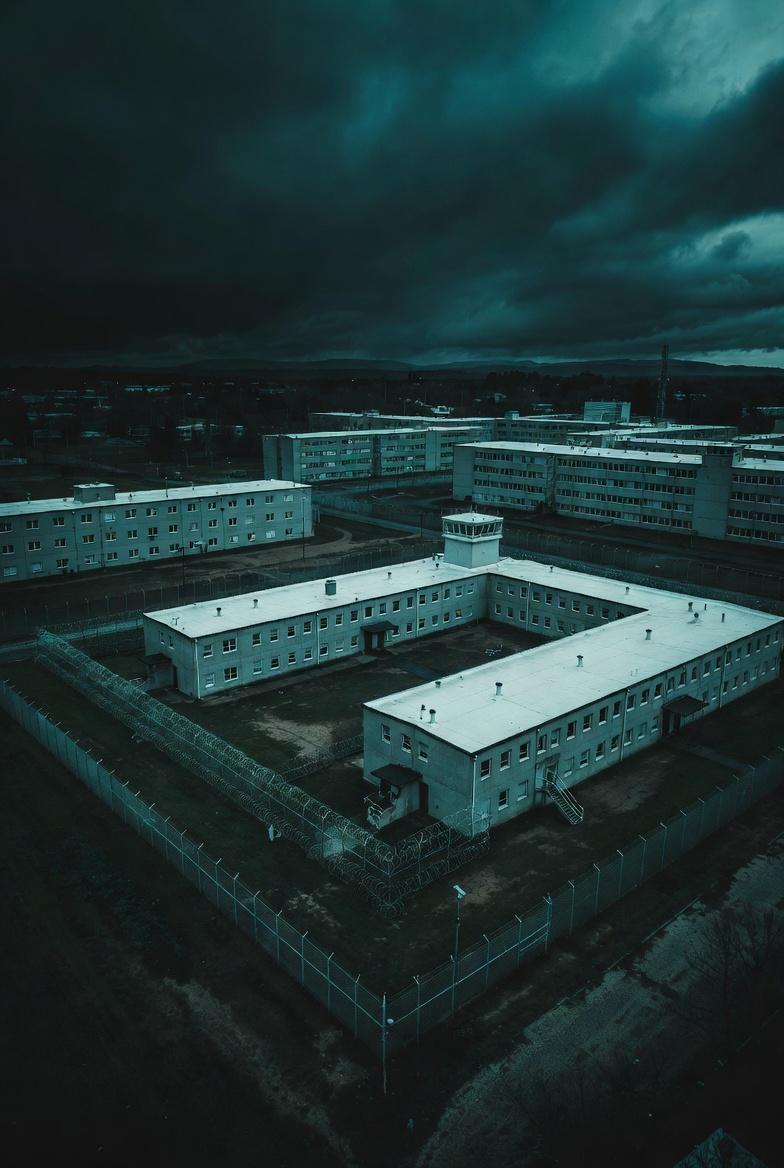
Essex County MA Juvenile Detention is located at 65 Marston Street in Lawrence, Massachusetts, serving as a medium-security facility within the Massachusetts Department of Corrections system. This juvenile detention center houses male youth offenders from Essex County and surrounding areas. The facility operates under state guidelines designed specifically for housing and rehabilitating juvenile offenders, providing a structured environment that balances security with age-appropriate programming and services.
Families seeking information about detained youth can use inmate search services to locate individuals housed at this facility. Relatives may send money to detainees, schedule visits following approved protocols, and access arrest records through appropriate channels. Understanding facility procedures helps families maintain contact with detained juveniles during their time at Essex County MA Juvenile Detention.
Essex County MA Juvenile Detention occupies a strategic position in Lawrence, a diverse urban center in the Merrimack Valley region. The facility's location in Lawrence, one of Massachusetts' Gateway Cities with a predominantly Hispanic population, means staff regularly work with families from varied cultural and linguistic backgrounds. This demographic reality influences how the facility approaches family engagement, communication, and culturally responsive programming. The detention center serves Essex County's northeastern Massachusetts communities, handling youth from cities including Lawrence, Haverhill, Lynn, and Salem, reflecting the county's mix of urban, suburban, and former industrial areas with distinct socioeconomic challenges affecting juvenile justice involvement.
The facility houses male juveniles classified as medium-security risks within the Massachusetts juvenile justice system. The population includes youth detained pre-trial awaiting court proceedings and those serving committed sentences after adjudication. Offense types range from property crimes and drug-related charges to more serious violent offenses, though specific population data remains undisclosed. Classification decisions consider factors including age, offense severity, behavioral history, and safety concerns. Special populations may include youth requiring mental health intervention, those with substance abuse histories, and individuals needing educational support. The transient nature of juvenile detention means the population fluctuates as youth move through court processes, transition to placement facilities, or return to the community under supervision.
Housing at Essex County MA Juvenile Detention typically consists of secured units designed for juvenile populations, with rooms or cells arranged to allow staff supervision while providing age-appropriate accommodations. Youth receive three daily meals meeting nutritional standards for developing adolescents, with accommodations for dietary restrictions and religious requirements. Recreation opportunities include both indoor and outdoor activities, allowing detained youth physical exercise and structured leisure time essential for adolescent development. Medical services address immediate healthcare needs, routine examinations, and medication management for chronic conditions.
Mental health services are particularly important given the high prevalence of trauma, behavioral disorders, and emotional challenges among detained youth. Counseling, crisis intervention, and psychiatric services help address these needs. The facility maintains a grievance process allowing detained youth to formally report concerns about conditions, treatment, or rights violations. Staff training emphasizes developmentally appropriate interaction with juveniles, recognizing the unique vulnerabilities and needs of young people in secure settings.
Educational programming is legally mandated for juveniles in detention, with the facility providing instruction to ensure youth continue academic progress during confinement. Teachers deliver curriculum covering core subjects, and eligible youth may work toward high school diplomas or equivalency credentials. Vocational programming introduces detained youth to potential career paths and develops practical skills applicable after release. Substance abuse education and treatment programs address drug and alcohol issues common among juvenile justice populations, employing age-appropriate approaches to addiction recovery. Religious services and faith-based programming are available for youth seeking spiritual support. Re-entry preparation helps youth transition back to the community, focusing on life skills, family reunification, education or employment planning, and avoiding recidivism through structured support during the critical post-release period.
Work assignments within Essex County MA Juvenile Detention focus primarily on facility maintenance and operations rather than traditional prison industries. Youth may participate in assignments including kitchen duties, cleaning responsibilities, laundry services, and general facility upkeep. These assignments teach responsibility, work habits, and practical skills while contributing to daily operations. Work programs for juveniles emphasize educational and developmental value rather than labor production, with assignments designed to build character and prepare youth for employment after release. Any work participation typically involves appropriate compensation through incentive systems, recognizing that juvenile facilities prioritize rehabilitation and skill development over the production-oriented work programs common in adult correctional institutions.
The establishment and operational history of Essex County MA Juvenile Detention at its Marston Street location in Lawrence reflects Massachusetts' evolving approach to juvenile justice. While specific founding dates remain undocumented in available records, the facility emerged during periods when the Commonwealth worked to separate juvenile offenders from adult populations and provide age-appropriate detention environments. Lawrence's selection as a detention site reflects the city's historic role as an Essex County population center and its existing public infrastructure. The facility has operated through decades of changing juvenile justice philosophy, from more punitive approaches to current emphases on rehabilitation, treatment, and evidence-based practices. Its continued operation addresses ongoing needs for secure juvenile detention capacity in northeastern Massachusetts, serving communities where economic challenges, substance abuse, and family disruption contribute to youth involvement in the justice system.
Visitation at Essex County MA Juvenile Detention allows families to maintain crucial connections with detained youth. Visitors must present valid government-issued photo identification and typically undergo approval processes before scheduling visits. Dress codes prohibit clothing resembling institutional uniforms, overly revealing attire, and items that could pose security concerns. The visitor approval process may include background checks, particularly for non-family members. Scheduling procedures vary, and families should contact the facility directly to confirm current visitation days, times, and procedures, as juvenile facilities often maintain different protocols than adult institutions. Visits occur in designated areas under staff supervision. Families should call ahead to verify requirements, confirm the youth's housing status, and understand any restrictions that might affect visitation eligibility or procedures.
Mail sent to youth at Essex County MA Juvenile Detention should include the detainee's full legal name, identification number if known, and the facility address at 65 Marston Street, Lawrence, MA 01841. All incoming mail undergoes inspection following facility security protocols. Books and publications typically must arrive directly from approved vendors or publishers to prevent contraband introduction. Phone contact allows detained youth to maintain family connections, with facilities usually operating collect-call systems or prepaid phone account programs that families fund. Specific phone providers and account setup procedures require direct facility contact. Email or electronic messaging availability varies by facility policy. Families should verify current communication options and restrictions by contacting Essex County MA Juvenile Detention directly.
Sponsored and Powered by our Partner TruthFinder
Quick Facts
Should I Be Concerned? — Family Guide
Essex County MA Juvenile Detention maintains a medium security classification with zero reported staff assaults, indicating a relatively stable operational environment. The facility prioritizes rehabilitation programming for youth, which supports safer conditions. When visiting, families should arrive early, bring valid identification, and contact the facility in advance to confirm visiting policies and any special requirements for juvenile detainees.
Neighborhood & Getting There
Lawrence, Massachusetts is located in Essex County in the Merrimack Valley region, approximately 25 miles north of Boston and accessible via Interstate 495. The area offers multiple highway access points and is served by major routes including Route 1 and Route 129. Lawrence is a city with diverse amenities, and nearby hotels are available along major corridors. The facility's location provides reasonable access from the greater Boston metropolitan area.