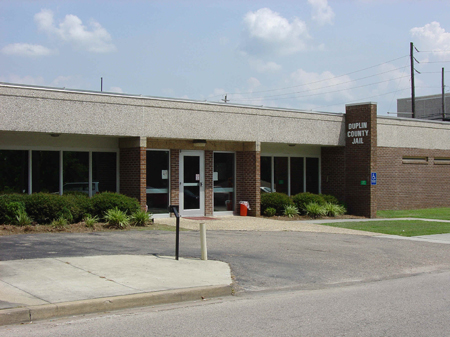
Duplin County Detention Center
County Jail | Duplin County — North Carolina | Duplin County Sheriff's Office
Duplin County Detention Center is a minimum security detention facility located at 208 Duplin Street in Kenansville, North Carolina. Operated under the North Carolina Department of Corrections system, this facility houses male inmates with a capacity of 97 individuals. The detention center serves Duplin County, which is located in the southeastern region of North Carolina. Captain Dexter Fort oversees facility operations, ensuring compliance with state corrections standards and managing daily detention center functions.
Families seeking information about inmates at Duplin County Detention Center can conduct inmate searches through the North Carolina Department of Corrections system. The facility accepts mail correspondence and visitor applications. Family members can send money to inmates' accounts for commissary purchases and phone services. Understanding arrest records and booking procedures helps families navigate the detention process and maintain contact with their incarcerated loved ones.
Duplin County Detention Center serves a predominantly rural agricultural community in southeastern North Carolina, reflecting the unique demographic and economic characteristics of Duplin County. As a minimum security facility with a modest 97-bed capacity, it maintains a smaller operational scale compared to regional jails, allowing for more direct oversight and individualized detention management. The facility's location in Kenansville, the county seat with a population under 1,000 residents, positions it within a tight-knit community where detention staff often have connections to the broader county population. This rural setting distinguishes it from urban detention centers, creating different challenges and opportunities in terms of resource access, family visitation distances, and community reintegration planning for released individuals.
Duplin County Detention Center houses male inmates classified as minimum security risks within the North Carolina corrections system. The facility primarily holds individuals awaiting trial who cannot make bail, as well as those serving short-term sentences for misdemeanor offenses and some lower-level felonies. Given Duplin County's agricultural economy and rural character, the inmate population often includes individuals charged with property crimes, drug-related offenses, driving violations, and domestic incidents. Pre-trial detainees constitute a significant portion of the population as they await court proceedings in the Duplin County judicial system. The facility also occasionally houses probation and parole violators awaiting hearings. As a minimum security facility, inmates generally do not include those charged with violent felonies or individuals deemed high security risks, who would be transferred to higher security state facilities.
Duplin County Detention Center provides housing in a dormitory-style or cell-block configuration appropriate for its minimum security classification and 97-inmate capacity. Inmates receive three meals daily prepared according to North Carolina Department of Corrections nutritional standards. The facility offers limited recreation opportunities, which may include outdoor yard time and indoor activities depending on space availability and security protocols. Medical services are provided through contracted healthcare providers or county health services, with inmates receiving sick call access and emergency medical care when needed. Mental health services include screening at intake and referrals for individuals requiring ongoing treatment or crisis intervention. The detention center maintains a grievance process allowing inmates to formally address concerns about conditions, staff interactions, or facility policies. Daily routines include scheduled count times, meal periods, and assigned housing unit activities. Inmates have access to basic hygiene items and are expected to maintain cleanliness in their housing areas under staff supervision.
As a minimum security county detention facility, Duplin County Detention Center offers limited programming compared to larger state correctional institutions. Educational opportunities may include basic literacy instruction and GED preparation for eligible inmates serving longer sentences or awaiting trial. Religious services and spiritual counseling are typically available through volunteer chaplains and local faith community representatives who visit the facility. Substance abuse education programs may be offered, particularly for inmates whose charges involve drug or alcohol-related offenses, though comprehensive treatment programs are generally reserved for state facilities. The detention center may coordinate with community organizations to provide re-entry planning assistance for inmates preparing for release, including information about housing resources, employment opportunities, and social services available in Duplin County. Work assignments within the facility help maintain daily operations while providing inmates with structured activity and responsibility during their detention period.
Inmates at Duplin County Detention Center participate in work assignments that support daily facility operations and maintenance. Inside jobs include kitchen duty assisting with meal preparation and cleanup, laundry services managing bedding and clothing, and janitorial tasks maintaining cleanliness throughout housing units and common areas. Inmates may also be assigned to facility maintenance work under staff supervision. Given the facility's minimum security classification and county-level operation, outside work details may be available for eligible inmates with appropriate security clearances, potentially including grounds maintenance, roadside litter removal for the county, or other public works projects. These work assignments provide structure to daily routines while reducing operational costs for Duplin County and offering inmates opportunities to develop work habits beneficial upon release.
Duplin County Detention Center serves as the primary detention facility for Duplin County, which was established in 1750 as one of North Carolina's older counties. While the exact founding date of the current detention center facility is not documented in available records, county jails have served Kenansville as the county seat for generations. The facility at 208 Duplin Street represents the county's ongoing commitment to maintaining local detention capacity for pre-trial detainees and sentenced misdemeanants. With its current 97-bed capacity, the detention center reflects the population needs of Duplin County, which has grown modestly over recent decades while maintaining its rural agricultural character. Under the leadership of Captain Dexter Fort, the facility continues to operate within the North Carolina Department of Corrections framework, adapting to evolving standards for inmate management, safety protocols, and rehabilitation approaches while serving the judicial and public safety needs of southeastern North Carolina's Duplin County community.
Visitation at Duplin County Detention Center requires advance approval and adherence to facility rules established by Captain Dexter Fort and detention staff. Visitors must present valid government-issued photo identification such as a driver's license, state ID, or passport upon arrival. The facility enforces a dress code prohibiting revealing clothing, offensive graphics, and items that resemble inmate uniforms or staff attire. Visitors should expect to pass through security screening, which may include metal detectors and bag searches. Scheduling procedures and visiting hours vary, so families should contact the facility directly before traveling to Kenansville to confirm current visitation policies, available time slots, and any restrictions. Minors typically require accompaniment by a parent or legal guardian. The facility may limit the number of visitors per inmate and the duration of visits based on operational needs and security considerations.
Mail sent to inmates at Duplin County Detention Center should be addressed with the inmate's full name and booking number, followed by the facility's mailing address at PO Box 908, Kenansville, NC 28349. All incoming mail undergoes inspection by detention staff for security purposes, and items violating facility rules will be rejected. Books and publications typically must come directly from approved vendors or publishers rather than personal senders. Inmates can make outgoing phone calls through the facility's phone system, which requires recipients to establish prepaid accounts with the contracted telephone service provider. Families should inquire about available communication options, as some detention facilities now offer email or video messaging services through third-party vendors, though availability varies by facility contract arrangements.
Sponsored and Powered by our Partner TruthFinder
Quick Facts
Should I Be Concerned? — Family Guide
Duplin County Detention Center maintains a minimum security classification with zero reported staff assaults, indicating a relatively safe environment for both inmates and visitors. The facility's small capacity of 97 beds suggests manageable operations typical of rural North Carolina county detention centers. When planning a visit, contact the facility directly to confirm current visiting hours and any entry requirements, as procedures may vary based on inmate classification and visitation schedules.
Neighborhood & Getting There
Kenansville is a small rural town in eastern North Carolina's Duplin County, located approximately 40 miles southeast of Goldsboro and 90 miles southeast of Raleigh. The area is characterized by agricultural landscapes and small-town infrastructure typical of eastern North Carolina. Visitors traveling from major metros should plan for rural highway driving; limited hotel options exist nearby, with basic accommodations available in nearby larger towns like Wallace or Goldsboro along US Route 117 and NC Highway 11 corridors.