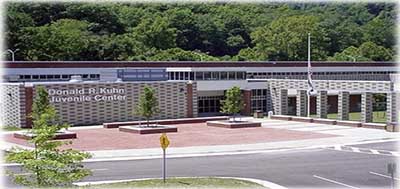
Donald R. Kuhn Juvenile Diagnostic & Detention
State Prison | Boone County County — West Virginia | West Virginia Division of Juvenile Services
Donald R. Kuhn Juvenile Diagnostic & Detention is located at One Lory Place in Julian, Boone County, West Virginia. Operated by the West Virginia Department of Corrections, this maximum security facility serves male juvenile offenders with a capacity of 48 beds. The facility provides both diagnostic evaluation services and secure detention for youth involved in the state's juvenile justice system. Its location in Julian places it in the southern region of West Virginia.
Families seeking information about juveniles at Donald R. Kuhn can conduct inmate searches through the West Virginia Department of Corrections. The facility processes requests for visitation, accepts funds for juvenile accounts, and maintains records related to youth commitments and diagnostic assessments. Understanding facility procedures helps families maintain contact with incarcerated juveniles during their detention or evaluation period.
Donald R. Kuhn Juvenile Diagnostic & Detention serves a dual function within West Virginia's juvenile justice system as both a diagnostic center and a secure detention facility. The diagnostic component means juveniles undergo comprehensive evaluations including psychological assessments, educational testing, and behavioral observations to inform court decisions and treatment planning. This distinguishes it from standard juvenile detention centers that only provide secure housing. The facility's maximum security designation indicates it handles youth who require the most restrictive placement due to serious offenses or public safety concerns. Located in the small community of Julian in Boone County, the facility serves youth from across West Virginia requiring this specialized level of assessment and security.
Donald R. Kuhn Juvenile Diagnostic & Detention houses male juveniles classified as requiring maximum security placement within West Virginia's juvenile justice system. The population includes youth awaiting adjudication who need secure detention, juveniles undergoing court-ordered diagnostic evaluations to determine appropriate placement and treatment needs, and those serving committed time for serious delinquent offenses. Offense types range from violent crimes and weapons charges to repeated property offenses and violations of probation. The facility serves both pre-adjudicated youth detained pending court proceedings and post-adjudicated juveniles serving commitments. The diagnostic function means the population includes youth whose cases require comprehensive evaluation before final disposition. With a capacity of 48 beds, the facility manages a focused population requiring intensive supervision and assessment services.
Donald R. Kuhn Juvenile Diagnostic & Detention provides secure housing in a structured environment appropriate for maximum security juvenile placement. Youth are housed in units with cells or rooms designed for constant supervision and safety. Daily schedules include structured meal times with food service meeting nutritional requirements for adolescents. Recreation opportunities occur in controlled settings with both indoor and outdoor options depending on security considerations and weather conditions. Medical services address basic healthcare needs including medication management, sick call, and emergency care. Mental health services are integral to the facility's diagnostic function, with clinical staff conducting assessments and providing counseling. Educational services continue during detention to maintain academic progress. The grievance process allows juveniles to formally address concerns about conditions, treatment, or facility operations. All aspects of daily life operate under strict supervision given the maximum security classification and the facility's responsibility for youth safety and assessment.
Programming at Donald R. Kuhn Juvenile Diagnostic & Detention focuses on assessment, education, and behavioral intervention appropriate for a maximum security juvenile facility with diagnostic responsibilities. Educational services ensure youth continue schoolwork during their stay, with teachers addressing individual learning needs identified through diagnostic testing. Substance abuse education addresses addiction issues common among juvenile offenders. Behavioral modification programs help youth develop self-control and decision-making skills. Religious services and pastoral counseling are available for spiritual support. The diagnostic function means much programming centers on evaluation rather than long-term treatment, with comprehensive assessments informing recommendations for future placement and services. Life skills instruction prepares youth for reintegration or transition to other facilities. Individual and group counseling address behavioral health needs. Programming adapts to the shorter-term nature of diagnostic stays while providing structure and intervention for those serving longer commitments.
Work assignments at Donald R. Kuhn Juvenile Diagnostic & Detention focus primarily on facility maintenance and operations rather than external industries, given the maximum security juvenile population. Youth may participate in unit housekeeping, including cleaning common areas and maintaining living spaces as part of daily responsibilities. Kitchen duties such as meal service and dishwashing provide work experience under staff supervision. Laundry operations offer additional work opportunities. These assignments teach basic work habits, responsibility, and contribute to facility operations while maintaining security protocols appropriate for juvenile offenders. The emphasis remains on assessment, education, and treatment rather than extensive work programs, reflecting the facility's diagnostic mission and the developmental needs of its young population.
Donald R. Kuhn Juvenile Diagnostic & Detention operates at One Lory Place in Julian, West Virginia, though specific founding dates are not publicly documented in available records. The facility was named for Donald R. Kuhn, reflecting his contribution to West Virginia's juvenile justice system, though details of his service are not widely published. The facility developed as West Virginia recognized the need for specialized juvenile facilities combining secure detention with diagnostic assessment capabilities. Located in Boone County's rural setting, the Julian location provides separation from urban areas while remaining accessible for youth from across the state requiring maximum security placement and comprehensive evaluation. The facility's dual mission addresses court needs for informed disposition decisions through diagnostic services while providing secure detention for youth awaiting adjudication or serving commitments. It continues serving as a critical component of West Virginia's juvenile justice infrastructure for male youth requiring this specialized level of care and security.
Visitation at Donald R. Kuhn Juvenile Diagnostic & Detention operates under strict protocols given the maximum security juvenile setting. Visitors must receive prior approval through a screening process before being placed on an approved visitor list. Valid government-issued photo identification is required for all visitors. Dress codes prohibit clothing resembling facility uniforms, revealing attire, or items that could compromise security. Visitation schedules are limited and may vary based on the juvenile's housing assignment and behavior. Contact visits may be restricted depending on security classification. The facility may limit the number of visitors per session and the duration of visits. Families should contact the facility directly before traveling to confirm current visitation days, hours, specific rules, and to verify their approval status, as juvenile facilities often have more restrictive policies than adult institutions.
Correspondence to juveniles at Donald R. Kuhn Juvenile Diagnostic & Detention should be addressed with the youth's full name and identification number, followed by One Lory Place, Julian, WV 25529. All incoming mail undergoes inspection for security purposes before delivery. Restrictions typically apply regarding acceptable mail content, with prohibitions on items that could compromise security or contain inappropriate material. Books and magazines generally must come directly from approved vendors or publishers rather than personal senders. Phone access for juveniles operates through monitored systems with families establishing prepaid accounts or accepting collect calls depending on facility phone policies. Policies regarding electronic communication vary in juvenile facilities. Families should confirm current mail rules, phone account setup procedures, and any available electronic messaging systems by contacting the facility directly.
Sponsored and Powered by our Partner TruthFinder
Quick Facts
Should I Be Concerned? — Family Guide
Donald R. Kuhn operates as a maximum security juvenile facility with zero reported staff assaults, indicating strong operational safety practices. As a diagnostic center, it prioritizes assessment and rehabilitation over general detention. Families should expect controlled visiting procedures, security screening, and limited contact visits typical of maximum security juvenile facilities. Call ahead to confirm current visiting schedules and restrictions.
Neighborhood & Getting There
Julian is a small rural community in Boone County, West Virginia, located in the heart of Appalachia. The facility sits approximately 60 miles south of Charleston, West Virginia's capital, with a 90-minute drive from the Charleston metropolitan area. The region is characterized by mountainous terrain and limited commercial development. Visitors should plan for rural highway access via US-60 and local roads; lodging and dining options are minimal nearby, making Charleston the practical hub for overnight accommodations and supplies.