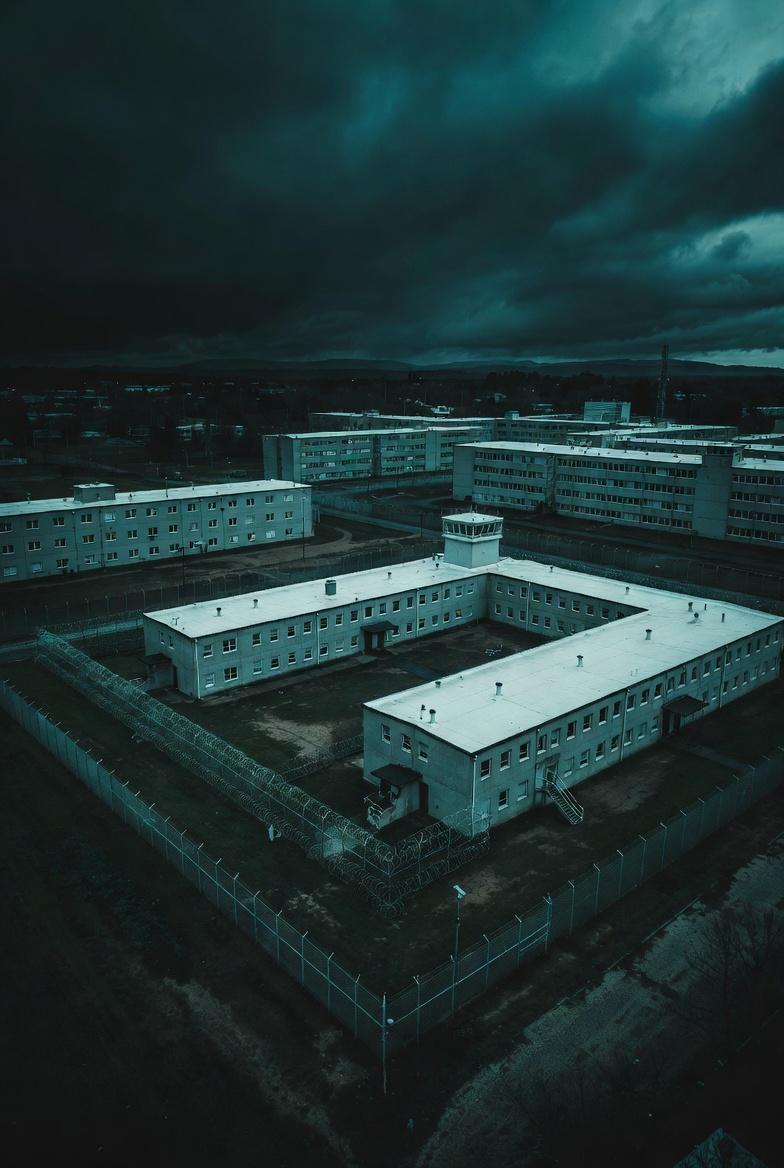
Dona Ana County NM Juvenile Detention is located at 1850 Cooper Loop in Las Cruces, New Mexico, serving Dona Ana County and the surrounding southern New Mexico region. Operating under the New Mexico Department of Corrections system, this medium-security facility houses male juveniles. The detention center sits in New Mexico's second-largest city, positioned near the Mexican border in the Mesilla Valley. The facility serves as a secure placement for youth involved in the juvenile justice system throughout the county.
Families seeking information about detained juveniles can conduct inmate searches through county resources, send money for commissary accounts, schedule visits during designated hours, and access arrest records. Understanding the specific procedures for juvenile facilities helps families maintain crucial connections during a young person's detention.
Dona Ana County NM Juvenile Detention operates within a unique border region context, serving a predominantly Hispanic community in southern New Mexico's largest county by area. The facility specifically houses male juveniles exclusively, requiring different programming and supervision approaches than co-ed youth facilities. Located in Las Cruces, a university town with New Mexico State University nearby, the detention center exists within a community balancing educational opportunity with border-related challenges. The facility's position in Dona Ana County means it serves both urban Las Cruces youth and those from rural communities stretching across nearly four thousand square miles of desert terrain, requiring staff familiar with diverse cultural backgrounds and socioeconomic circumstances affecting detained youth.
The juvenile population at Dona Ana County NM Juvenile Detention consists of male youth facing various classifications within the New Mexico juvenile justice system. Detained juveniles may include those awaiting adjudication hearings, youth committed after court proceedings, and those held on probation violations. Offense types range from status offenses and misdemeanors to serious felonies including property crimes, assault charges, and drug-related offenses. The facility serves both pre-adjudication detainees who maintain presumption of innocence and post-adjudication committed youth serving disposition orders. Given the border location, staff work with youth from diverse backgrounds, including those requiring bilingual services. The population fluctuates based on arrest patterns, court schedules, and placement decisions by juvenile court judges throughout Dona Ana County.
Juveniles at Dona Ana County NM Juvenile Detention reside in secure housing units designed specifically for youth supervision rather than adult incarceration models. Housing typically features dormitory-style or cell-based configurations with age-appropriate furnishings and safety modifications. Detained youth receive three daily meals meeting nutritional standards for growing adolescents, with accommodations for medical diets and religious dietary requirements. Recreation opportunities include both indoor and outdoor physical activity periods, essential for youth development and behavioral management. Medical services address immediate health needs, routine care, and medication management for juveniles with chronic conditions. Mental health services provide critical support through counseling, crisis intervention, and behavioral health assessments given the elevated mental health needs among detained youth. The facility maintains a grievance process allowing juveniles to formally report concerns about conditions, treatment, or rights violations through structured channels with administrative review.
Educational programming forms the cornerstone of juvenile detention services, with state law requiring continued schooling for detained youth. Academic instruction helps juveniles maintain educational progress, work toward grade-level advancement, and pursue GED preparation for older youth. Given the shorter average stays typical in juvenile detention compared to adult facilities, programming focuses on assessment, crisis intervention, and transition planning. Substance abuse education addresses drug and alcohol issues common among justice-involved youth. Religious services and spiritual counseling provide values-based support for interested juveniles and their families. Re-entry preparation helps youth transition back to community schools, family settings, and probation supervision. Programming intensity varies based on length of stay, with youth held longer receiving more comprehensive services than those detained briefly pending court appearances or placement transfers.
Work assignments at Dona Ana County NM Juvenile Detention differ significantly from adult correctional labor programs, focusing instead on life skills development and facility maintenance responsibilities appropriate for youth. Detained juveniles may participate in supervised cleaning assignments, kitchen helper roles under staff supervision, and facility upkeep tasks teaching basic work habits and responsibility. These assignments emphasize skill-building, structure, and positive work behaviors rather than productivity or cost reduction. Unlike adult facilities, juvenile detention centers generally do not operate prison industries or outside work crews. Any work participation remains secondary to educational programming, treatment services, and developmentally appropriate activities designed for adolescent rehabilitation rather than institutional labor needs.
The establishment timeline for Dona Ana County NM Juvenile Detention remains undocumented in publicly available records, though juvenile detention services in Dona Ana County have evolved alongside New Mexico's broader juvenile justice reforms over recent decades. The current facility at 1850 Cooper Loop represents the county's commitment to providing secure local detention rather than transporting youth to distant state facilities. New Mexico's juvenile justice system has undergone significant changes in recent years, emphasizing community-based alternatives to detention, therapeutic approaches, and reduced reliance on secure confinement for lower-risk youth. These statewide reforms have influenced operations at county-level facilities like Dona Ana's detention center. The facility continues serving its essential role of providing secure supervision for male juveniles requiring detention pending court proceedings or serving short-term commitment dispositions ordered by Dona Ana County Juvenile Court.
Visitation at Dona Ana County NM Juvenile Detention allows families to maintain crucial connections with detained youth, though juvenile facilities typically impose stricter controls than adult jails. Visitors must present valid government-issued photo identification and typically undergo approval processes before visits. Dress codes prohibit clothing resembling institutional attire, revealing garments, and items that could compromise security. Visitor approval may require background checks and relationship verification, with priority given to parents, legal guardians, and immediate family members. Visitation scheduling varies based on facility operations and individual youth status, with some juveniles on restricted privileges. Families should contact the facility directly before traveling to confirm current visitation hours, verify visitor approval status, and understand specific rules that may change based on operational needs or security concerns.
Correspondence to juveniles at Dona Ana County NM Juvenile Detention should include the youth's full legal name, booking number if known, and the facility address: 1850 Cooper Loop, PO Box 800, Las Cruces, NM 88004. Mail undergoes inspection for contraband and prohibited content before delivery to juveniles. Book shipments typically require approved vendors who send directly to the facility rather than family purchases. Telephone communication may be available through prepaid phone accounts allowing detained youth to call approved numbers, though families cannot call juveniles directly. Some juvenile facilities offer email or electronic messaging systems, though availability varies. Families should verify current communication policies directly with the facility, as juvenile detention centers often impose stricter controls on communications than adult facilities to protect youth welfare and security.
Sponsored and Powered by our Partner TruthFinder
Quick Facts
Should I Be Concerned? — Family Guide
Dona Ana County NM Juvenile Detention operates at medium security level with zero reported staff assaults, indicating a stable safety environment. This facility prioritizes structured programming for youth offenders while maintaining security protocols. Families visiting should expect standard security procedures including identification verification and property screening. Contact the facility in advance to confirm current visiting policies and any special requirements for your visit.
Neighborhood & Getting There
Dona Ana County NM Juvenile Detention is located in Las Cruces, New Mexico's second-largest city, situated in southern New Mexico near the Texas border. The facility sits approximately 45 minutes north of El Paso, Texas, and serves Dona Ana County. Las Cruces offers standard highway access via I-25, with basic hotel accommodations and services available throughout the city. The surrounding area features typical southern New Mexico desert landscape with accessible routes for family visitors traveling from the region.