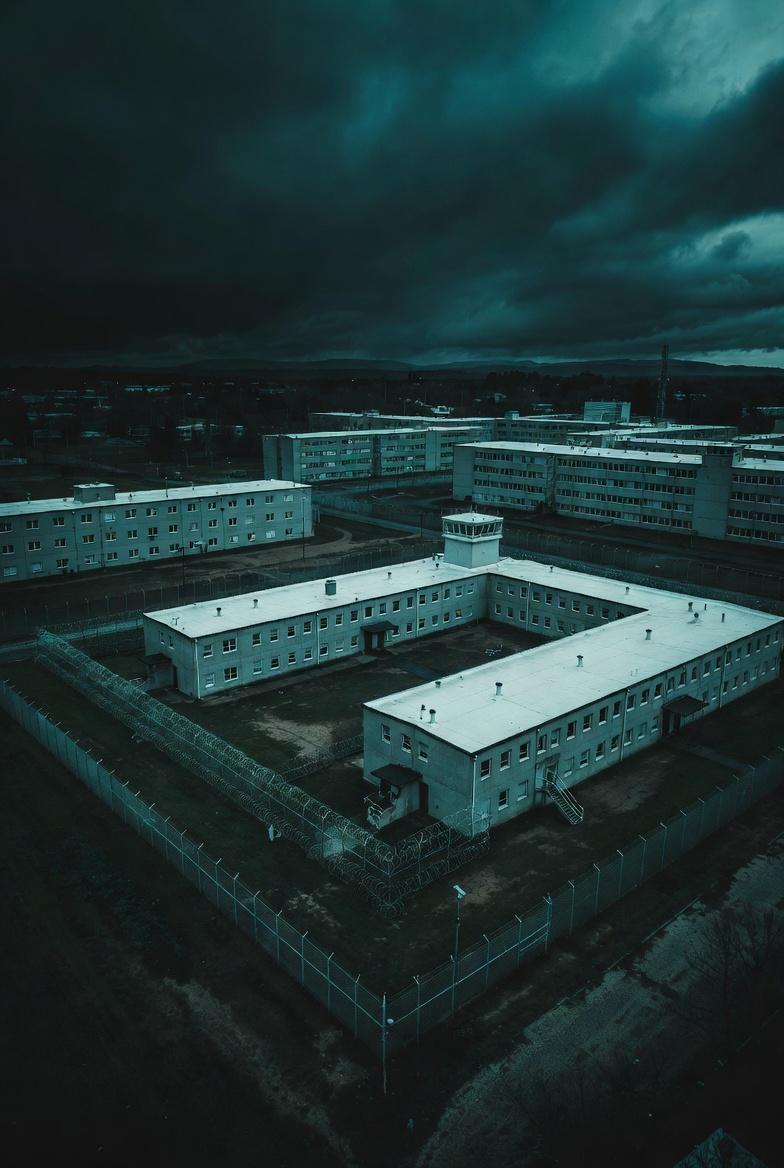
The Diagnostic & Rehabilitation Center is a medium-security correctional facility operated by the Pennsylvania Department of Corrections, located at 3200 Henry Avenue in the North Philadelphia section of Philadelphia County, Pennsylvania. This state prison houses adult male offenders who have been sentenced to serve time under Pennsylvania's jurisdiction. As a medium-security institution, the facility maintains controlled housing environments with structured programming designed to balance security needs with rehabilitation opportunities.
Families seeking information about inmates at the Diagnostic & Rehabilitation Center can use the Pennsylvania Department of Corrections inmate locator to find current housing assignments and inmate numbers. Loved ones can send money through approved vendors, schedule visits according to facility guidelines, and access public arrest records through Philadelphia County court systems to understand case details and sentencing information.
The Diagnostic & Rehabilitation Center's name reflects its dual purpose within the Pennsylvania correctional system. Unlike institutions that serve purely custodial functions, this facility emphasizes both diagnostic assessment and rehabilitation programming for its medium-security population. The diagnostic component involves evaluating inmates' security classifications, programming needs, medical requirements, and mental health statuses to develop individualized management plans. This assessment function helps Pennsylvania DOC determine appropriate long-term placements and treatment pathways. Located in North Philadelphia's Henry Avenue corridor, the facility's urban setting provides proximity to family connections for many Philadelphia-area inmates while maintaining the security infrastructure necessary for a medium-security state prison.
The Diagnostic & Rehabilitation Center houses adult male offenders classified at medium-security levels within the Pennsylvania correctional system. The inmate population consists primarily of sentenced individuals who have been convicted in Pennsylvania courts and received state prison terms. Offenders at this facility represent a range of conviction types, including violent offenses, property crimes, drug-related charges, and other felony convictions that warranted state-level incarceration. The medium-security classification indicates inmates have demonstrated behavior requiring more supervision than minimum-security facilities but less restrictive management than close or maximum-security institutions. The population may include individuals undergoing diagnostic evaluations to determine appropriate permanent placements within the Pennsylvania DOC system, as well as those serving their complete sentences at this location based on their security classification and programming needs.
Inmates at the Diagnostic & Rehabilitation Center are housed in controlled medium-security housing units designed to balance security requirements with basic living standards. Housing typically consists of cell-based accommodations with assigned bunks and limited personal property allowances as defined by Pennsylvania DOC regulations. Inmates receive three meals daily prepared according to state nutritional standards, with accommodations made for verified medical diets and religious dietary requirements. Recreation opportunities include scheduled yard time and indoor recreation areas where security conditions permit, allowing inmates physical activity and social interaction under supervision.
Medical services are provided through the facility's healthcare unit, addressing routine medical needs, chronic conditions, and emergency situations according to Pennsylvania DOC healthcare protocols. Mental health services are available for inmates requiring psychological evaluation, counseling, or psychiatric treatment. The facility operates under Pennsylvania DOC grievance procedures, which allow inmates to formally address concerns about conditions, staff conduct, or policy applications through a documented complaint process with multiple review levels to ensure accountability and procedural fairness within the institutional environment.
The Diagnostic & Rehabilitation Center offers programming designed to address educational deficiencies, vocational skill development, and behavioral issues that contributed to criminal behavior. Educational programs typically include literacy classes and GED preparation for inmates lacking high school credentials, providing foundational academic skills necessary for post-release employment. Vocational training opportunities may be available depending on facility resources and security considerations, teaching marketable trades that can support successful reintegration. Substance abuse treatment programs address addiction issues through counseling, education, and behavioral modification approaches, recognizing that chemical dependency contributes to recidivism. Religious services and faith-based programming are accessible to inmates of various denominations, providing spiritual support and moral development opportunities. Re-entry planning services help inmates prepare for release by addressing housing concerns, employment strategies, identification documents, and community resource connections to reduce barriers upon returning to society.
Work assignments at the Diagnostic & Rehabilitation Center provide inmates with structured activity while supporting facility operations. Inside work assignments typically include kitchen duties assisting with meal preparation and service, maintenance positions helping preserve facility infrastructure, laundry operations managing institutional clothing and linens, and janitorial responsibilities maintaining cleanliness in housing units and common areas. These institutional jobs develop work habits, time management skills, and responsibility while keeping inmates productively occupied. Depending on security classifications and behavior records, some inmates may qualify for specialized work assignments requiring additional training or trustworthiness. Work assignments often factor into institutional behavior assessments and may influence program placement decisions within the Pennsylvania correctional system.
While specific founding dates for the Diagnostic & Rehabilitation Center are not publicly documented in available historical records, the facility has functioned as part of Pennsylvania's state correctional system serving Philadelphia and surrounding counties. Pennsylvania's Department of Corrections has operated various facilities throughout the Commonwealth for decades, adapting to changing correctional philosophies and population demands. The facility's location on Henry Avenue in North Philadelphia places it within an urban corridor that has seen significant development and demographic changes over the years. The dual emphasis on diagnostic assessment and rehabilitation programming reflects evolving correctional approaches that moved beyond purely punitive models toward evaluation-based classification and treatment-oriented programming. Today, the Diagnostic & Rehabilitation Center continues serving as a medium-security institution within Pennsylvania's multi-tiered correctional system, housing male offenders from Philadelphia County and potentially other jurisdictions based on bed availability and classification needs throughout the state prison network.
Visitation at the Diagnostic & Rehabilitation Center is governed by Pennsylvania Department of Corrections policies and facility-specific procedures. Visitors must typically be approved in advance through an application process that includes background checks to ensure institutional security. Valid government-issued photo identification is required for all adult visitors at check-in. Dress codes prohibit clothing that resembles inmate uniforms, reveals excessive skin, contains offensive graphics, or could pose security concerns. Visitors should expect security screening procedures including metal detectors and possible search protocols. Visitation schedules vary based on housing unit assignments and inmate status, with specific days and times allocated to different populations. Families should contact the facility directly before traveling to confirm current visitation hours, COVID-related restrictions, and any temporary policy changes that might affect their visit.
Mail sent to inmates at the Diagnostic & Rehabilitation Center should be addressed with the inmate's full legal name, inmate identification number, facility name, and complete mailing address at 3200 Henry Avenue Philadelphia, PA 19129-1137. All incoming mail is subject to inspection according to Pennsylvania DOC security protocols. Books, magazines, and publications typically must be sent directly from approved vendors or publishers rather than personal sources to prevent contraband introduction. Inmates can usually make outgoing phone calls through facility telephone systems using prepaid accounts established by family members through approved vendors. Families should verify current communication policies including any email or electronic messaging systems that Pennsylvania DOC may have implemented, as these technologies continue expanding in correctional settings to maintain family connections.
Sponsored and Powered by our Partner TruthFinder
Quick Facts
Should I Be Concerned? — Family Guide
Diagnostic & Rehabilitation Center operates at medium security with zero reported staff assaults, indicating a stable operational environment. While current occupancy levels are unknown, the facility's rehabilitative focus and assault-free record suggest a relatively controlled setting. Visitors should expect standard security procedures including ID verification and possible searches; arrive early for visits and follow all facility rules to ensure a smooth experience.
Neighborhood & Getting There
Located in North Philadelphia on Henry Avenue, Diagnostic & Rehabilitation Center sits in an urban area approximately 10-15 minutes north of downtown Philadelphia. The facility is accessible via I-95 and major local roads. Philadelphia International Airport is roughly 20 miles south, with multiple hotel options available throughout the city. Public transportation via SEPTA serves the area, making visits accessible for families without personal vehicles.