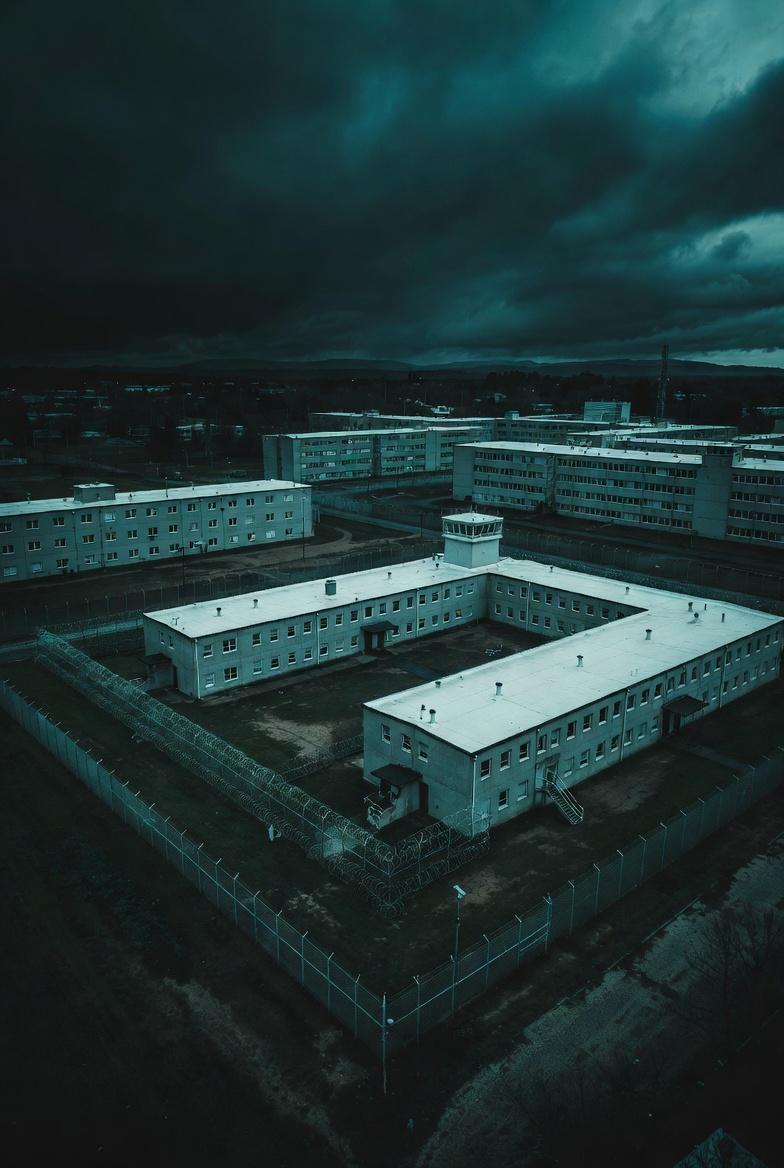
Davidson County (Nashville) Juvenile Detention Center
County Jail | Davidson County — Tennessee
The Davidson County (Nashville) Juvenile Detention Center is located at 100 Woodland Street in East Nashville, Tennessee. This medium-security facility operates under the Tennessee Department of Corrections and houses male juvenile offenders. The center serves Davidson County and the greater Nashville metropolitan area, providing secure detention for youth awaiting court proceedings or serving court-ordered commitments. The facility sits in East Nashville, positioned to serve the urban community's juvenile justice needs.
Families seeking information about juveniles detained at this facility can conduct inmate searches through Davidson County juvenile court records. Visitation policies are specifically designed for juvenile facilities with additional restrictions. Money can be deposited into juvenile accounts for commissary purchases, and families should verify current mailing address procedures before sending correspondence or packages to youth at 100 Woodland Street.
The Davidson County Juvenile Detention Center serves Tennessee's second-largest metropolitan area, handling juvenile cases from Nashville's diverse urban population. As Davidson County's primary juvenile detention facility, it processes youth from a major city with significant population density and corresponding juvenile justice needs. The facility's location on Woodland Street places it within East Nashville, an area that has undergone substantial demographic and economic changes over recent decades. This positioning allows the center to serve as a centralized intake and detention point for juvenile offenders throughout Davidson County while maintaining connections to Nashville's extensive court system and social service networks that support youth rehabilitation.
The facility houses male juvenile offenders classified as requiring medium-security detention. The population includes both pre-adjudicated youth awaiting court hearings and adjudicated juveniles serving court-ordered commitments. Offense classifications range from status offenses and misdemeanors to serious felony charges including property crimes, assault, drug-related offenses, and weapons violations. As Nashville's primary juvenile detention center, the population reflects urban juvenile crime patterns with cases involving theft, gang-related activities, and substance abuse issues. The center houses juveniles who cannot be released to parental custody pending court proceedings, those who violate probation conditions, and youth serving short-term detention sentences. Special attention is given to classification based on age, offense severity, and behavioral history to maintain facility safety.
Juvenile detainees are housed in secure units designed specifically for youth populations, with housing assignments based on age, offense classification, and behavioral considerations. The facility provides three meals daily prepared according to nutritional standards for developing adolescents. Recreation opportunities include both indoor and outdoor activities scheduled throughout the week, essential for youth physical and mental health. Medical services are available on-site with provisions for emergency care and routine health screenings required for juvenile populations. Mental health services address trauma, behavioral disorders, and adjustment challenges common among detained youth.
The facility maintains a grievance process allowing juveniles to formally address concerns about conditions, treatment, or services. Educational services continue during detention to comply with Tennessee laws requiring education for school-age youth. Daily schedules include structured activities, meals, recreation time, and programming designed to maintain routine and behavioral expectations. Juvenile facilities emphasize supervision ratios appropriate for youth populations and maintain protocols different from adult facilities, including enhanced monitoring and age-appropriate interventions for behavioral management.
Educational programming is mandatory for school-age detainees, with classroom instruction provided on-site to ensure continuity of education during detention. Youth can work toward completing grade-level requirements or pursue GED preparation depending on their educational status and length of stay. Counseling services address substance abuse issues common among juvenile offenders, providing assessment and intervention appropriate for adolescent development. Religious services and spiritual counseling are available to youth who wish to participate. Life skills programming teaches conflict resolution, anger management, and decision-making skills.
Re-entry planning begins upon admission for adjudicated youth, connecting them with community resources and support systems to reduce recidivism upon release. Programs emphasize accountability, victim awareness, and behavioral change. The facility coordinates with Davidson County juvenile court services, probation officers, and family members to develop individualized treatment plans addressing each youth's specific needs and circumstances.
Work assignments within the juvenile facility differ significantly from adult correctional work programs, focusing instead on responsibility training and facility maintenance appropriate for youth. Detained juveniles may be assigned tasks such as cleaning common areas, assisting with meal service, or maintaining recreation spaces under direct supervision. These assignments teach work habits, accountability, and cooperation while contributing to facility operations. Tennessee juvenile facilities do not operate traditional prison industries or outside work crews involving juveniles. Instead, work opportunities emphasize skill-building and character development appropriate to adolescent capabilities and legal restrictions on juvenile labor during detention.
The Davidson County Juvenile Detention Center has served Nashville and Davidson County's juvenile justice system for decades, though specific founding dates and construction details are not publicly documented in available records. The facility developed alongside Nashville's growth as a major Tennessee metropolitan center, with juvenile justice needs expanding as the city's population increased throughout the late twentieth century. The center has adapted to changing juvenile justice philosophies, moving from purely punitive approaches toward rehabilitation and treatment models emphasizing youth development.
Tennessee's juvenile justice system has undergone significant reforms in recent decades, affecting operations at facilities like Davidson County's detention center. These changes have emphasized evidence-based practices, reduced reliance on long-term detention for non-violent offenders, and increased community-based alternatives. The facility currently functions as a secure detention point within Davidson County's broader juvenile justice continuum, working alongside courts, probation services, and community programs to address youth offending while recognizing developmental differences between juveniles and adults.
Visitation at the Davidson County Juvenile Detention Center follows strict protocols designed for juvenile facilities. Visitors must typically be immediate family members or court-approved guardians and must provide valid government-issued photo identification. Visitor approval processes are more restrictive for juvenile facilities, often requiring background checks and pre-registration. Dress codes prohibit revealing clothing, gang-related attire, and items that could compromise facility security. Scheduling procedures vary, and families should contact the facility directly before planning visits to confirm current visiting hours, days, and any restrictions.
Contact visits may be limited or conducted through barriers depending on the youth's classification and behavioral status. Visitors should expect security screening including metal detectors and possible searches. The facility maintains the right to deny visitation based on visitor conduct, dress code violations, or security concerns. Families are strongly encouraged to call ahead to verify visitation schedules and requirements, as juvenile facility policies can change.
Mail sent to juveniles detained at the facility should be addressed with the youth's full legal name, any assigned identification number, and the facility address at 100 Woodland Street, Nashville, TN 37213. All incoming mail undergoes inspection for contraband and prohibited items. Books and educational materials may need to come directly from approved vendors or publishers rather than personal sources. Phone access is typically provided through collect calls or prepaid phone accounts established by families, with calls subject to monitoring and recording.
Restrictions on communication are generally more stringent in juvenile facilities compared to adult facilities. Families should verify current policies regarding approved correspondence, package restrictions, and phone account procedures by contacting the facility directly. Electronic messaging systems availability varies by facility and may not be offered at all juvenile detention centers.
Sponsored and Powered by our Partner TruthFinder
Quick Facts
Should I Be Concerned? — Family Guide
Davidson County Juvenile Detention Center maintains a medium security classification with zero reported staff assaults, indicating a relatively stable operational environment. The facility focuses on youth rehabilitation with structured programming and supervision. Families visiting should expect standard security procedures including identification requirements, bag checks, and visiting hour restrictions typical of juvenile detention settings. Call ahead to confirm current visitation policies and any facility-specific guidelines before traveling.
Neighborhood & Getting There
Located on Woodland Street in East Nashville, the facility sits in Davidson County's urban area near downtown Nashville, approximately 5 miles from the city center. The East Nashville neighborhood offers highway access via I-24 and I-40 for visitors traveling from across Tennessee and the southeastern United States. Hotels and services are readily available throughout Nashville, with most accommodations within 10-15 minutes drive. The area provides typical metropolitan amenities and dining options for families visiting detained youth.