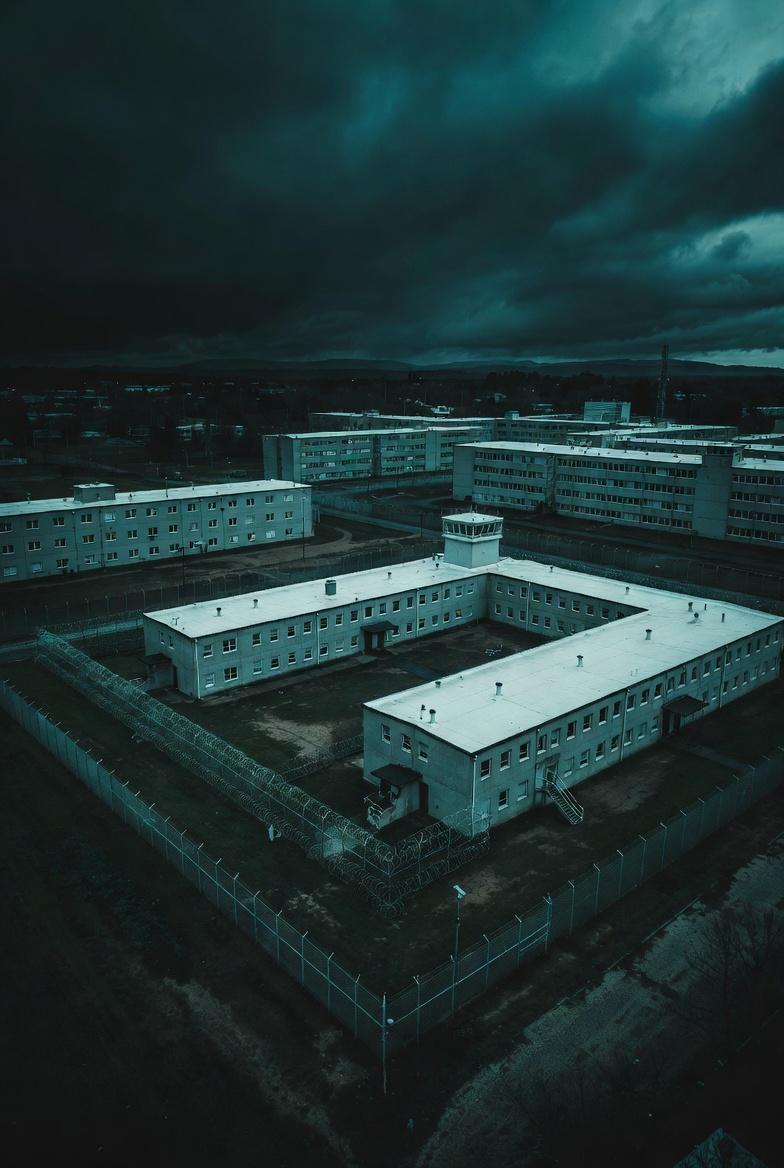
The Darrell B. Hester Juvenile Justice Center is a medium-security facility located in San Benito, Cameron County, Texas, operating under the Texas Department of Corrections system. Situated at 2310 West Highway 77, this facility exclusively houses male juvenile offenders. The center serves the Rio Grande Valley region, providing secure detention and rehabilitation services for youth who have been adjudicated through the Texas juvenile justice system. The facility's location near the Texas-Mexico border makes it a critical component of Cameron County's juvenile corrections infrastructure.
Families seeking information about youth detained at Darrell B. Hester can conduct inmate searches, arrange visitation, and send funds to support their loved ones during their stay. The facility maintains policies designed to help juveniles maintain family connections while serving their time. Families can access arrest records and case information through appropriate legal channels to stay informed about their family member's status and progression through the system.
What distinguishes the Darrell B. Hester Juvenile Justice Center from other Texas juvenile facilities is its dedicated focus on male youth offenders in the Rio Grande Valley region of South Texas. Named after Darrell B. Hester, the facility serves Cameron County and surrounding border communities, addressing the unique cultural and linguistic needs of a predominantly Hispanic population. The center's location in San Benito positions it to serve families throughout the Rio Grande Valley, providing a local option that allows for more frequent family contact than facilities located in more distant parts of Texas. This geographic accessibility is particularly important for maintaining family bonds during the critical juvenile rehabilitation period.
The Darrell B. Hester Juvenile Justice Center houses male juveniles who have been adjudicated in the Texas juvenile justice system. The population includes youth charged with various offenses ranging from property crimes and drug-related violations to more serious felony offenses. The facility serves both pre-adjudication youth awaiting court proceedings and post-adjudication juveniles serving determinate or indeterminate sentences. Given the border region location, the population reflects the cultural diversity of Cameron County and the Rio Grande Valley. Classification decisions consider factors including age, offense severity, behavioral history, and individual treatment needs. Special attention is given to educational needs, as Texas law requires continued schooling for all juveniles in state custody, regardless of their legal status or sentence length.
Youth at the Darrell B. Hester Juvenile Justice Center are housed in secure dormitory-style or cell-based units designed specifically for juvenile populations. Living arrangements are age-appropriate and reflect the facility's medium-security classification, balancing security requirements with developmental needs of adolescents. Residents receive three nutritionally balanced meals daily, prepared according to Texas juvenile detention standards. Recreation opportunities include outdoor physical activities and structured programs designed to promote healthy development and social skills. Medical services address both routine healthcare needs and emergency situations, with access to physicians, nurses, and mental health professionals. Given the adolescent population, mental health services play a particularly important role, providing counseling, crisis intervention, and treatment for youth with behavioral health needs. The facility maintains a formal grievance process allowing residents to report concerns about their treatment, living conditions, or facility operations through appropriate administrative channels.
Educational programming forms the cornerstone of services at Darrell B. Hester Juvenile Justice Center, as Texas law mandates educational services for all juveniles in custody. Academic instruction includes general education and preparation for the General Educational Development credential for eligible youth. Vocational training opportunities help residents develop marketable skills for future employment. Substance abuse programming addresses addiction issues common among juvenile offenders, providing age-appropriate counseling and education. Religious services accommodate various faith traditions, offering spiritual support and character development opportunities. Re-entry preparation helps youth transition back to their communities by addressing life skills, family reunification, and community supervision requirements. These programs recognize that successful rehabilitation during adolescence can redirect life trajectories and prevent adult criminal behavior.
Work assignments at the Darrell B. Hester Juvenile Justice Center focus on facility maintenance and operations while providing youth with job skills and work experience. Inside jobs typically include food service assistance, janitorial duties, laundry operations, and general facility upkeep. These assignments teach responsibility, time management, and workplace expectations in a supervised environment. Unlike adult facilities, juvenile centers emphasize the educational and rehabilitative aspects of work assignments rather than production quotas. Work programs are designed to build constructive habits and prepare youth for employment after release while contributing to the orderly operation of the facility.
The Darrell B. Hester Juvenile Justice Center was established to serve the juvenile justice needs of Cameron County and the broader Rio Grande Valley region of South Texas. The facility was named in honor of Darrell B. Hester, though specific founding dates and construction details are not publicly documented in available records. The center developed as part of Texas's juvenile corrections infrastructure, which evolved significantly following reforms in juvenile justice policy emphasizing rehabilitation over punishment for young offenders. Over the years, the facility has adapted to changing legal standards for juvenile detention, including requirements for education, mental health services, and family engagement. Today, the center continues its role as a medium-security facility dedicated to housing and rehabilitating male youth offenders while maintaining the security necessary to protect both residents and the community.
Visitation at the Darrell B. Hester Juvenile Justice Center provides crucial opportunities for youth to maintain family connections during their detention. All visitors must present valid government-issued photo identification and typically must be approved through a background screening process before their first visit. Dress codes prohibit revealing or provocative clothing, gang-related apparel, and items that could pose security concerns. Visitors should expect to pass through security screening, which may include metal detectors and visual inspections of permitted items. Visitation schedules and procedures may vary, and families are strongly encouraged to call the facility ahead of their visit to confirm current policies, visiting hours, and any restrictions that may apply to their specific situation.
To send mail to a youth at the Darrell B. Hester Juvenile Justice Center, address correspondence with the resident's full legal name, identification number if known, facility name, and complete mailing address: 2310 West Highway 77 PO Box 1690 San Benito, TX 78586. All incoming mail is subject to inspection for contraband and prohibited materials. Books and publications typically must be sent directly from approved vendors or publishers rather than from personal sources. The facility may offer telephone privileges allowing residents to maintain contact with approved family members through prepaid phone accounts. Families should contact the facility directly to establish phone accounts and learn about any electronic communication options that may be available for staying connected with their loved one.
Sponsored and Powered by our Partner TruthFinder
Quick Facts
Should I Be Concerned? — Family Guide
Darrell B. Hester Juvenile Justice Center maintains a medium security classification with zero staff assaults on record, indicating a relatively stable facility environment. As a juvenile detention center, security protocols prioritize rehabilitation and youth safety. Families should expect standard visitation procedures with security screening; contact the facility in advance to confirm current visiting policies and any restrictions related to the juvenile population housed here.
Neighborhood & Getting There
Darrell B. Hester Juvenile Justice Center is located in San Benito, Texas, in Cameron County in the Rio Grande Valley region of South Texas. San Benito is approximately 20 miles north of Brownsville and about 250 miles south of Corpus Christi. The facility sits on Highway 77, providing highway access. The area offers basic lodging options along major routes; Brownsville offers more extensive hotel and service amenities. The Rio Grande Valley has flat terrain with subtropical climate and agricultural surroundings.