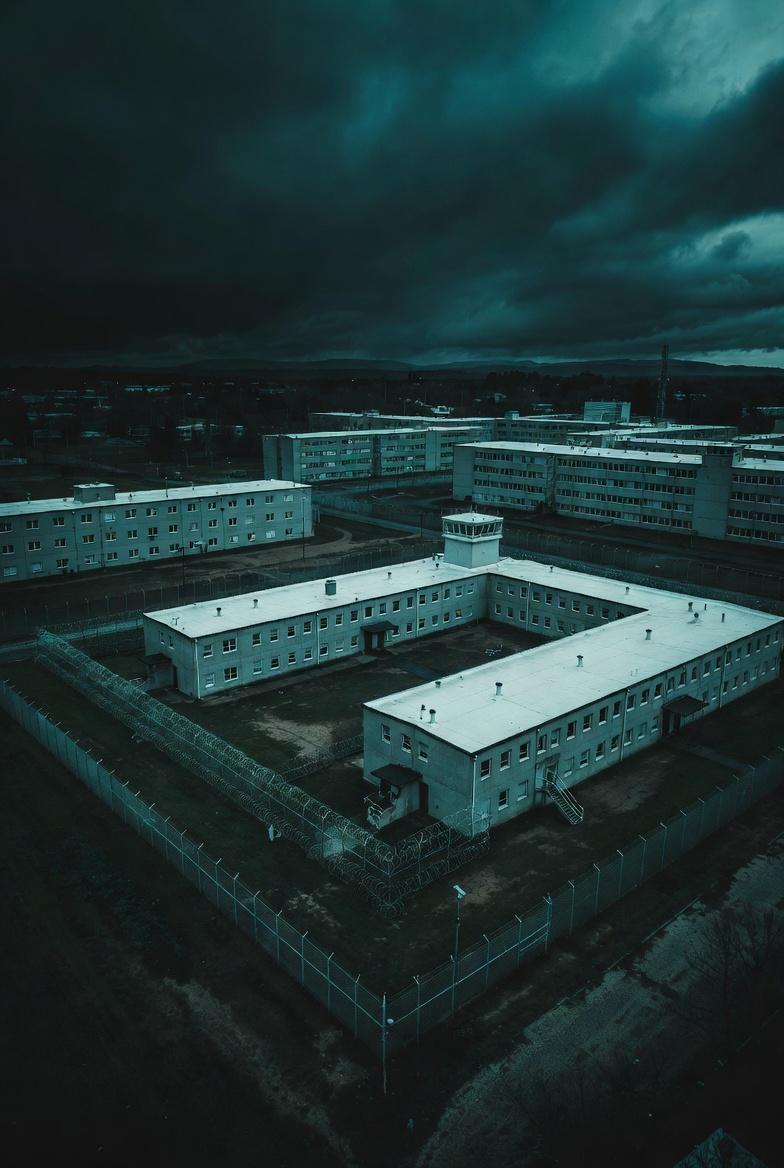
Corson County Jail is located at 111 2nd Street & 2nd Avenue East in McIntosh, South Dakota, serving Corson County in the northern part of the state. This medium-security facility operates under the South Dakota Department of Corrections system and houses male inmates. The jail serves one of South Dakota's most geographically expansive counties, situated along the North Dakota border in a predominantly rural area.
Families seeking information about incarcerated individuals can search for inmate records, access arrest information, and learn about visitation procedures specific to this facility. Understanding how to send money to inmates, schedule visits, and maintain contact is essential for supporting loved ones during their time at Corson County Jail.
Corson County Jail serves one of South Dakota's largest counties by land area yet smallest by population, located in the Standing Rock Indian Reservation region. The facility operates in McIntosh, a small community of fewer than 200 residents, making it one of the most remote jail facilities in the state. This geographic isolation presents unique challenges for both operations and family visitation, as many relatives must travel significant distances across rural northern South Dakota to maintain contact with incarcerated individuals. The jail's location within a predominantly Native American community means staff often work with populations requiring culturally sensitive approaches to custody and rehabilitation.
Corson County Jail Data & Statistics:
| Avg. Daily Population | 1 |
| Total Confined | 2 |
| Confined Males (18+) | 2 |
| Full-Time Employees | 1 |
| Part-Time Employees | 2 |
*Statistical data from census.gov
Corson County Jail houses male inmates classified at medium-security levels, serving both pre-trial detainees awaiting court proceedings and sentenced individuals serving shorter-term commitments. The facility handles a variety of offense types common to rural counties, including driving violations, domestic incidents, substance-related offenses, and property crimes. Given Corson County's location within tribal lands, jurisdictional complexities sometimes affect inmate classification, with the facility coordinating with both state and federal authorities. The population typically includes individuals from the surrounding communities who require secure custody close to local courts. The jail also manages special populations requiring medical monitoring or protective custody arrangements based on individual circumstances and classification needs.
Corson County Jail provides secure housing in a facility designed to accommodate the county's correctional needs with dormitory-style and cell-based housing arrangements depending on classification levels. Inmates receive three daily meals prepared according to nutritional standards and dietary requirement accommodations. Recreation opportunities are provided within the constraints of the facility's size and staffing, allowing inmates time outside their housing units when security permits. Medical services address basic healthcare needs, with arrangements for outside medical care when specialized treatment is necessary. Mental health services provide assessment and crisis intervention, recognizing the importance of addressing psychological needs during incarceration. The facility maintains a grievance process allowing inmates to formally address concerns about conditions, treatment, or facility operations through established administrative channels, ensuring accountability and communication between staff and incarcerated individuals.
Programming at Corson County Jail focuses on addressing immediate needs during typically shorter custody periods while preparing inmates for successful community reintegration. Educational opportunities may include basic literacy instruction and GED preparation for those seeking to complete their high school equivalency. Substance abuse programming addresses addiction issues prevalent in many rural communities, offering education and counseling resources. Religious services and spiritual support are available to inmates seeking faith-based guidance during incarceration. Re-entry planning helps prepare individuals for release, connecting them with community resources, employment assistance, and support services. The scope of programming depends on facility resources, staffing availability, and inmate length of stay, with priority given to interventions most likely to reduce recidivism and support successful community reintegration.
Work assignments at Corson County Jail include essential facility maintenance tasks that keep the jail operational while providing inmates with structured activity and responsibility. Inside job assignments typically involve kitchen duties, cleaning and sanitation work, laundry services, and general facility maintenance tasks. These work opportunities help inmates develop positive work habits, occupy time constructively, and contribute to facility operations. Given the jail's small-scale operations in a rural setting, work assignments are limited compared to larger correctional facilities but remain an important component of inmate management and daily routine structure.
Corson County Jail has served the county's law enforcement and judicial needs for decades, though specific founding dates are not extensively documented. The facility in McIntosh evolved to meet the unique challenges of providing secure custody in one of South Dakota's most remote and sparsely populated counties. Over the years, the jail has adapted to changing correctional standards and population needs while maintaining its essential role in the local criminal justice system. The facility's location reflects historical patterns of county seat placement in rural South Dakota, where geographic centrality often determined administrative locations. Today, Corson County Jail continues its mission of providing secure, humane custody for male inmates while supporting the county's courts and law enforcement agencies in this isolated corner of northern South Dakota.
Visitation at Corson County Jail requires visitors to present valid government-issued photo identification upon arrival at the facility in McIntosh. Dress code requirements prohibit clothing that resembles inmate attire, revealing garments, or items that could present security concerns. Potential visitors should understand that approval may be required before scheduling visits, with the facility maintaining authority to deny visitation based on security considerations or facility rules. Due to the jail's small size and limited staffing, visitation schedules may be restricted to specific days and times. Families planning to visit should call ahead to confirm current visitation policies, scheduling procedures, and any special requirements to ensure a successful visit and avoid unnecessary travel to this remote location.
Mail sent to inmates at Corson County Jail should be addressed with the inmate's full name, followed by the facility address at 111 2nd Street & 2nd Avenue East, PO Box 136, McIntosh, SD 57640-0136. All incoming mail is subject to inspection according to facility security protocols. Books and publications typically must be sent directly from approved vendors or publishers rather than personal sources. Inmates may have access to phone services through prepaid collect calling or telephone account systems that families can fund. Families should contact the facility directly to learn about current communication policies, approved correspondence procedures, and any available electronic messaging options that may be implemented.
Sponsored and Powered by our Partner TruthFinder
Quick Facts
Should I Be Concerned? — Family Guide
Corson County Jail operates as a medium security facility with zero reported staff assaults, indicating a relatively stable environment. The facility's rural location and small-scale operations generally contribute to controlled conditions. When visiting, expect standard security procedures typical of rural county jails and plan ahead since McIntosh has limited services nearby.
Neighborhood & Getting There
McIntosh is a small rural community in northwestern South Dakota's Great Plains region, approximately 90 minutes north of Lemmon, the nearest larger town. The area is characterized by sparse population, agricultural land, and limited commercial services. Visitors should plan for extended drive times from regional hubs like Aberdeen (90+ miles southeast) or prepare for overnight stays in nearby small towns with basic motel accommodations along Highway 20.