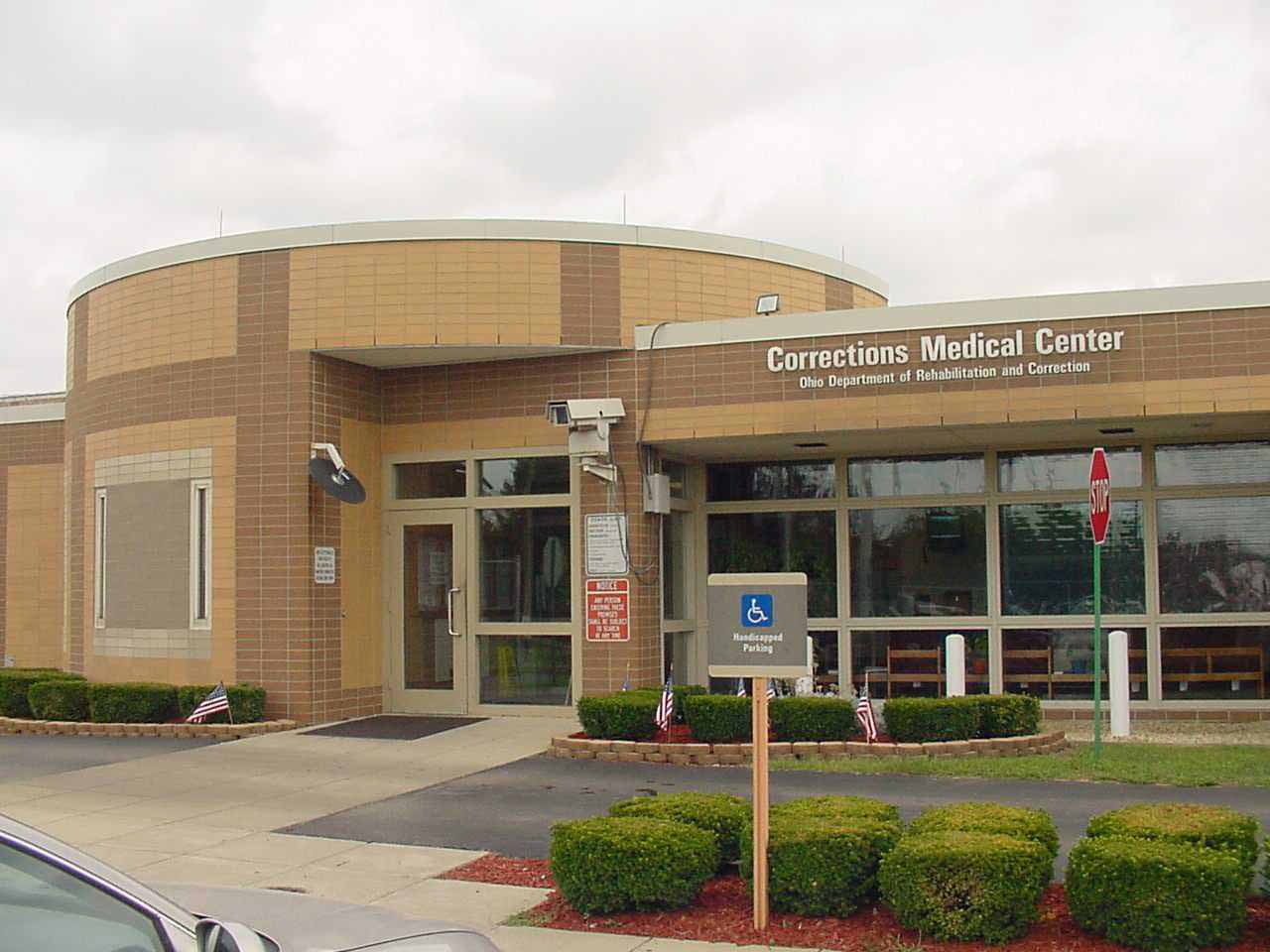
Franklin Medical Center
State Prison | Franklin County — Ohio | Formerly "Corrections Medical Center" | Ohio Department of Rehabilitation and Correctin
Franklin Medical Center is a minimum-security correctional facility located at 1990 Harmon Avenue in Columbus, Franklin County, Ohio. Operated by the Ohio Department of Corrections, this specialized institution houses both male and female inmates and currently maintains a population of approximately 648 incarcerated individuals. Under the leadership of Warden Norman Robinson, the facility has served the state's corrections system since its establishment in 1993, focusing primarily on inmates requiring medical and mental health treatment.
Families seeking to locate an inmate at Franklin Medical Center can use the Ohio Department of Corrections inmate search system. This resource provides access to arrest records, housing assignments, and release dates. Families can also find information about sending money to inmates, scheduling visits, and understanding the facility's mail policies to maintain contact with their loved ones.
Franklin Medical Center stands apart from other Ohio correctional facilities as a specialized medical institution dedicated to providing comprehensive healthcare services to inmates throughout the state corrections system. Unlike traditional prisons focused solely on custody and security, this facility functions as the primary medical hub for inmates requiring ongoing treatment, chronic disease management, psychiatric care, and specialized medical interventions. The minimum-security classification reflects the facility's medical mission rather than the offense severity of its population. Inmates are transferred here from other Ohio prisons specifically to receive healthcare services they cannot access at standard correctional institutions, making Franklin Medical Center an essential component of the state's obligation to provide constitutionally adequate medical care to incarcerated individuals.
Franklin Medical Center houses a unique inmate population classified primarily by medical need rather than criminal offense type or sentence length. The facility accepts both male and female inmates transferred from other Ohio Department of Corrections institutions who require specialized medical treatment, mental health services, or long-term care for chronic conditions. The population includes inmates serving sentences for various offense levels, from non-violent crimes to more serious felonies, all united by their need for healthcare services beyond what standard prisons can provide. Many residents require treatment for conditions such as diabetes, heart disease, cancer, mobility limitations, and serious mental illness. Unlike typical correctional facilities, the classification system here prioritizes medical acuity and treatment requirements over traditional security classifications, though all inmates maintain their minimum-security status during their stay at Franklin Medical Center.
Living conditions at Franklin Medical Center are designed to accommodate the medical needs of its resident population. Housing units are configured to provide accessibility for inmates with physical disabilities and mobility limitations, with accommodations including wheelchair accessibility and specialized medical equipment. Inmates reside in dormitory-style housing or individual cells depending on their medical conditions and care requirements. Meals are prepared with consideration for special dietary needs, including diabetic diets, cardiac-healthy options, and other medically necessary meal plans. Daily recreation is adapted to accommodate various physical limitations, with both indoor and outdoor activities available when medically appropriate.
Medical staff maintain a constant presence at the facility, providing 24-hour nursing care and regular physician visits. Mental health professionals deliver psychiatric services, counseling, and medication management for inmates with psychological disorders. The facility operates a comprehensive grievance process allowing inmates to formally address concerns about their medical treatment, living conditions, or other institutional issues. This process ensures accountability and provides inmates with a structured method to seek resolution when problems arise during their incarceration at Franklin Medical Center.
Franklin Medical Center offers educational and rehabilitative programming tailored to accommodate the medical limitations of its population. GED preparation classes and adult basic education remain available for inmates capable of participating, with instructional methods adapted for those with cognitive or physical challenges. Substance abuse treatment programs address addiction issues, recognizing that many inmates arrive with histories of drug or alcohol dependency that may have contributed to their health conditions. Religious services and spiritual counseling are provided for various faith traditions, offering inmates emotional support during their medical treatment.
Re-entry programming helps prepare inmates for release, focusing on managing chronic health conditions in the community, connecting with public health resources, and securing necessary medications upon discharge. Vocational opportunities are limited compared to general population prisons due to the medical focus of the institution, though some light work assignments may be available for medically cleared inmates seeking productive activity during their stay.
Work assignments at Franklin Medical Center differ significantly from traditional prison labor programs due to the facility's medical focus and the physical limitations of many inmates. Inside job opportunities include light housekeeping duties, laundry operations, food service assistance, and clerical work for those medically cleared to participate. These assignments are carefully matched to individual health capabilities and often serve therapeutic purposes by providing structure and purpose during incarceration. Outside work details and prison industry programs are extremely limited or non-existent given the minimum-security medical mission of the institution. Work assignments serve primarily to maintain facility operations rather than generate revenue or provide extensive vocational training, with inmate health and recovery taking precedence over productivity goals.
Franklin Medical Center was established in 1993 to address the Ohio Department of Corrections' growing need for a dedicated medical facility capable of treating inmates with serious health conditions. Prior to its opening, inmates requiring extensive medical care were often housed in inadequate conditions at general population prisons or transferred to outside hospitals at significant expense and security risk. The facility was purpose-built at 1990 Harmon Avenue in Columbus to serve as a centralized medical hub for the entire state corrections system.
Since its founding, Franklin Medical Center has evolved to meet changing healthcare demands within Ohio's prison population, including the challenges of treating aging inmates, managing infectious diseases, and providing psychiatric care. The facility has remained under the leadership of various wardens, with Norman Robinson currently serving in that role. Throughout its three decades of operation, Franklin Medical Center has maintained its essential function as the primary medical institution within Ohio's corrections system, adapting to medical advances and changing healthcare standards while continuing to serve hundreds of inmates annually.
Visitation at Franklin Medical Center allows families to maintain contact with incarcerated loved ones while accommodating the facility's medical mission. All visitors must be approved in advance through the Ohio Department of Corrections visitor application process and present valid government-issued photo identification upon arrival. Dress code requirements prohibit clothing that resembles institutional attire, overly revealing garments, or items that could pose security concerns. Visitors should expect screening procedures including metal detectors and possible searches before entering the facility.
Visitation schedules may be affected by inmates' medical conditions, treatments, or hospital stays, so families are strongly encouraged to call ahead to confirm visiting hours and verify their loved one's availability for visits. The facility may impose additional restrictions based on medical quarantines or individual health situations. Understanding these unique circumstances helps families plan successful visits to Franklin Medical Center.
Families can contact inmates at Franklin Medical Center through the U.S. Postal Service using the proper mailing format. All correspondence should be addressed with the inmate's full legal name, inmate identification number, followed by Franklin Medical Center, 1990 Harmon Avenue, PO Box 23658, Columbus, OH 43223. Incoming mail is subject to inspection for contraband and prohibited items. Books, magazines, and educational materials must typically be sent directly from approved vendors or publishers rather than from personal addresses.
Inmates have access to telephone services through approved inmate phone account systems, which require families to set up prepaid or collect call accounts. Some inmates may also have access to email communication systems depending on their medical status and facility privileges. Families should verify current communication options and restrictions directly with the facility.
Sponsored and Powered by our Partner TruthFinder
Quick Facts
Should I Be Concerned? — Family Guide
Franklin Medical Center operates as a minimum security facility with zero reported staff assaults, indicating a generally safe environment for visitors and staff. The facility focuses on healthcare services for lower-risk inmates, which typically correlates with reduced violence. When visiting, follow all facility rules, arrive early for processing, and maintain professional conduct during visits.
Neighborhood & Getting There
Franklin Medical Center is located on Harmon Avenue in Columbus, Ohio's downtown-adjacent area near the Franklin County institutional district. The facility sits approximately 3 miles north of downtown Columbus, easily accessible via I-270 and I-71. The neighborhood includes government offices, other county facilities, and is served by major hotels along the interstate corridors. Travel time from Columbus metropolitan areas ranges from 15-30 minutes depending on location.