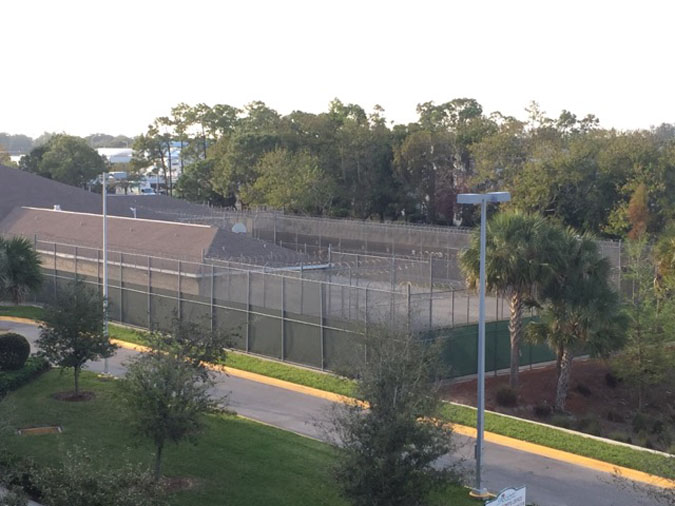
Collier Juvenile Detention Center
State Prison | Collier County — Florida | CJDC | Florida Department of Juvenile Justice
Collier Juvenile Detention Center is a medium-security juvenile detention facility located at 3351 E Tamiami Trail in Naples, Florida. Operated within the Florida Department of Corrections system, this facility exclusively houses male youth offenders with a maximum capacity of 45 beds. Under the supervision of Superintendent Quatelious Mosley, the center serves Collier County and surrounding areas by providing secure detention for juveniles awaiting court proceedings or serving short-term sentences.
Families seeking information about youth detained at Collier Juvenile Detention Center can access inmate search tools, learn about visitation procedures, and understand how to send money or mail to detainees. The facility provides resources for families navigating the juvenile justice system, including arrest record information and guidance on maintaining contact with incarcerated youth during their stay.
Collier Juvenile Detention Center serves as Collier County's primary secure detention facility for male juveniles, strategically positioned on the East Tamiami Trail corridor in Naples. Unlike adult correctional facilities, this center focuses exclusively on youth offenders, providing age-appropriate programming and supervision tailored to adolescent development. The facility's location in Southwest Florida's affluent Collier County creates unique challenges and opportunities, serving a diverse population that ranges from local residents to juveniles from surrounding rural areas. The center operates under the philosophy that juvenile detention should emphasize rehabilitation and education rather than purely punitive measures, reflecting Florida's commitment to treating youth offenders differently than adult criminals.
The Collier Juvenile Detention Center houses male juveniles typically ranging from ages 10 to 18 who have been charged with delinquent acts or violations of probation. The population includes both pre-adjudication youth awaiting court hearings and post-adjudication juveniles serving short-term detention sentences. Offense types vary widely, from status offenses and misdemeanors to serious felonies including violent crimes and property offenses. Many detainees come from Collier County, though the facility may also house youth from neighboring jurisdictions when needed. The population fluctuates based on arrests, court schedules, and transfer patterns to other juvenile programs. Special attention is given to juveniles with mental health needs, substance abuse issues, or educational deficits, with classification processes determining appropriate housing and programming assignments.
Youth at Collier Juvenile Detention Center are housed in secure dormitory-style units designed specifically for juvenile populations, with supervision levels appropriate to their classification status and behavior. Daily schedules include structured meal times with age-appropriate nutrition to support adolescent growth and development. Detainees receive access to indoor and outdoor recreation opportunities, allowing physical activity essential for young people. Medical services address routine healthcare needs, injuries, and chronic conditions, while mental health professionals provide counseling and crisis intervention for youth experiencing emotional difficulties or trauma. The facility maintains educational programming to ensure juveniles continue their schooling during detention. A formal grievance process allows youth to report concerns about their treatment, conditions, or safety. Staff members receive specialized training in adolescent development and de-escalation techniques appropriate for working with young offenders. Living units emphasize safety and security while attempting to maintain a more therapeutic environment than adult facilities, recognizing the developmental differences between juveniles and adults.
Educational programming forms the cornerstone of services at Collier Juvenile Detention Center, with state-mandated schooling provided during the regular academic year to ensure youth do not fall behind academically. Teachers deliver instruction across core subjects, with individualized education plans implemented for youth with special needs. Life skills classes teach essential competencies like conflict resolution, decision-making, and anger management. Substance abuse education addresses the connection between drug use and delinquent behavior, particularly important given the prevalence of substance-related offenses among juvenile populations. Religious services and spiritual counseling are available for youth seeking faith-based support. Pre-release planning helps youth prepare for reintegration into the community, connecting them with appropriate services and support systems. The programs emphasize personal accountability, victim awareness, and positive behavior development, aiming to reduce recidivism by addressing the underlying factors that contributed to delinquent behavior.
Work assignments at Collier Juvenile Detention Center differ significantly from adult prison labor, focusing instead on building responsibility and work ethics appropriate for young people. Youth may participate in facility maintenance tasks such as cleaning common areas, assisting with meal service, or maintaining grounds under staff supervision. These assignments teach basic job skills, time management, and the importance of contributing to the community. Work opportunities are structured as learning experiences rather than industrial production, emphasizing skill development over productivity. Participation in work assignments may be tied to behavioral incentive systems that reward positive conduct. The goal is preparing juveniles for future employment by instilling good work habits during their detention.
While the exact founding date of Collier Juvenile Detention Center is not documented in available records, the facility has served Collier County's juvenile justice needs for years as part of Florida's statewide network of secure detention centers for youth offenders. The center's establishment reflected growing recognition that juveniles required separate facilities from adult offenders, with age-appropriate programming and security measures. Located on the East Tamiami Trail, the facility serves one of Florida's fastest-growing regions, with Naples and surrounding Collier County experiencing significant population increases over recent decades. Under Superintendent Quatelious Mosley's leadership, the center continues adapting to evolving juvenile justice philosophies that emphasize rehabilitation and evidence-based practices. The facility's current role focuses on secure detention while juveniles move through court proceedings, providing a structured environment that maintains community safety while offering opportunities for positive change.
Visitation at Collier Juvenile Detention Center allows families to maintain important connections with detained youth, though specific scheduling and procedures must be followed. Visitors must bring valid government-issued photo identification and should expect to be added to an approved visitor list before their first visit. Dress code requirements typically prohibit revealing clothing, gang-related attire, or items that could be confused with staff uniforms. Juveniles generally have limitations on the number and frequency of visits based on facility rules and individual behavior status. Contact visits may be restricted depending on security classification. Families should call the facility ahead of time to confirm visiting hours, schedule appointments if required, and verify current procedures, as rules and schedules can change. Understanding and following visitation guidelines ensures visits proceed smoothly and maximizes time with detained youth.
Families can send mail to juveniles at Collier Juvenile Detention Center by addressing correspondence with the youth's full name and identification number, followed by the facility address at 3351 E Tamiami Trail, Naples, FL 34112. All incoming mail undergoes inspection for contraband and prohibited items. Books and magazines typically must come directly from approved vendors or publishers rather than personal packages. Phone privileges allow detained youth to make collect calls or use prepaid phone accounts established by families, though call frequency and duration may be limited. Some juvenile facilities offer email or electronic messaging systems, though availability varies. Families should contact the facility directly to learn about specific communication options, account setup procedures, and restrictions on content or materials.
Sponsored and Powered by our Partner TruthFinder
Quick Facts
Should I Be Concerned? — Family Guide
Collier Juvenile Detention Center maintains a medium security level with zero reported staff assaults, indicating a relatively safe operational environment. As a juvenile detention facility with 45-bed capacity, the center focuses on rehabilitation and structured programming for young offenders. When visiting, expect standard security procedures including ID verification, bag checks, and dress code compliance typical of medium security youth facilities.
Neighborhood & Getting There
Collier Juvenile Detention Center is located on East Tamiami Trail in Naples, Florida, in Southwest Florida's Collier County. Naples is approximately 120 miles south of Tampa and serves as the cultural and economic hub of the Naples metropolitan area. The facility sits in an accessible location near major highways with nearby hotels, restaurants, and services. Visitors from Miami or Fort Lauderdale face approximately 2-3 hour drive times via I-75 North.