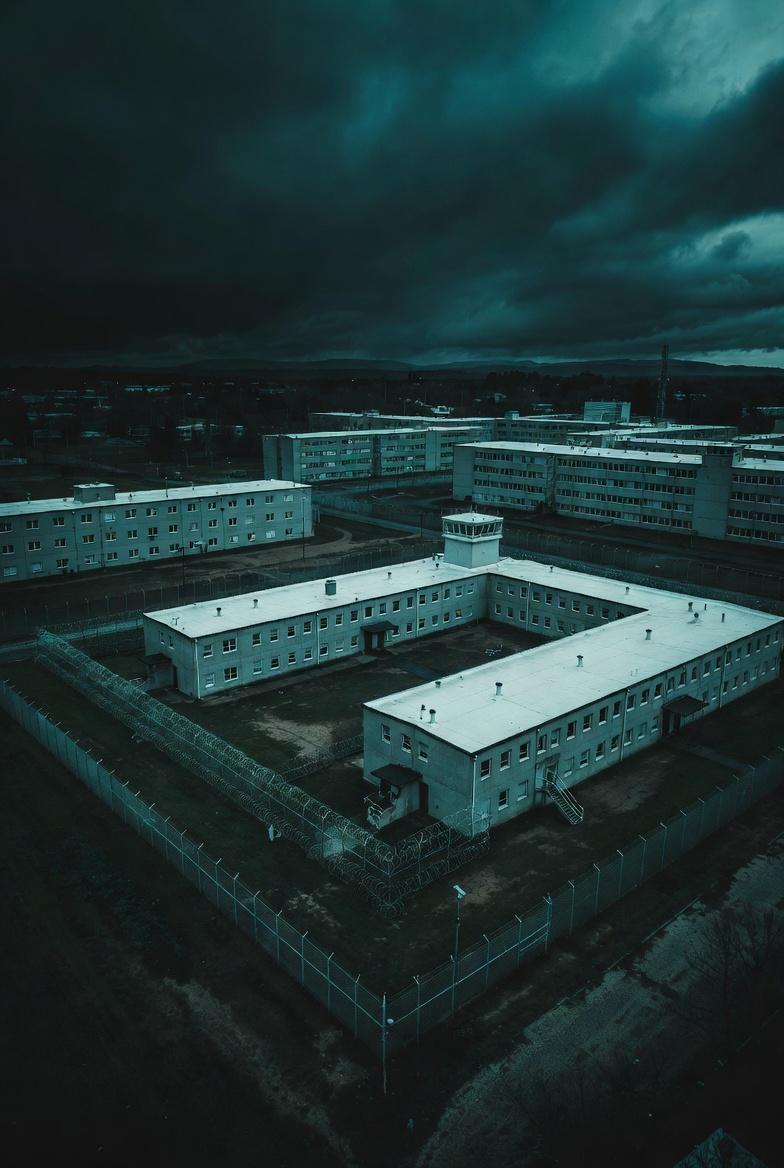
Coleman Center, designated as CCF-CPC, is a medium-security correctional facility operated by the Pennsylvania Department of Corrections in North Philadelphia, Philadelphia County. Located at 3950 D Street, this facility houses male offenders within the state prison system. As a medium-security institution, Coleman Center maintains structured custody protocols while providing programming opportunities for the incarcerated population. The facility serves as part of Pennsylvania's broader correctional infrastructure in the Philadelphia region.
Families seeking information about incarcerated individuals at Coleman Center can conduct inmate searches through the Pennsylvania Department of Corrections database. Visitors can send money to inmates, schedule approved visits, and access arrest records through official channels. Understanding the facility's specific rules and procedures helps families maintain meaningful contact with their loved ones during incarceration.
Coleman Center (CCF-CPC) occupies a distinctive position within Pennsylvania's correctional landscape as a medium-security facility situated in the urban North Philadelphia neighborhood. Unlike rural prison locations common throughout Pennsylvania, Coleman Center operates within a densely populated metropolitan area, providing relatively accessible visitation opportunities for Philadelphia-area families. The facility's designation as CCF-CPC suggests a specialized operational focus within the Department of Corrections system, potentially involving community corrections functions or specific programming initiatives. Its North Philadelphia location connects it to the surrounding community's resources while maintaining secure custody of medium-security male offenders requiring structured correctional supervision.
Coleman Center houses medium-security male inmates classified by the Pennsylvania Department of Corrections based on criminal history, institutional behavior, and security risk assessments. The population includes individuals convicted of various felony offenses requiring secure custody but not maximum-security confinement. Inmates at medium-security facilities typically have demonstrated sufficient behavioral compliance to participate in expanded programming while still requiring substantial supervision. The facility may house both sentenced offenders serving state prison terms and individuals in various stages of the correctional process. Classification decisions consider factors including sentence length, offense severity, disciplinary history, and program participation needs, with periodic reassessments determining continued placement or transfer to other facilities within the Pennsylvania system.
Coleman Center provides housing in secure cell blocks or dormitory-style units consistent with medium-security correctional standards. Inmates receive three daily meals prepared according to Pennsylvania Department of Corrections nutritional guidelines, with accommodations for medical diets and religious dietary requirements. Recreation opportunities include outdoor yard time and indoor activities, subject to security protocols and facility scheduling. Medical services address routine healthcare needs, sick call requests, and chronic condition management through qualified correctional healthcare staff. Mental health services provide assessment, counseling, and psychiatric care for inmates with psychological needs. The facility maintains a formal grievance process allowing inmates to address concerns regarding conditions, treatment, or policy implementation through established administrative channels. Daily routines balance security requirements with opportunities for exercise, programming participation, and personal time within housing units.
Coleman Center offers educational programming including GED preparation and adult basic education for inmates seeking to improve academic credentials during incarceration. Vocational training opportunities may provide skills development in trades applicable to post-release employment. Substance abuse treatment programs address addiction issues through counseling, group therapy, and evidence-based intervention models, recognizing the connection between substance dependency and criminal behavior. Religious services accommodate various faith traditions through chaplaincy programs and volunteer religious organizations. Re-entry preparation helps inmates develop release plans, connect with community resources, and transition successfully back to society. Program availability and enrollment depend on inmate classification, sentence length, behavioral compliance, and facility capacity, with participation often considered in parole decisions and institutional advancement.
Inmates at Coleman Center participate in work assignments that maintain facility operations and provide structured daily activity. Inside job assignments include kitchen duties, janitorial services, laundry operations, and maintenance tasks necessary for institutional functioning. These positions teach work habits, responsibility, and practical skills while contributing to facility management. Some medium-security facilities in Pennsylvania offer prison industry employment or outside work details, though specific opportunities at Coleman Center depend on security protocols and available programs. Work assignments provide modest compensation to inmate accounts and may be considered positively in institutional evaluations and parole considerations.
Detailed historical records regarding Coleman Center's establishment and development are limited in publicly available sources. The facility operates as part of the Pennsylvania Department of Corrections system, which has evolved significantly over recent decades to address changing correctional needs. Pennsylvania's prison system has undergone numerous expansions and modifications to accommodate population changes, implement reformed custody practices, and provide varied security levels. Coleman Center's designation as CCF-CPC indicates a specific functional role within this broader system. The facility's North Philadelphia location reflects Pennsylvania's strategy of maintaining correctional facilities in diverse geographic settings. Like many correctional institutions, Coleman Center has likely experienced operational adjustments, policy implementations, and infrastructure modifications throughout its service history as part of Pennsylvania's ongoing correctional management efforts.
Visitation at Coleman Center requires advance approval through the Pennsylvania Department of Corrections visitor application process. Prospective visitors must submit applications, undergo background checks, and receive approval before scheduling visits. All visitors must present valid government-issued photo identification upon arrival. The facility enforces specific dress code requirements prohibiting revealing clothing, certain colors, and items that could create security concerns. Visitation schedules vary based on housing unit assignments and facility operations. Families should contact Coleman Center directly before traveling to confirm current visitation hours, procedures, and any temporary restrictions. Visits provide crucial family connections, and understanding facility-specific rules helps ensure successful visitation experiences without unnecessary complications or denials at the entrance checkpoint.
Mail sent to inmates at Coleman Center must include the inmate's full name, inmate identification number, and the complete facility address: 3950 D Street Philadelphia, PA 19124-4202. All incoming mail undergoes inspection according to Department of Corrections security protocols. Books and publications must typically come directly from approved vendors or publishers rather than personal sources. Inmates can make telephone calls through the facility's contracted phone system, which requires families to establish prepaid accounts. Phone rates and procedures are set by the service provider. Families should verify current policies regarding electronic messaging or email systems, as these capabilities vary across Pennsylvania correctional facilities and may require separate account registration and fees.
Sponsored and Powered by our Partner TruthFinder
Quick Facts
Should I Be Concerned? — Family Guide
Coleman Center (CCF-CPC) maintains a medium-security classification with zero reported staff assaults, indicating a relatively stable facility environment. The North Philadelphia location is accessible but situated in an urban area requiring standard travel precautions. When visiting, plan travel during daylight hours, bring valid ID, follow all facility dress codes strictly, and contact the facility in advance to confirm inmate location and current visitation schedules.
Neighborhood & Getting There
Coleman Center is located in North Philadelphia on D Street, approximately 10 miles north of Center City Philadelphia. The facility sits in an urban industrial area with limited nearby amenities. Most visitors drive from Center City (20-25 minutes via I-95) or utilize public transit via SEPTA. Hotels and dining options are more abundant in Center City or along the I-95 corridor. The Northeast Philadelphia location requires planning for parking and facility access.