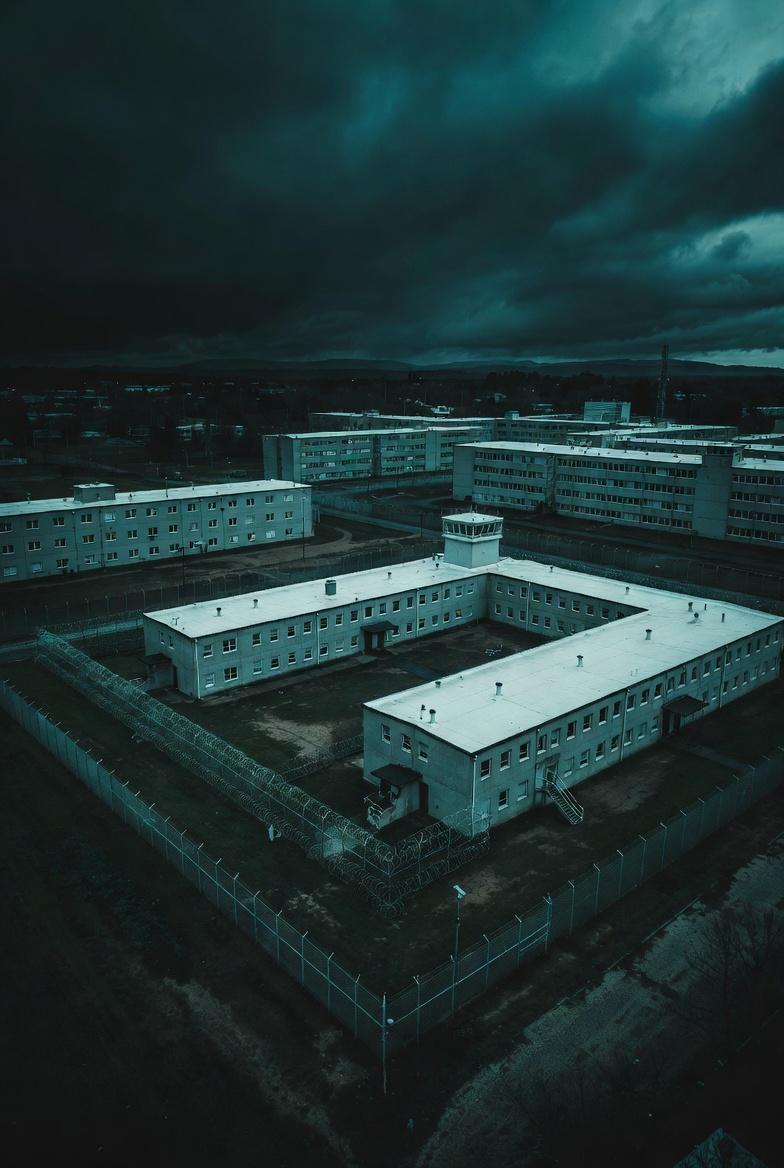
Clarence M. Kelley Juvenile Detention - West operates as a medium-security juvenile detention facility located at 2600 SE 23rd Street in Wakeeney, Trego County, Kansas. The facility is part of the Kansas Department of Corrections system and exclusively houses male juveniles. Situated in rural western Kansas, this detention center serves as a placement option for young offenders requiring secure custody within the state's juvenile justice system.
Families seeking information about juveniles detained at this facility can conduct inmate searches through the Kansas Department of Corrections database. Loved ones can also arrange visitation, deposit funds for commissary purchases, and access arrest records. Understanding the facility's specific procedures helps families maintain connections with detained juveniles during their incarceration.
Clarence M. Kelley Juvenile Detention - West holds a unique position within Kansas's juvenile corrections landscape due to its rural location in Wakeeney, situated in sparsely populated Trego County in western Kansas. This geographic placement distinguishes it from urban juvenile facilities, offering a different environment for rehabilitation. The facility is named after Clarence M. Kelley, who served as FBI Director from 1973 to 1978 and was a native Kansan, reflecting Kansas's commitment to honoring law enforcement leadership in its corrections infrastructure. The western location serves juveniles from the expansive rural regions of Kansas, addressing the need for secure detention across the state's geographically diverse areas.
The facility houses male juveniles within the Kansas juvenile justice system who require medium-security placement. The population typically consists of youth adjudicated on various offenses ranging from property crimes and drug violations to more serious felonies. Both pre-adjudication detainees awaiting court proceedings and adjudicated juveniles serving committed time may be housed at the facility. The classification system accounts for age, offense severity, behavioral history, and individual treatment needs. Special attention is given to separating younger juveniles from older residents when appropriate, and ensuring that first-time offenders are properly classified. The facility serves youth from western Kansas counties, though juveniles from across the state may be placed there based on bed availability and specific programming needs.
Juveniles at Clarence M. Kelley Juvenile Detention - West are housed in secure units designed for youth supervision and safety. Housing typically includes dormitory-style or cell-based accommodations with beds, storage for personal property, and common areas for structured activities. Residents receive three nutritionally balanced meals daily that meet dietary standards for growing adolescents, with accommodations made for medical or religious dietary restrictions. Recreation opportunities include both indoor and outdoor activities, providing physical exercise essential for youth development. Medical services address routine healthcare needs, sick call, and medication management, while mental health professionals provide counseling and crisis intervention services critical for this population. Educational services continue during detention to maintain academic progress. The facility maintains a grievance process allowing juveniles to formally address concerns about their treatment or conditions. Daily schedules are structured to include education, programming, recreation, and personal time, promoting routine and accountability.
Educational programming forms the cornerstone of juvenile services, ensuring detained youth continue their academic progress toward high school completion or GED attainment. Classroom instruction aligns with Kansas educational standards, and individualized education plans are maintained for youth with special needs. Life skills training prepares residents for successful community reintegration, covering topics like decision-making, conflict resolution, and personal responsibility. Substance abuse education and counseling address chemical dependency issues common among justice-involved youth. Religious services and faith-based programming are available for those seeking spiritual guidance. Cognitive behavioral interventions help juveniles understand the consequences of their actions and develop pro-social thinking patterns. Counseling services, both individual and group-based, address trauma, anger management, and family relationships. Reentry planning begins early in placement, coordinating with families, schools, and community providers to support successful transitions back home.
Work assignments at the juvenile facility focus on teaching responsibility and basic employment skills rather than commercial production. Juveniles may participate in facility maintenance tasks such as cleaning common areas, assisting in meal service, and maintaining grounds under staff supervision. These assignments teach punctuality, following directions, and the value of contributing to the community. Educational and treatment programming take priority over work activities given the developmental needs of the juvenile population. Any work assignments are age-appropriate and comply with regulations governing youth labor. These structured responsibilities help prepare residents for future employment while instilling accountability and work ethics essential for successful community living.
While the exact founding date of Clarence M. Kelley Juvenile Detention - West is not publicly documented, the facility represents Kansas's ongoing commitment to providing secure juvenile detention across the state's vast geography. Named after Clarence M. Kelley, the Kansas City native who led the FBI during the 1970s and previously served as Kansas City Police Chief, the facility honors a distinguished law enforcement career. The Wakeeney location in Trego County places the facility in western Kansas, addressing the need for juvenile detention services in rural areas far from urban centers like Wichita, Topeka, and Kansas City. The facility operates within the Kansas Department of Corrections framework, reflecting the state's approach to juvenile justice that balances accountability with rehabilitation. Its continued operation demonstrates Kansas's commitment to providing appropriate placement options for male juveniles requiring medium-security detention throughout the state.
Visitation at Clarence M. Kelley Juvenile Detention - West allows families to maintain crucial connections with detained juveniles. Visitors must bring valid government-issued photo identification and should expect to go through security screening upon arrival. The facility maintains specific dress code requirements prohibiting revealing clothing, gang-related attire, and items that could pose security concerns. Potential visitors typically require prior approval, which may involve background checks and completion of visitor applications. Visitation schedules vary and may be limited based on the juvenile's housing unit, behavior status, and facility operations. Families should contact the facility directly before traveling to confirm visitation hours, verify their approval status, and understand current protocols. Given the rural location in Wakeeney, planning visits in advance ensures families traveling from distant areas have accurate, current information about visitation procedures and scheduling.
Correspondence with juveniles detained at Clarence M. Kelley Juvenile Detention - West should be addressed with the juvenile's full name and identification number, sent to 2600 SE 23rd Street, Wakeeney, KS 67672. Mail is typically screened for security purposes before delivery to residents. Families should avoid sending contraband items or inappropriate materials that violate facility policies. Books and educational materials may need to come directly from approved vendors rather than personal sources. Many juvenile facilities offer telephone privileges allowing residents to make collect or prepaid calls to approved numbers, though families should verify the specific phone system used at this facility. Email or electronic messaging systems may be available depending on current facility services. Families should contact the facility directly to understand current communication options, approved vendor lists, and any restrictions on correspondence content or frequency.
Sponsored and Powered by our Partner TruthFinder
Quick Facts
Should I Be Concerned? — Family Guide
Clarence M. Kelley Juvenile Detention - West maintains a medium security level with zero reported staff assaults, indicating a relatively controlled environment. As a juvenile facility, it prioritizes rehabilitation alongside custody. Contact the facility directly at 2600 SE 23rd Street, Wakeeney, KS 67672 before visiting to confirm current policies, visiting hours, and any restrictions.
Neighborhood & Getting There
Wakeeney, Kansas, is located in rural Trego County in northwestern Kansas, approximately 200 miles northwest of Kansas City and 140 miles east of Denver. The area features sparse rural landscape with limited urban amenities. Nearest hotels are in nearby Hays (40 miles south), which offers highway access via US-183. The facility sits in an agricultural region with minimal commercial development surrounding the detention center.