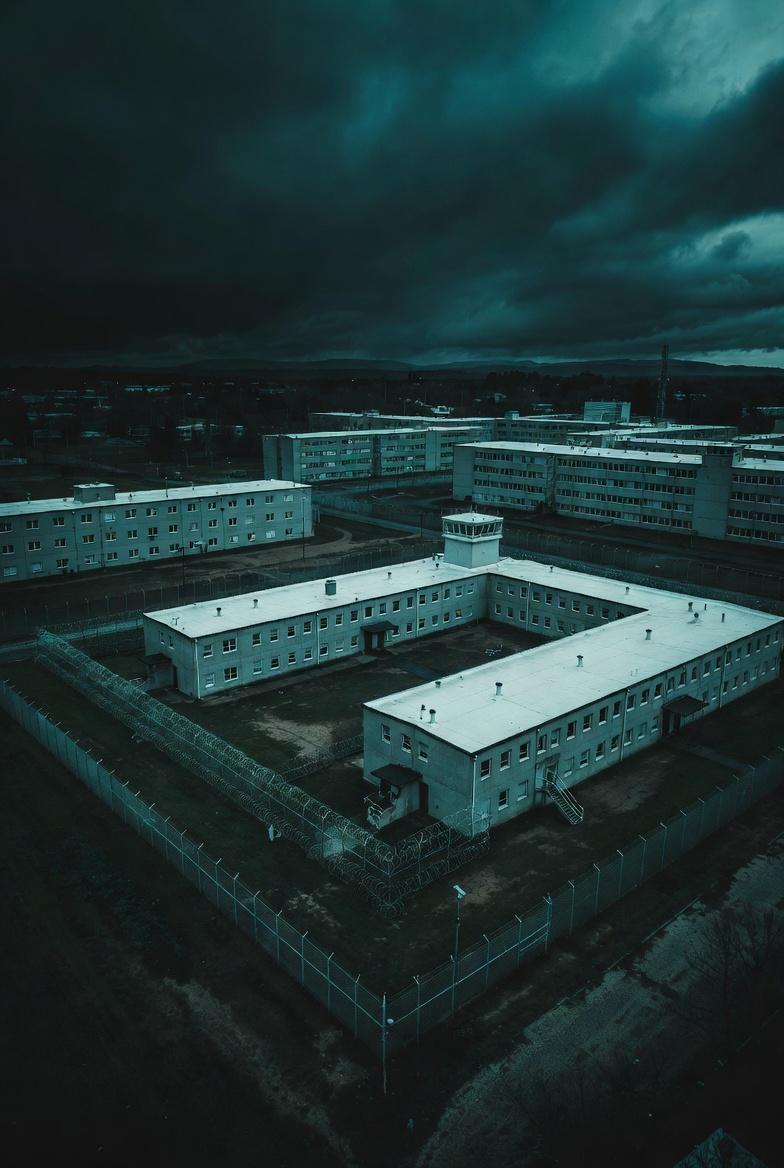
Charles H. Hickey, Jr. School is a medium-security juvenile correctional facility located at 2400 Cub Hill Road in Parkville, Baltimore County, Maryland. Operated by the Maryland Department of Corrections, this facility houses male juvenile offenders who have been committed to the state's custody through the court system. As a specialized institution within Maryland's correctional framework, it focuses on rehabilitating young offenders through structured programming and supervision.
Families seeking information about juveniles housed at Charles H. Hickey, Jr. School can conduct inmate searches through the Maryland Department of Corrections system. The facility provides multiple ways for families to maintain contact, including visitation opportunities, telephone services, and mail correspondence. Understanding the specific rules and procedures for this juvenile facility helps families navigate sending money, scheduling visits, and accessing arrest and commitment records.
Charles H. Hickey, Jr. School stands apart as one of Maryland's dedicated juvenile correctional facilities designed specifically for young male offenders. Unlike adult prisons within the state system, this institution emphasizes age-appropriate rehabilitation and education tailored to adolescent development needs. The facility's approach balances security requirements with therapeutic interventions aimed at redirecting youth away from criminal behavior. Located in the Parkville area of Baltimore County, the school serves as a critical component of Maryland's juvenile justice system, focusing on providing structure, accountability, and opportunities for personal growth during a formative period in these young offenders' lives.
The population at Charles H. Hickey, Jr. School consists exclusively of male juveniles who have been adjudicated delinquent and committed to Maryland Department of Corrections custody. These youth typically range from mid-teens to young adults who have been transferred from the Department of Juvenile Services or directly committed through circuit courts. The facility houses juveniles convicted of various offenses, from serious felonies requiring secure placement to those needing intensive rehabilitation services. Classification at this juvenile facility differs from adult institutions, with assessments focusing on age, maturity level, offense severity, behavioral history, and educational needs. The population includes both youth serving determinate sentences and those in placement pending further court proceedings or transfer to adult facilities upon reaching appropriate age thresholds.
Living conditions at Charles H. Hickey, Jr. School reflect the specialized needs of a juvenile population within a secure correctional environment. Youth residents are housed in dormitory-style units or smaller room configurations designed to provide appropriate supervision while maintaining safety and security. Daily schedules include structured meal times in dining facilities, with nutrition plans appropriate for growing adolescents. The facility provides recreation opportunities including outdoor physical activities and indoor recreational programming suited to younger populations. Medical services address both routine healthcare needs and age-specific health concerns, with on-site or coordinated medical staff available. Mental health services are particularly emphasized given the prevalence of trauma and behavioral health needs among incarcerated juveniles, with counseling and therapeutic interventions integrated into daily operations. The facility maintains a grievance process allowing residents to formally address concerns about conditions, treatment, or rule enforcement through established administrative channels.
Charles H. Hickey, Jr. School offers educational programming as a core component of its juvenile rehabilitation mission, with mandatory school attendance for residents who have not completed their high school education or earned a GED credential. Academic instruction aligns with Maryland educational standards and includes individualized education plans for youth with special learning needs. Vocational training opportunities provide practical skills development in various trades, preparing youth for employment upon release. Substance abuse treatment programs address the significant rates of drug and alcohol involvement among juvenile offenders, offering both group counseling and individualized treatment plans. Religious services and spiritual programming are available for various faith traditions. Re-entry preparation begins early in placement, with case management services coordinating family reunification efforts, community placement planning, and transition support to reduce recidivism.
Work assignments at Charles H. Hickey, Jr. School differ from traditional adult prison industries, focusing instead on age-appropriate responsibilities that teach work ethic and practical skills. Juveniles participate in facility maintenance duties including dining hall operations, cleaning assignments, and grounds keeping under staff supervision. These work details provide structure while teaching responsibility and basic employment skills. Some residents may participate in vocational training programs that combine classroom instruction with hands-on work experience. Unlike adult facilities with extensive prison industries, juvenile institutions emphasize educational and therapeutic programming over production work, though practical work assignments remain part of the overall rehabilitative approach.
Charles H. Hickey, Jr. School was established as part of Maryland's commitment to separate juvenile offenders from adult criminal populations, reflecting evolving understanding of adolescent development and rehabilitation potential. The facility was named in honor of Charles H. Hickey, Jr., who served Maryland's juvenile justice system with distinction. Throughout its operational history, the institution has adapted to changing philosophies in juvenile corrections, moving from purely punitive approaches toward more rehabilitative models emphasizing education, treatment, and family engagement. The facility has undergone various operational changes reflecting shifts in Maryland's juvenile justice policies, including modifications to programming, security protocols, and population management strategies. Today, Charles H. Hickey, Jr. School continues serving as a secure placement option within Maryland's continuum of juvenile correctional services, balancing public safety concerns with rehabilitation goals for young offenders.
Visitation at Charles H. Hickey, Jr. School follows specific protocols designed for juvenile facilities within the Maryland corrections system. Visitors must be on an approved list, which typically includes immediate family members and legal guardians, with the approval process requiring background checks and verification of relationships. All visitors must present valid government-issued photo identification upon arrival. The facility maintains strict dress code requirements prohibiting revealing clothing, gang-related attire, and items that could compromise security. Visitation schedules are established by the facility and may vary based on housing unit assignments and individual resident privileges. Families should contact Charles H. Hickey, Jr. School directly before traveling to confirm current visitation days, hours, and any special procedures or restrictions that may apply to juvenile visits.
Families can contact juveniles at Charles H. Hickey, Jr. School through mail sent to the resident's name and identification number at 2400 Cub Hill Road, Baltimore, MD 21234. All incoming mail undergoes inspection according to facility security protocols, with prohibited items removed. Books and educational materials typically must be sent directly from approved vendors or publishers rather than personal sources. The facility provides telephone services allowing residents to make collect calls or prepaid calls to approved telephone numbers, with families able to establish phone accounts through designated providers. Correspondence rules for juvenile facilities may differ from adult institutions, with greater emphasis on maintaining family connections while ensuring appropriate supervision of communications. Families should verify current mail and communication policies with facility staff.
Sponsored and Powered by our Partner TruthFinder
Quick Facts
Should I Be Concerned? — Family Guide
Charles H. Hickey, Jr. School maintains a medium-security classification with no reported staff assaults on record, suggesting a relatively stable operational environment. While specific occupancy data is unavailable, medium-security facilities typically balance inmate supervision with rehabilitation opportunities. Visitors should expect standard security procedures including identification checks and controlled visitation areas. Contact the facility directly for current visiting schedules and any restrictions before planning your trip.
Neighborhood & Getting There
Located in Parkville, Baltimore County, Maryland, Charles H. Hickey, Jr. School sits in a suburban area approximately 15 miles north of downtown Baltimore. The facility is accessible via MD Route 147 and Interstate 83, with driving time of roughly 20-30 minutes from central Baltimore. The region offers limited immediate lodging, with hotels concentrated along major corridors near the I-83 corridor. Visitors should plan accordingly for Maryland weather and allow extra travel time during rush hours.