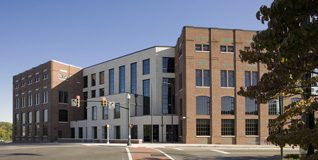
Cabarrus County NC Detention Center
County Jail | Cabarrus County — North Carolina | Cabarrus County North Carolina Sheriff's Office
The Cabarrus County NC Detention Center is a medium security facility located at 40 Corban Avenue Southeast in Concord, North Carolina. Operated under the North Carolina Department of Corrections system and managed by Sheriff Brad Riley, this facility houses both male and female inmates. With a current population of approximately 212 inmates and a total capacity of 480, the detention center serves Cabarrus County by holding pre-trial detainees and sentenced offenders.
Families seeking information about incarcerated loved ones can perform inmate searches through the facility. Services available include visitation scheduling, sending money to inmate accounts, and accessing public arrest records. Understanding the specific procedures at this Concord facility helps families maintain contact and provide support during incarceration.
The Cabarrus County NC Detention Center distinguishes itself within the North Carolina corrections system through its dual-gender housing capability while maintaining medium security classification. Located in Concord, the county seat of one of North Carolina's fastest-growing counties, the facility balances local detention needs with regional correctional demands. Operating at approximately 44% capacity with 212 inmates in a 480-bed facility, it maintains lower population density compared to many North Carolina county jails. This operational capacity allows staff under Sheriff Brad Riley to implement more individualized supervision and programming approaches for both male and female populations housed separately within the complex.
The Cabarrus County NC Detention Center houses a diverse inmate population of 212 individuals across both male and female populations. The facility primarily holds pre-trial detainees awaiting court proceedings in Cabarrus County courts, alongside sentenced offenders serving shorter-term sentences or awaiting transfer to state facilities. Inmates are classified by offense severity, criminal history, and behavioral factors. The population includes individuals charged with or convicted of offenses ranging from misdemeanors to serious felonies including property crimes, drug-related offenses, DWI violations, and violent crimes. Special populations may include inmates with medical needs, mental health conditions requiring monitoring, and those in protective custody. Gender-specific housing units ensure appropriate separation and programming for male and female inmates within the medium security environment.
Inmates at the Cabarrus County NC Detention Center are housed in classification-appropriate units based on gender, security level, and behavioral status. Housing arrangements typically include dormitory-style pods and individual cells depending on classification needs. Inmates receive three meals daily prepared according to nutritional standards and dietary restrictions for medical or religious requirements. Recreation opportunities include scheduled outdoor or indoor exercise periods within designated areas of the facility. Medical services are provided through on-site healthcare staff who address routine and urgent medical needs, with serious cases referred to outside providers. Mental health services include screening, counseling, and crisis intervention for inmates experiencing psychological distress. The facility maintains a formal grievance process allowing inmates to report concerns about conditions, staff conduct, or policy violations through written submissions reviewed by detention administrators. Daily routines include scheduled counts, meal times, recreation periods, and programming activities designed to maintain security while respecting inmate welfare.
The Cabarrus County NC Detention Center offers programming designed for the shorter-term detention population typical of county facilities. Educational opportunities may include GED preparation classes for inmates lacking high school credentials, helping them achieve educational milestones during incarceration. Substance abuse programming addresses the widespread issue of addiction among the jail population through counseling sessions, educational materials, and recovery-focused groups. Religious services and pastoral care are available through volunteer chaplains representing various faith traditions who conduct worship services and provide spiritual counseling. Life skills and re-entry preparation help inmates develop job readiness, financial literacy, and community resource knowledge essential for successful reintegration. Programming availability may vary based on inmate classification, length of stay, and behavioral status. Participation in programs can positively impact inmates' time in custody and prepare them for release or transfer to longer-term facilities.
Work assignments at the Cabarrus County NC Detention Center provide inmates with structured activity while supporting facility operations. Inside job assignments include kitchen duties assisting with meal preparation and service, laundry operations processing institutional clothing and linens, and janitorial tasks maintaining cleanliness throughout housing units and common areas. Trustee positions may be available for eligible inmates demonstrating responsible behavior and lower security risk. These work assignments help inmates develop work habits, structure their time productively, and potentially earn privileges or commissary credits depending on facility policies. Assignment eligibility depends on classification level, behavioral record, and security clearance, with many positions reserved for sentenced inmates rather than pre-trial detainees.
The Cabarrus County NC Detention Center serves a county with deep North Carolina roots, as Cabarrus County was established in 1792 and named after Revolutionary War hero Stephen Cabarrus. While the specific founding date of the current detention facility is not publicly documented, it represents the county's ongoing commitment to modern correctional operations in Concord, the county seat. The facility at 40 Corban Avenue Southeast reflects evolving standards in county detention, housing both male and female populations in a medium security environment. As Cabarrus County experienced significant population growth in recent decades, particularly in the Charlotte metropolitan area, the detention center's 480-bed capacity was designed to meet expanding law enforcement and judicial needs. Today, under Sheriff Brad Riley's leadership, the facility continues its role as the primary detention center for Cabarrus County, serving courts, law enforcement agencies, and the justice system.
Visitation at the Cabarrus County NC Detention Center allows approved family members and friends to maintain contact with inmates. All visitors must present valid government-issued photo identification and may need to complete an approval process before their first visit. Dress code requirements prohibit revealing clothing, gang-related attire, and clothing resembling institutional uniforms to maintain security and decorum. Visitation scheduling, days, and times vary depending on housing unit and inmate status, so families should contact the facility directly before planning a visit. Visitors should expect to pass through security screening including metal detectors and possible searches of personal belongings. Rules regarding contact visits versus video visitation, duration limits, and the number of visitors permitted may apply. Families are strongly encouraged to call ahead to verify current visitation policies, schedules, and any restrictions before traveling to the facility.
Mail sent to inmates at the Cabarrus County NC Detention Center should be addressed with the inmate's full name and booking number, followed by the facility's mailing address: PO Box 790, Concord, NC 28026. All incoming mail is subject to inspection for contraband and prohibited items. Books and publications typically must be shipped directly from approved vendors or publishers rather than sent by individuals. Inmates can make telephone calls using the facility's phone system, which requires friends and family to establish pre-paid accounts with the telephone service provider. Rates and calling procedures should be confirmed with the provider. Some detention facilities offer email or electronic messaging services through third-party vendors, though availability varies and families should verify current options with the facility.
Sponsored and Powered by our Partner TruthFinder
Quick Facts
Should I Be Concerned? — Family Guide
Cabarrus County NC Detention Center operates at medium security with excellent safety metrics: zero reported staff assaults and occupancy at 44% capacity, well below maximum levels. This means reduced tension, better supervision ratios, and lower incident risk compared to overcrowded facilities. Visits are generally safe and orderly. Plan visits during official hours, bring valid ID, and follow posted security screening procedures for the smoothest experience.
Neighborhood & Getting There
Concord, North Carolina's largest city in Cabarrus County, is located 20 miles north of Charlotte in the Piedmont region. The detention center sits on Corban Avenue Southeast in central Concord, with easy I-85 access. Charlotte Douglas International Airport is 30 minutes away. Concord offers budget and mid-range hotels along I-85 corridor, restaurants, and gas stations. The area is suburban with mixed commercial/residential character, typical of North Carolina's central Piedmont communities.