C. A. Dillon Youth Development Center - NC
State Prison | Granville County — North Carolina
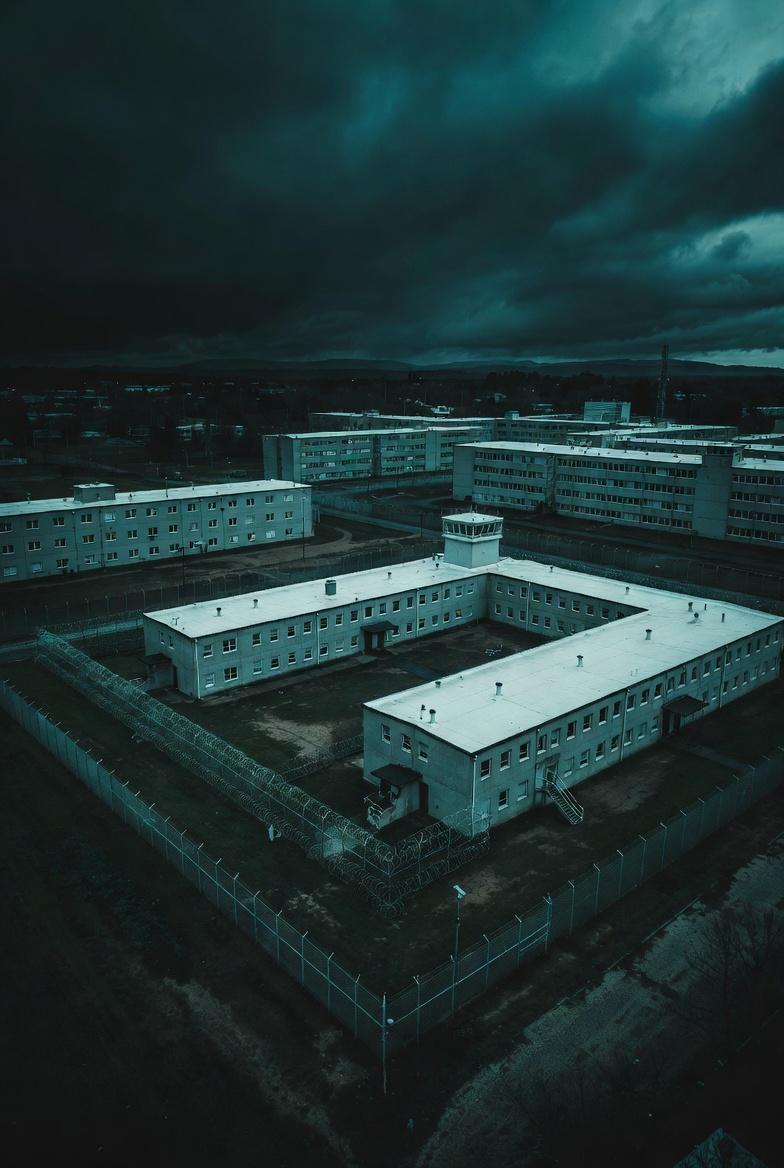
The C. A. Dillon Youth Development Center is a medium-security juvenile correctional facility located in Butner, Granville County, North Carolina. Operated by the North Carolina Department of Public Safety, this facility houses male juvenile offenders committed to state custody. Situated at 100 Dillon Drive in Butner, the center serves as part of North Carolina's juvenile justice system, providing secure detention and rehabilitative services for young offenders.
Families seeking information about youth at C. A. Dillon can conduct inmate searches through the North Carolina Department of Public Safety website. The facility provides services including visitation opportunities, commissary deposits, mail correspondence, and access to educational programs designed to support rehabilitation and successful reintegration into the community.
C. A. Dillon Youth Development Center stands apart within North Carolina's correctional system as a facility specifically dedicated to male juvenile offenders requiring medium-security custody. Unlike adult facilities in the state system, this center focuses exclusively on the unique developmental, educational, and rehabilitative needs of young offenders. The Butner location places the facility within a larger correctional complex area, but C. A. Dillon maintains its distinct mission of youth development and intervention during critical formative years. The center emphasizes structured programming tailored to adolescent cognitive and emotional development, recognizing that juvenile offenders require different approaches than adult inmates for successful rehabilitation.
The C. A. Dillon Youth Development Center houses male juvenile offenders committed to North Carolina state custody through the juvenile court system. The population consists of adjudicated youth who have been found responsible for various offenses ranging from property crimes and drug violations to more serious violent offenses. As a medium-security facility, it typically houses youth who require more structured supervision than minimum-security placements but do not present the highest security risks. The population includes both short-term and longer-term commitments depending on individual case adjudications and rehabilitation progress. Youth at C. A. Dillon have been sentenced by the courts and are serving commitment periods as determined by judicial orders.
Youth at C. A. Dillon Youth Development Center are housed in dormitory or pod-style units designed for juvenile populations, with housing arrangements that allow for appropriate supervision and structured daily routines. Residents receive three meals daily prepared according to nutritional standards for adolescents. The facility provides recreation opportunities including outdoor exercise and indoor activities appropriate for youth development. Medical services address basic healthcare needs, routine examinations, and chronic condition management, while mental health services recognize the developmental and behavioral health needs common among juvenile offenders. Educational services are provided as required by law for school-age youth. The facility maintains disciplinary procedures and a grievance process adapted for the juvenile population, allowing youth to address concerns through administrative channels while learning conflict resolution and advocacy skills in an age-appropriate structured environment.
C. A. Dillon Youth Development Center offers educational programming essential for juvenile offenders, including academic instruction aligned with North Carolina educational standards and GED preparation for eligible youth. Vocational training opportunities introduce residents to career skills and work readiness concepts appropriate for their age and development level. Substance abuse programming addresses chemical dependency issues prevalent among many juvenile offenders, using evidence-based approaches designed for adolescent populations. Religious services and faith-based programming are available for youth seeking spiritual guidance. Re-entry preparation focuses on transitional planning, family reunification support, and community reintegration skills to help youth successfully return to their communities with reduced recidivism risk.
Youth at C. A. Dillon Youth Development Center participate in work assignments designed to teach responsibility, work ethics, and practical skills. Inside facility assignments include food service, janitorial duties, laundry operations, and general facility maintenance. These work opportunities provide structure to the daily routine while developing employability skills. Some youth may participate in grounds maintenance and other supervised work details appropriate for their age and security classification. Work assignments at juvenile facilities emphasize skill development and responsibility rather than industrial production, focusing on preparing youth for successful employment after release.
The C. A. Dillon Youth Development Center was established as part of North Carolina's commitment to providing specialized correctional facilities for juvenile offenders separate from the adult system. Named for C. A. Dillon, the facility was developed in Butner, an area of Granville County that has hosted various state correctional and institutional facilities. The center has served generations of North Carolina youth requiring medium-security custody and intensive rehabilitation services. Over the years, juvenile justice philosophy has evolved from purely punitive approaches toward developmental and rehabilitative models, and C. A. Dillon has adapted its operations to reflect evidence-based practices in youth corrections. Today, the facility continues its mission of providing secure custody while emphasizing education, treatment, and successful community reintegration for male juvenile offenders.
Visitation at C. A. Dillon Youth Development Center provides crucial family contact opportunities for incarcerated youth. Visitors must bring valid government-issued photo identification and typically must be approved through a background check process before visiting. Dress code requirements prohibit clothing that resembles institutional attire, reveals excessive skin, or contains offensive graphics. Minors visiting must be accompanied by approved adults. Visitation scheduling procedures and specific visiting days and hours vary, so families should contact the facility directly before planning their first visit to confirm current policies, complete visitor applications, and understand what items can be brought into the visiting area.
Families can send mail to youth at C. A. Dillon Youth Development Center by addressing envelopes with the youth's full legal name, identification number, and the facility address at 100 Dillon Drive, Butner, NC 27509. All incoming mail is inspected according to facility security procedures. Books and publications typically must be sent directly from approved vendors or publishers. Youth may have access to telephone privileges allowing them to maintain family contact through prepaid phone accounts established by families. Families should contact the facility to learn about specific mail policies, approved vendors, and available communication options including any electronic messaging systems that may be in use.
Sponsored and Powered by our Partner TruthFinder
Quick Facts
Should I Be Concerned? — Family Guide
C. A. Dillon Youth Development Center maintains a medium security classification with zero reported staff assaults, indicating a generally stable facility environment. As a youth development center, the facility emphasizes rehabilitation and education rather than pure custody. Families should expect standard security procedures during visits, including identification requirements and possible screening. Call ahead to confirm visiting policies and any facility-specific restrictions before traveling.
Neighborhood & Getting There
Located in Butner, Granville County in the Piedmont region of North Carolina, C. A. Dillon Youth Development Center sits approximately 25 miles northeast of Raleigh. The area is rural with limited commercial development, primarily serving as a state facility hub. Nearest major city is Raleigh, approximately 30-40 minutes south via US-1. Basic amenities exist in Butner, though visitors may prefer hotels and dining options in nearby Oxford or Durham for extended stays.