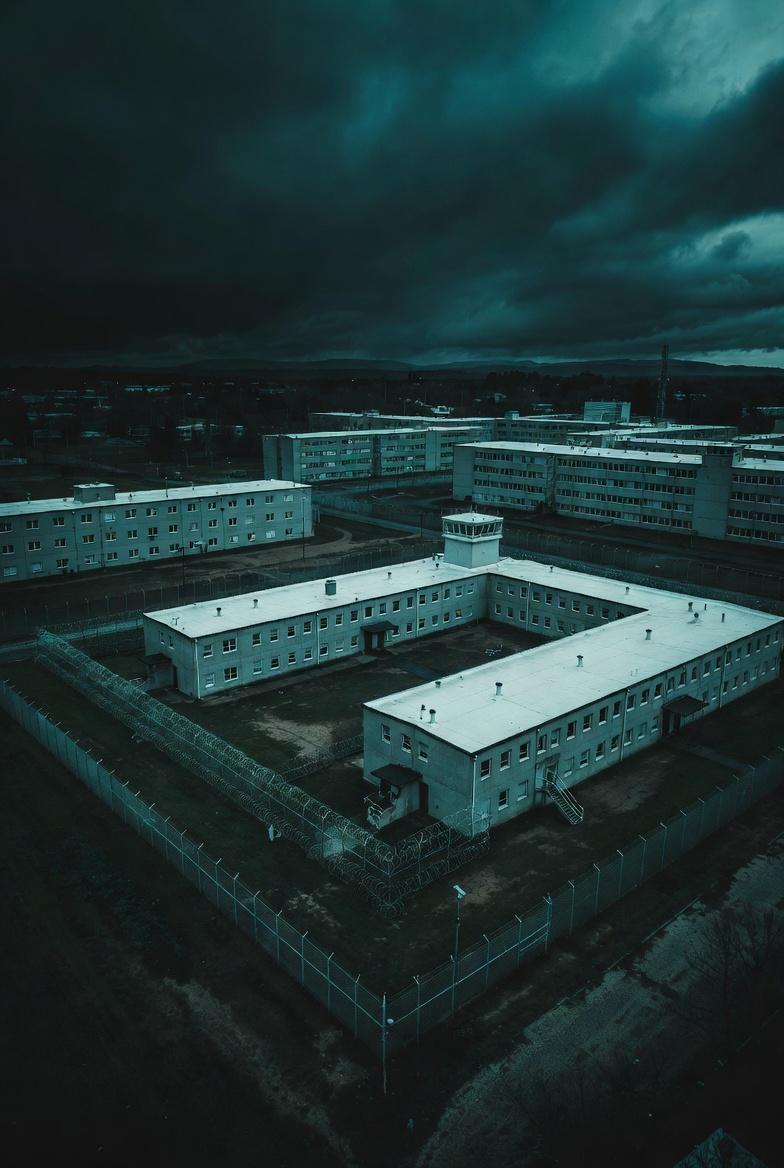
The Butte Pre-Release & Women's Transition Center operates as a medium-security facility under the Montana Department of Corrections at 62 West Broadway in Butte, Silver Bow County. Located in the heart of Montana's historic mining city, this facility serves as a transitional hub for inmates preparing for community reintegration. Despite its name referencing women's services, the facility currently houses male inmates in a medium-security setting designed to provide programming and structure during the pre-release phase of incarceration.
Families seeking information about inmates at this Butte facility can search for arrest records and inmate details through the Montana Department of Corrections database. The facility provides options for families to maintain contact through visits, phone calls, and mail correspondence. Understanding the facility's procedures for sending money and scheduling visits helps families stay connected with their incarcerated loved ones during this critical transition period.
The Butte Pre-Release & Women's Transition Center occupies a unique position within Montana's correctional system as a facility specifically designed for inmates approaching release. Its downtown Butte location on West Broadway places it within the community rather than in a remote area, facilitating the transition process through proximity to employment opportunities, community resources, and support services. The facility's name reflects its dual historical purpose, though current operations focus on pre-release programming that prepares inmates for successful reentry into society. This community-based approach allows inmates to maintain stronger family connections and begin rebuilding community ties before their release date, distinguishing it from traditional correctional facilities that operate in isolation from population centers.
The Butte Pre-Release & Women's Transition Center houses inmates who have progressed through Montana's correctional system and are approaching their release dates. The population consists primarily of sentenced offenders who have demonstrated appropriate behavior and readiness for community reintegration. Inmates at this facility typically include those convicted of non-violent offenses and lower-level felonies who meet eligibility criteria for pre-release placement. The classification system ensures that individuals housed here present minimal security risks and can benefit from community-based programming. Because this is a pre-release facility, the population tends to include inmates who are within months of completing their sentences and are focused on developing employment skills, securing housing, and reconnecting with family support systems in preparation for their return to Montana communities.
Inmates at the Butte Pre-Release & Women's Transition Center experience living conditions designed to bridge institutional life and community reintegration. Housing arrangements typically include dormitory-style or semi-private rooms rather than traditional cells, reflecting the facility's transitional mission. Inmates receive three daily meals prepared according to nutritional standards and accommodating medical dietary needs. The downtown Butte location allows for structured community activities and work opportunities that are central to the pre-release model. Medical services address routine healthcare needs, with more serious conditions referred to community providers or other correctional medical facilities. Mental health support helps inmates address underlying issues and prepare psychologically for release. Recreation opportunities may be more limited than larger institutions due to the facility's urban setting, but programming emphasizes practical life skills over traditional yard time. The grievance process follows Montana Department of Corrections procedures, allowing inmates to formally address concerns about conditions, treatment, or policy applications through written documentation reviewed by facility administrators and, if necessary, state-level officials.
Programming at the Butte Pre-Release & Women's Transition Center focuses intensively on successful community reentry. Educational opportunities help inmates without high school diplomas work toward GED completion, providing essential credentials for post-release employment. Vocational training emphasizes practical skills aligned with Montana's job market, particularly in industries with workforce demand in the Butte region. Substance abuse treatment represents a critical component, as many inmates face addiction issues that contributed to their incarceration. Cognitive-behavioral programs address decision-making patterns and help participants develop strategies for avoiding criminal behavior. Religious services and faith-based programming provide spiritual support and connect inmates with community congregations. The facility's signature offerings are comprehensive re-entry programs covering employment readiness, housing searches, budget management, family reunification, and community resource navigation. These programs often involve community partnerships that continue supporting individuals after release, creating a continuum of care designed to reduce recidivism.
Work assignments at the Butte Pre-Release & Women's Transition Center emphasize both facility operations and community-based employment opportunities. Inside the facility, inmates maintain institutional cleanliness, prepare meals, handle laundry services, and perform basic maintenance tasks. These assignments teach work discipline and responsibility while keeping the facility functioning efficiently. The pre-release model particularly emphasizes outside work opportunities, allowing eligible inmates to secure employment with local Butte employers while still in custody. These community work placements provide real-world job experience, income for restitution and family support, and connections that often continue after release. Inmates may work in construction, hospitality, warehousing, or other industries willing to employ transitioning individuals under correctional supervision.
The Butte Pre-Release & Women's Transition Center emerged from Montana's recognition that successful reentry requires intentional transition programming rather than direct release from traditional prison environments. The facility's location in downtown Butte at 62 West Broadway reflects a deliberate choice to situate pre-release services within a community setting where inmates could access employment, services, and support systems. Butte's selection as a site for this facility acknowledges the city's history as a major Montana population center with diverse economic opportunities despite the decline of its once-dominant mining industry. The facility's name indicates it has served both male and female populations at different points, reflecting Montana's efforts to provide appropriate transitional services across its correctional system. While specific founding dates and construction details are not widely documented, the center operates as part of Montana's broader correctional strategy emphasizing evidence-based practices, community corrections, and reducing recidivism through structured reentry support rather than abrupt release from secure custody.
Visitation at the Butte Pre-Release & Women's Transition Center helps inmates maintain family connections during their final months of incarceration. All visitors must present valid government-issued photo identification such as a driver's license, state ID, or passport. Visitors should dress modestly and appropriately, avoiding clothing that resembles institutional uniforms or contains offensive graphics. The visitor approval process requires background screening, and individuals with certain criminal histories may be restricted. Due to the facility's pre-release nature, visitation procedures may differ from traditional correctional institutions, potentially offering more flexible scheduling or extended contact visits. Families should contact the facility directly before traveling to Butte to confirm current visitation hours, understand specific rules, complete any required pre-approval processes, and verify their loved one's eligibility for visits, as programming schedules or community work assignments may affect availability.
Families can mail letters to inmates at the Butte Pre-Release & Women's Transition Center by addressing correspondence with the inmate's full legal name and identification number, followed by the facility address: 62 West Broadway Butte, MT 59701. All incoming mail undergoes inspection for prohibited items and contraband. Books, magazines, and publications typically must come directly from approved vendors or publishers rather than personal senders. Inmates can make outgoing phone calls to approved numbers through the facility's phone system, which requires families to establish prepaid accounts with the contracted phone service provider. Due to the facility's transitional nature, communication policies may be less restrictive than higher-security institutions. Families should verify whether email or electronic messaging services are available, as some Montana facilities offer electronic communication options for approved contacts.
Sponsored and Powered by our Partner TruthFinder
Quick Facts
Should I Be Concerned? — Family Guide
Butte Pre-Release & Women's Transition Center operates at medium security with zero reported staff assaults, indicating a relatively stable facility environment. The center's focus on pre-release and transition programming creates a purposeful community-oriented atmosphere. When visiting, expect standard security procedures including identification verification and pat-downs; call ahead to confirm visiting hours and any facility-specific restrictions before traveling.
Neighborhood & Getting There
Located in downtown Butte, Montana, at 62 West Broadway, the facility sits in Butte-Silver Bow County in southwestern Montana. Butte is approximately 90 miles south of Helena and 250 miles north of Salt Lake City. The area offers basic hotel accommodations along Interstate 90 corridor access. Butte is served by regional highways and is approximately 3-4 hours from major Montana cities, with modest commercial services typical of a historic mining town now transitioning to regional center status.