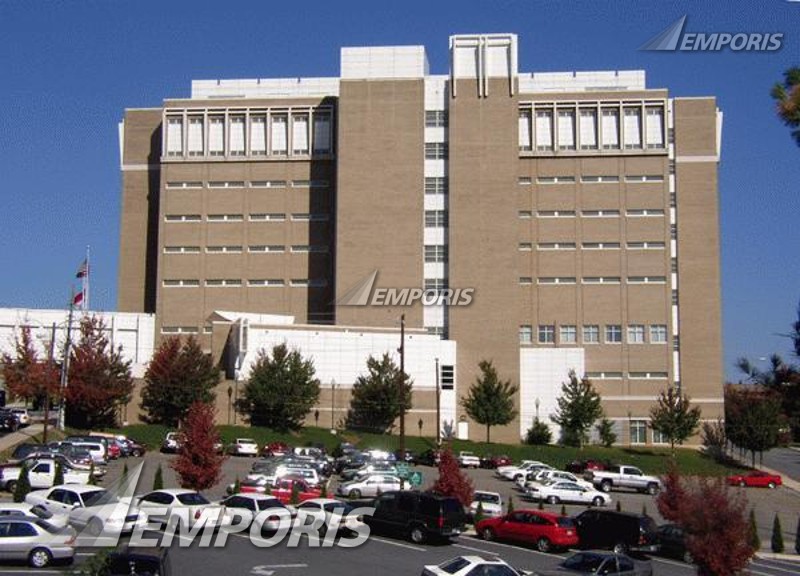
Buncombe County Jail
County Jail | Buncombe County — North Carolina | Buncombe County Sheriff's Office
Buncombe County Jail operates as a medium-security detention facility located at 20 Davidson Street in Asheville, North Carolina. Under the supervision of the North Carolina Department of Corrections and managed by Captain Scott Allen, the facility houses male inmates with a current population of 559 and a total capacity of 672. Constructed in 1994, this Buncombe County detention center serves as the primary holding facility for arrested individuals awaiting trial and those serving shorter sentences in western North Carolina.
Families seeking information about incarcerated loved ones can conduct inmate searches through official county channels, locate arrest records, send money for commissary accounts, and schedule visitation. Understanding the facility's procedures helps families maintain vital connections with inmates detained at this Asheville location.
Buncombe County Jail serves as the primary detention facility for the Asheville metropolitan area and surrounding western North Carolina mountain communities. Its location on Davidson Street places it in the heart of Asheville's government district, adjacent to the Buncombe County Courthouse, facilitating efficient court transport and legal proceedings. The facility's 1994 construction reflected modern detention standards for that era, incorporating medium-security infrastructure designed specifically for county-level detention rather than long-term incarceration. This strategic positioning makes it a central hub for processing arrests throughout the region's tourist-heavy areas and mountain communities.
The facility houses 559 male inmates within its 672-bed capacity, primarily consisting of pre-trial detainees awaiting court proceedings in Buncombe County courts. The population includes individuals arrested on charges ranging from misdemeanors to serious felonies, with a significant portion facing drug-related offenses, property crimes, and domestic violence charges. Sentenced inmates typically serve county-level sentences of less than one year. The classification system separates inmates by security risk, criminal history, and charge severity. Special management populations include individuals requiring protective custody, those with disciplinary issues, and inmates with pending federal charges. The facility also temporarily houses parole violators awaiting transfer to state facilities and individuals held on out-of-county warrants.
Buncombe County Jail utilizes direct supervision housing units where inmates reside in pod-style dormitories with cells arranged around common dayroom areas. Housing assignments depend on classification level, with separate units for general population, maximum security, and special management inmates. Inmates receive three meals daily prepared in the facility kitchen, with menus meeting state nutritional standards. Recreation opportunities include scheduled dayroom time and limited outdoor recreation periods depending on housing assignment and behavior classification. Medical services are provided through contracted healthcare staff who conduct sick call, manage chronic conditions, and respond to emergencies. Mental health professionals assess inmates and provide counseling services for those with psychological needs. The facility operates a formal grievance process allowing inmates to file complaints about conditions, staff conduct, or policy violations through written documentation reviewed by supervisory staff.
Buncombe County Jail offers educational programming including GED preparation classes for inmates lacking high school diplomas, with volunteer tutors and donated materials supporting adult education efforts. Substance abuse programs address the significant addiction issues among the inmate population through Alcoholics Anonymous and Narcotics Anonymous meetings held weekly. Religious services accommodate multiple faiths with volunteer chaplains conducting worship services, Bible studies, and spiritual counseling. Re-entry planning assistance helps soon-to-be-released inmates connect with community resources, housing assistance, and employment services. The facility coordinates with local nonprofits to provide life skills classes covering topics like budgeting, job interviewing, and anger management. However, vocational training opportunities remain limited compared to state prisons due to the facility's shorter-term detention focus.
Work assignments at Buncombe County Jail focus primarily on facility maintenance and operations rather than external industries. Eligible inmates work as trusties performing janitorial duties, laundry operations, kitchen preparation and cleanup, and general facility maintenance tasks. These assignments provide inmates with structured daily activity and sometimes modest compensation or sentence credit. Selected low-risk inmates may qualify for outside work details assisting with county government property maintenance, though security concerns limit such programs. The facility does not operate traditional prison industries or manufacturing programs typical of state correctional institutions, reflecting its role as a county detention center rather than a long-term incarceration facility.
Buncombe County Jail was constructed and opened in 1994 to replace the county's outdated detention facilities that no longer met modern incarceration standards or capacity needs. The facility was built during a period of expanded criminal justice infrastructure throughout North Carolina as counties modernized their detention systems. Located on Davidson Street adjacent to government offices and the courthouse, the jail was designed to streamline the judicial process in Buncombe County. Over nearly three decades of operation, the facility has managed the challenges of increasing inmate populations, evolving detention standards, and changing community needs in the rapidly growing Asheville area. Under Captain Scott Allen's current leadership, the jail continues serving as Buncombe County's primary detention facility, balancing security requirements with constitutional obligations to provide humane conditions for pre-trial detainees and sentenced inmates.
Visitation at Buncombe County Jail requires advance approval through a visitor application process where potential visitors submit background information for screening. All visitors must present valid government-issued photo identification upon arrival and comply with the facility's dress code prohibiting revealing clothing, gang colors, and clothing resembling inmate uniforms. Visitation typically occurs through video terminals rather than in-person contact visits, with scheduled time slots assigned based on housing unit. Visitors should expect security screening including metal detectors and possible searches. The facility maintains specific rules regarding children's visits requiring supervision by legal guardians. Visitation schedules vary by classification level and disciplinary status. Families should contact the jail directly before traveling to confirm current visitation policies, approved times, and any restrictions affecting their incarcerated loved one.
To send mail to inmates at Buncombe County Jail, address correspondence with the inmate's full name and booking number to 20 Davidson Street, Asheville, NC 28801. All incoming mail undergoes inspection for contraband and prohibited items before delivery to inmates. Books and magazines must come directly from approved vendors or publishers rather than personal senders. Inmates can make collect phone calls or utilize prepaid phone account systems, with families establishing accounts through the facility's contracted phone service provider. The facility may offer electronic messaging services allowing families to send messages to inmates through approved vendors, though policies change periodically. All communication methods are monitored for security purposes, and families should avoid discussing illegal activities or pending legal matters in correspondence.
Sponsored and Powered by our Partner TruthFinder
Quick Facts
Should I Be Concerned? — Family Guide
Buncombe County Jail operates at medium security with a healthy 83% occupancy rate and zero staff assaults on record, indicating a stable, well-managed facility. The balance between population and capacity helps maintain orderly operations and safer conditions for both inmates and staff. When visiting, expect standard security procedures including ID checks, bag searches, and electronic surveillance throughout the facility.
Neighborhood & Getting There
Buncombe County Jail is located in downtown Asheville, North Carolina's vibrant Blue Ridge Mountain region, approximately 120 miles west of Charlotte and 40 miles east of the Tennessee border. The facility sits on Davidson Street with convenient access to I-240 and US-19. Asheville offers numerous hotels, restaurants, and services within 2-5 minutes of the jail. The area is known for arts, culture, and outdoor recreation, making it accessible for visiting families traveling from across western North Carolina and surrounding states.