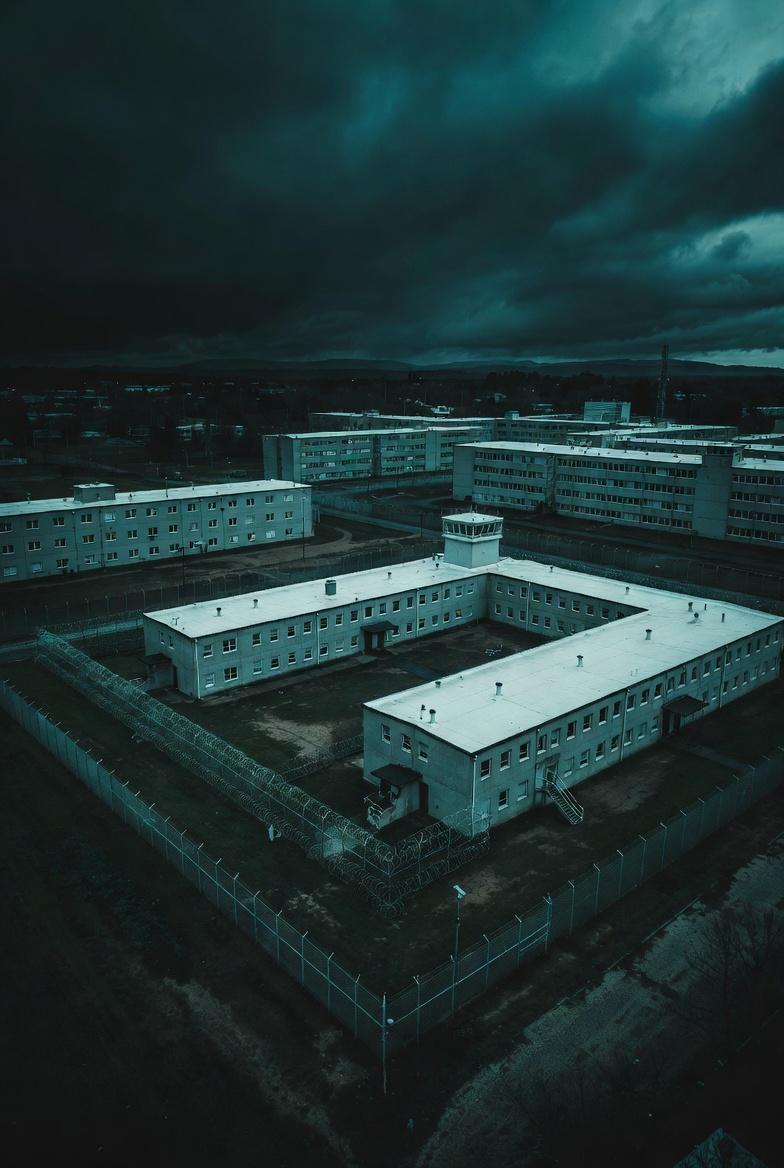
Brule County Jail is a medium security detention facility located at 201 West Kellam Avenue in Chamberlain, South Dakota. The facility operates under the jurisdiction of Brule County and works in coordination with the South Dakota Department of Corrections. Situated in central South Dakota along the Missouri River, the jail primarily houses male inmates awaiting trial or serving shorter sentences for county-level offenses.
Families seeking information about inmates at Brule County Jail can conduct inmate searches, obtain arrest records, and learn about visitation procedures through the Brule County Sheriff's Office. The facility provides options for sending money to inmates, scheduling visits, and maintaining contact through mail and telephone communication systems approved by jail administration.
Brule County Jail serves one of South Dakota's smallest counties by population, providing detention services for a predominantly rural area along the Missouri River. The facility's location in Chamberlain places it at the geographic center of South Dakota, serving as a regional hub for law enforcement in the central prairie region. Unlike larger urban jails in Sioux Falls or Rapid City, Brule County Jail typically maintains a smaller inmate population reflecting the county's rural character, with most detainees coming from Chamberlain and surrounding communities. The jail coordinates closely with the Brule County Sheriff's Office and local courts to manage pretrial detention and short-term incarceration for county-level offenses.
Brule County Jail Data & Statistics:
| Avg. Daily Population | 10 |
| Total Confined | 7 |
| Full-Time Employees | 5 |
*Statistical data from census.gov
Brule County Jail primarily houses adult male inmates charged with or convicted of misdemeanors and felonies under county and state jurisdiction. The population consists mainly of pretrial detainees awaiting court proceedings in the Brule County Court system, along with sentenced inmates serving county jail time typically under one year. Common offenses include driving under the influence, domestic assault, theft, drug possession, and probation violations. The facility occasionally houses inmates from neighboring counties through cooperative agreements when their facilities reach capacity. As a county jail in a rural area, the population fluctuates based on local law enforcement activity and court schedules. The jail does not typically house specialized populations such as juveniles, who are transferred to appropriate youth facilities when necessary.
Brule County Jail houses inmates in secure cell blocks with individual or shared cells depending on classification and available space. Inmates receive three meals daily prepared according to nutritional standards and accommodating medical dietary restrictions when medically documented. The facility provides basic medical care through contracted healthcare providers who conduct intake screenings and address routine medical needs, with emergencies transferred to local medical facilities in Chamberlain. Mental health services are available through regional providers who assess inmates and coordinate treatment when needed. Recreation opportunities are provided through scheduled outdoor or indoor recreation periods, though specific amenities vary based on facility resources and security considerations. Inmates have access to a grievance process to address concerns about conditions, treatment, or facility operations through written submissions reviewed by jail administration. Personal hygiene items are provided, and inmates may purchase additional commissary items if funds are available in their accounts. The facility maintains security protocols consistent with medium security classification standards.
As a county jail with a primarily short-term population, Brule County Jail offers limited programming compared to state prisons. Educational opportunities may include access to GED preparation materials for eligible inmates serving longer sentences, though formal classroom instruction depends on available resources and volunteer educators. Religious services and pastoral visits are facilitated through local clergy and faith-based volunteers from the Chamberlain community. Substance abuse education materials and occasional counseling sessions may be available, recognizing that chemical dependency issues affect many inmates in the criminal justice system. The jail coordinates with community organizations to provide re-entry information for inmates preparing for release, including referrals to employment assistance, housing resources, and treatment programs. Work assignments within the facility help inmates maintain daily structure and may reduce disciplinary issues during incarceration.
Brule County Jail operates work assignments focused on facility maintenance and operations rather than commercial production. Eligible inmates may be assigned to kitchen duties assisting with meal preparation and cleanup under staff supervision. Janitorial assignments include cleaning common areas, cell blocks, and facility grounds to maintain sanitary conditions. Laundry duties involve washing and distributing bedding, towels, and jail-issued clothing for the inmate population. Trusty inmates demonstrating good behavior may receive outside work assignments such as grounds maintenance or assistance with county facility projects under direct supervision. These work opportunities provide structure, reduce idleness, and may offer modest commissary credits depending on facility policies established by jail administration.
Brule County was established in 1875, with Chamberlain designated as the county seat in 1880. The county has maintained detention facilities for over a century, with the jail evolving from early frontier lockups to modern correctional standards. The current facility at 201 West Kellam Avenue serves alongside the Brule County Courthouse and Sheriff's Office in the county's justice complex. Like many rural South Dakota counties, Brule County has faced challenges balancing adequate detention capacity with limited tax revenues from a small population base. The facility has undergone updates over the decades to meet state detention standards and accommodate changes in criminal justice practices. Today, Brule County Jail continues its role as the primary pretrial detention and short-term incarceration facility for central South Dakota's rural communities along the Missouri River corridor.
Visitation at Brule County Jail is typically scheduled through the Brule County Sheriff's Office, with specific days and times established by jail administration. All visitors must be approved in advance and present valid government-issued photo identification upon arrival. Dress code requirements prohibit revealing clothing, clothing resembling inmate attire, and items that could pose security concerns. Visitors should expect to pass through security screening, and personal belongings may be restricted or stored during visits. Minors must be accompanied by a parent or legal guardian, and visitors may be required to complete background checks before approval. Contact visits or video visitation options depend on facility capabilities and inmate classification. Families should call the facility ahead of time to confirm current visitation schedules, procedures, and any restrictions that may affect their ability to visit.
Mail sent to inmates at Brule County Jail should be addressed with the inmate's full name, followed by Brule County Jail, 201 West Kellam Avenue, Chamberlain, SD 57325. All incoming mail is inspected for contraband and must comply with facility mail policies regarding acceptable content and packaging. Books and magazines typically must be sent directly from approved vendors or publishers rather than personal senders. Inmates can make outgoing telephone calls through the jail's phone system, which requires recipients to establish prepaid accounts or accept collect calls according to the contracted phone service provider. Families should check with jail staff about available communication methods, including any email or electronic messaging systems that may be implemented through approved vendors.
Sponsored and Powered by our Partner TruthFinder
Quick Facts
Should I Be Concerned? — Family Guide
Brule County Jail operates as a medium security facility with an excellent safety record of zero staff assaults. This indicates a well-managed environment with effective security protocols and staff training. Visitors should expect standard security screening procedures typical of South Dakota county jails. Plan to arrive during official visiting hours and bring valid identification for a smooth visit.
Neighborhood & Getting There
Chamberlain is located in central South Dakota along Interstate 90, approximately 140 miles west of Sioux Falls and 240 miles east of Rapid City. The town serves as the Brule County seat in the Missouri River region. Hotels and basic amenities are available nearby, with I-90 access making it accessible for family visits from surrounding communities. The area features rural prairie landscape with moderate driving distances from regional centers.